
Looking to modernize your Hospital, Lab or Clinic?
Hospi is trusted across 25 Indian states for billing, EMR, lab reports, automations & more.
Singapore is widely recognised as a leading healthcare destination globally — offering world-class care, advanced technologies and international accreditations. In this blog post, we present an in-depth guide to the top 20 hospitals in Singapore, covering both public (government) and private facilities. Whether you’re a resident, expat or medical traveller, you’ll find detailed insights, so you can make informed decisions when seeking hospital care.
Alongside the hospital list, you’ll also find 50 detailed FAQs (with thorough answers) to address all your common questions — from admissions and costs to insurance, international patient services and more.
Why Singapore for Healthcare?
Before diving into the list, it’s worth understanding what makes Singapore’s hospitals stand out:
- Singapore’s healthcare infrastructure features both strong public-sector institutions and internationally accredited private hospitals. For example, the Singapore General Hospital (SGH) has been ranked among the world’s best hospitals. (HealthXchange)
- The country is a medical-tourism hub for the Asia-Pacific region. Private hospitals like Gleneagles Hospital and Mount Elizabeth Hospital are particularly popular with international patients. (Pacific Prime)
- Integration between tertiary care (complex cases) and specialist centres means patients can access advanced diagnostics, treatment and follow-up services in one ecosystem.
- Geographical convenience, English‐speaking clinicians, and strong regulatory oversight make Singapore an attractive choice.
Top 20 Hospitals (in no particular strict order)
Here’s a curated list of 20 top hospitals in Singapore, including key features, what they are known for and why you might choose them.
- Singapore General Hospital (SGH)
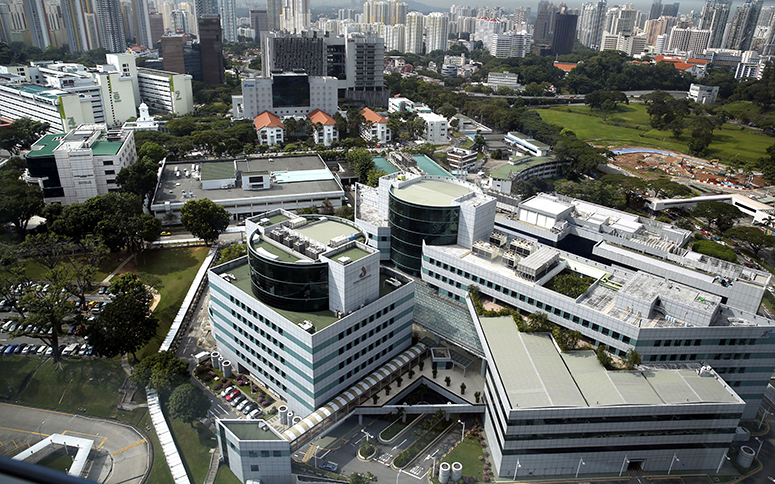


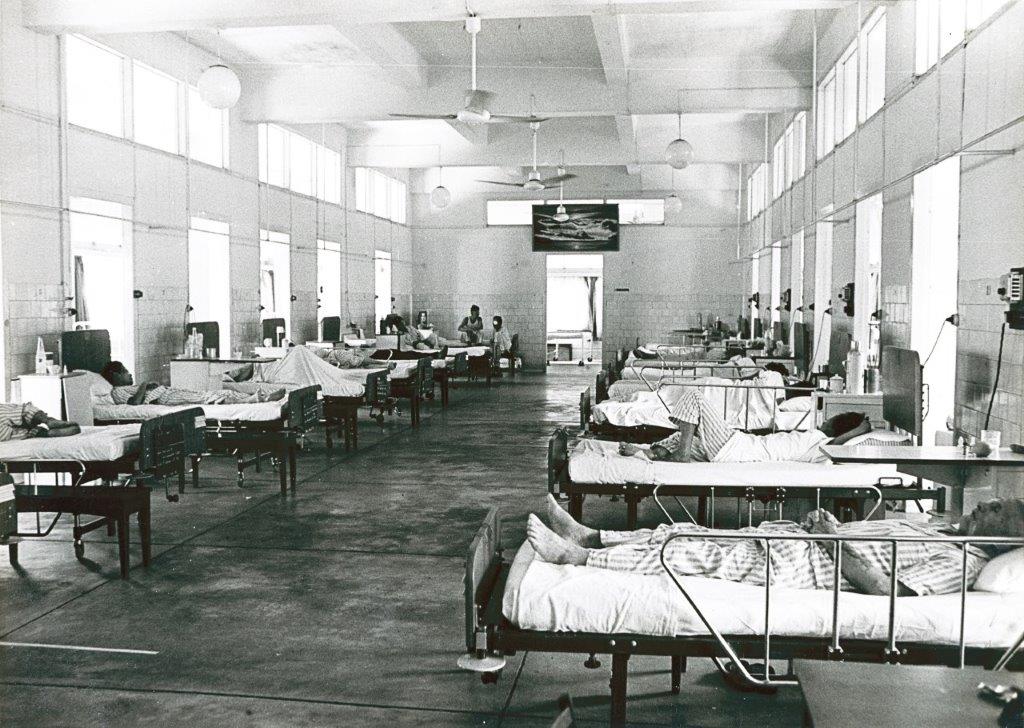
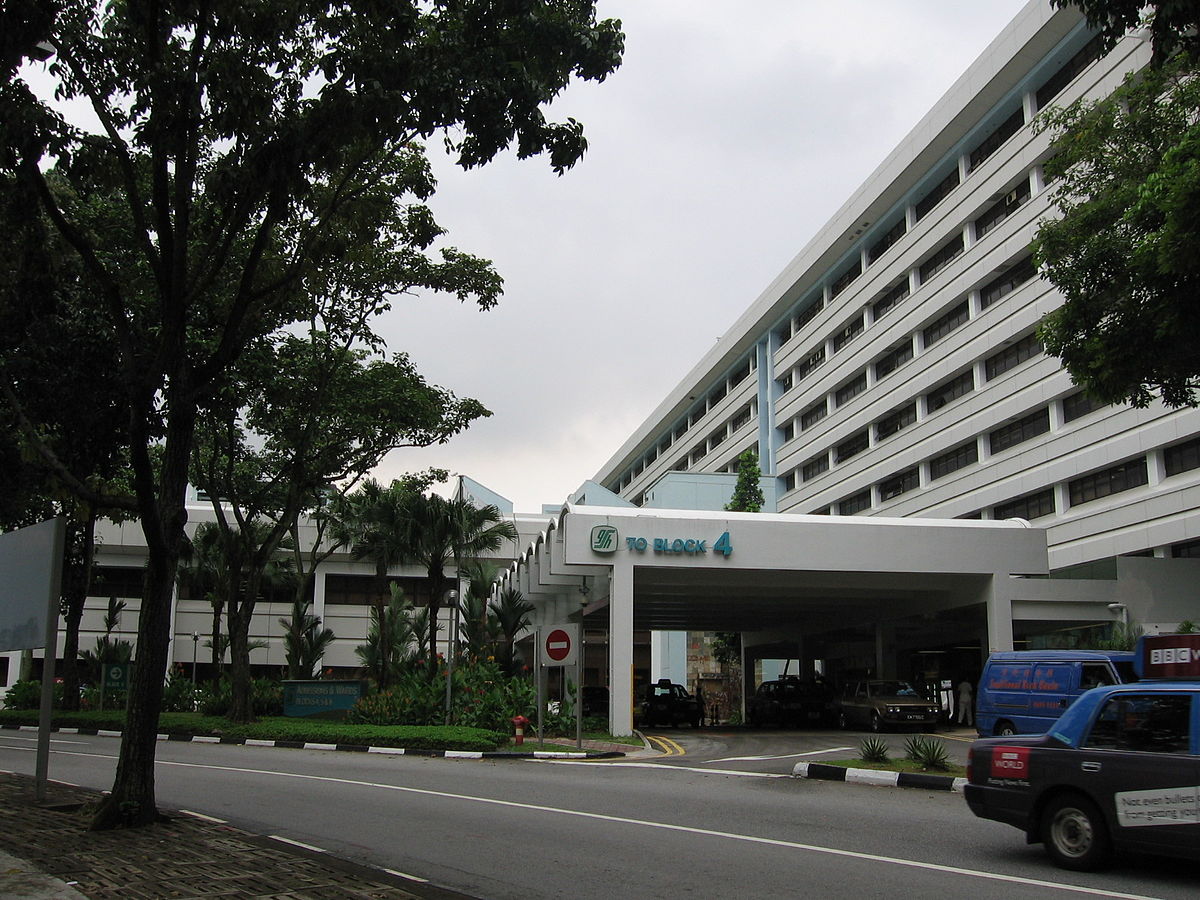

- Location: Outram Road, Singapore. (pacificprime.sg)
- Singapore’s oldest and largest public hospital, and one of the most highly ranked worldwide. (HealthXchange)
- Strong in tertiary care: cardiology, oncology, neurosurgery, transplantation. (myhospitalnow.com)
- Ideal for complex, multi-disciplinary cases, referrals from overseas and high-end medical research & teaching.
- Because of volume and public status, waiting times may be longer than some private hospitals.
- National University Hospital (NUH)


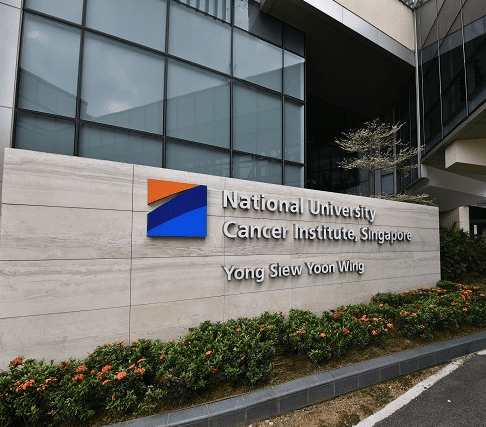
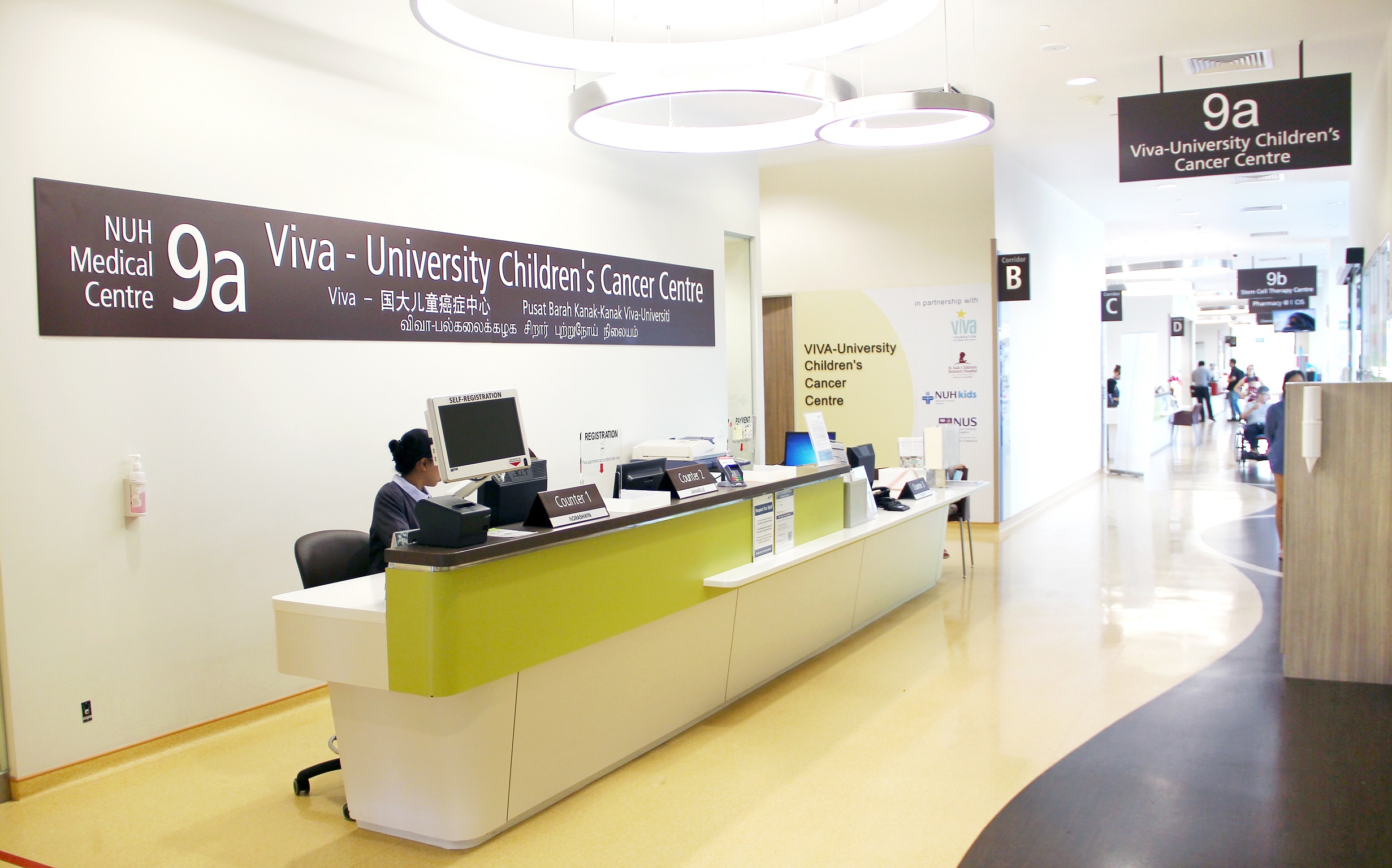
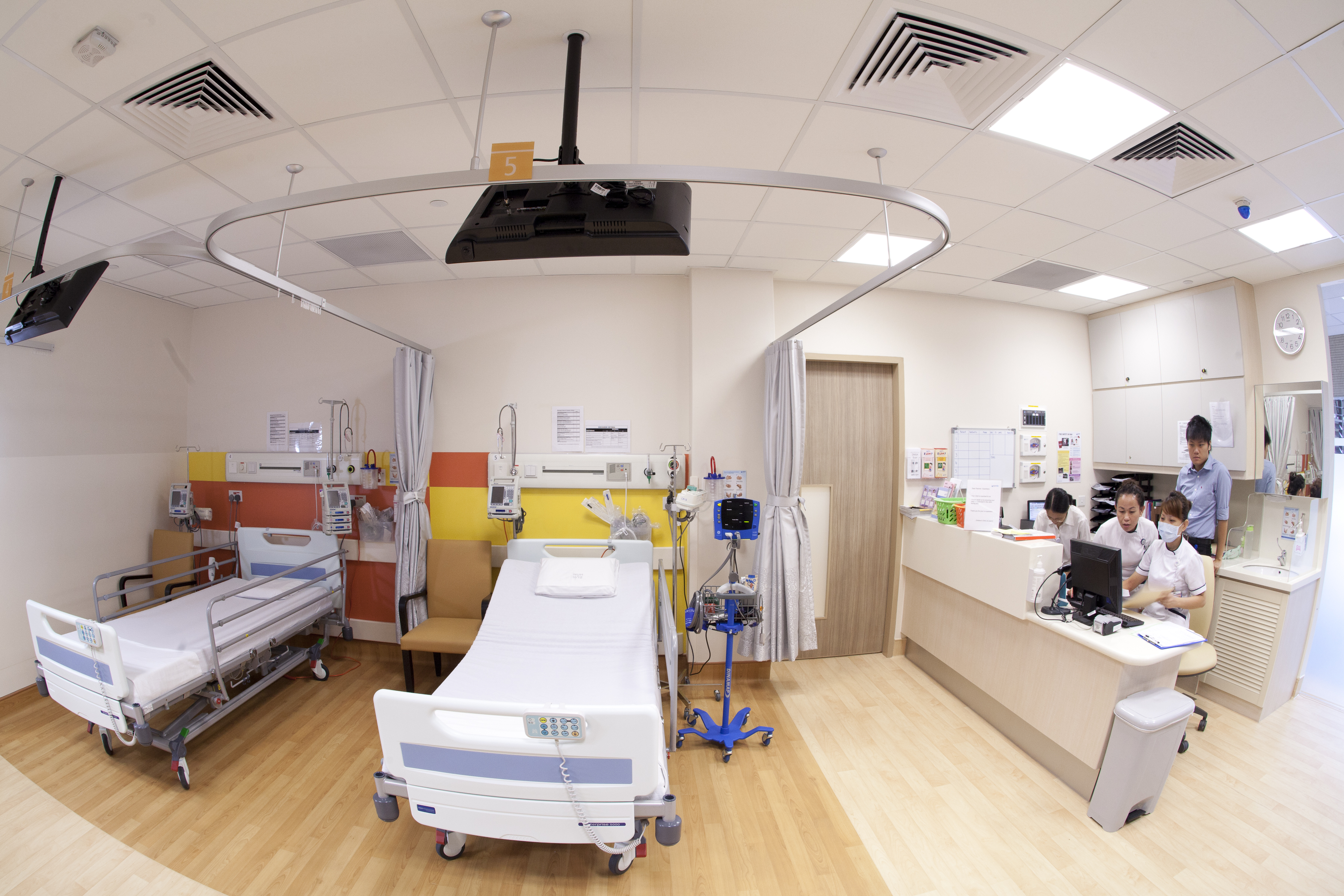
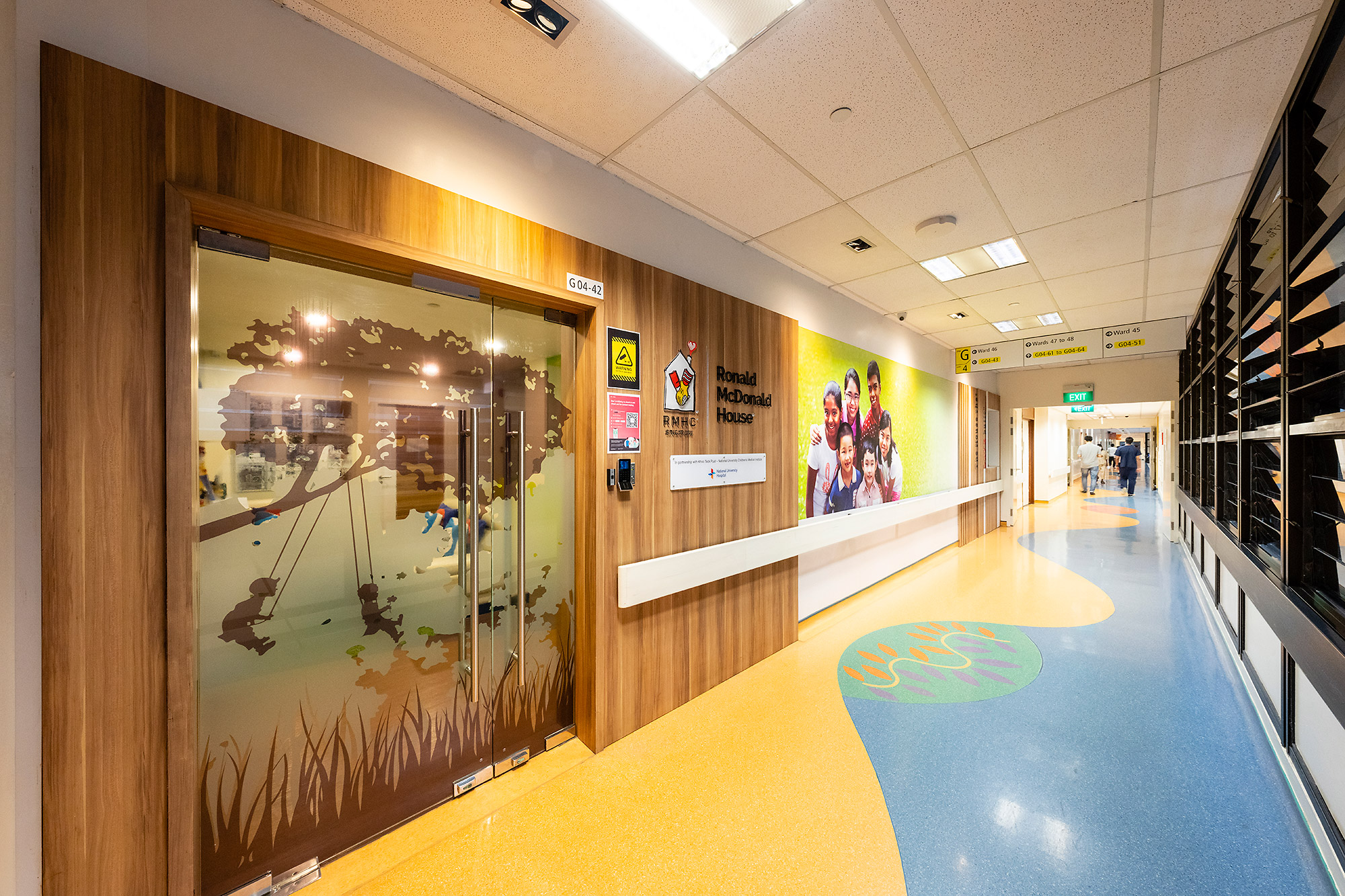
- Location: 5 Lower Kent Ridge Road, Singapore. (pacificprime.sg)
- A leading university teaching hospital and referral centre. (NUH)
- Notable specialties: Women’s health, pediatrics, cancer care, organ transplant programmes. (NUH)
- A good option for patients seeking advanced diagnostics and multi-specialty coordination.
- Tan Tock Seng Hospital (TTSH)
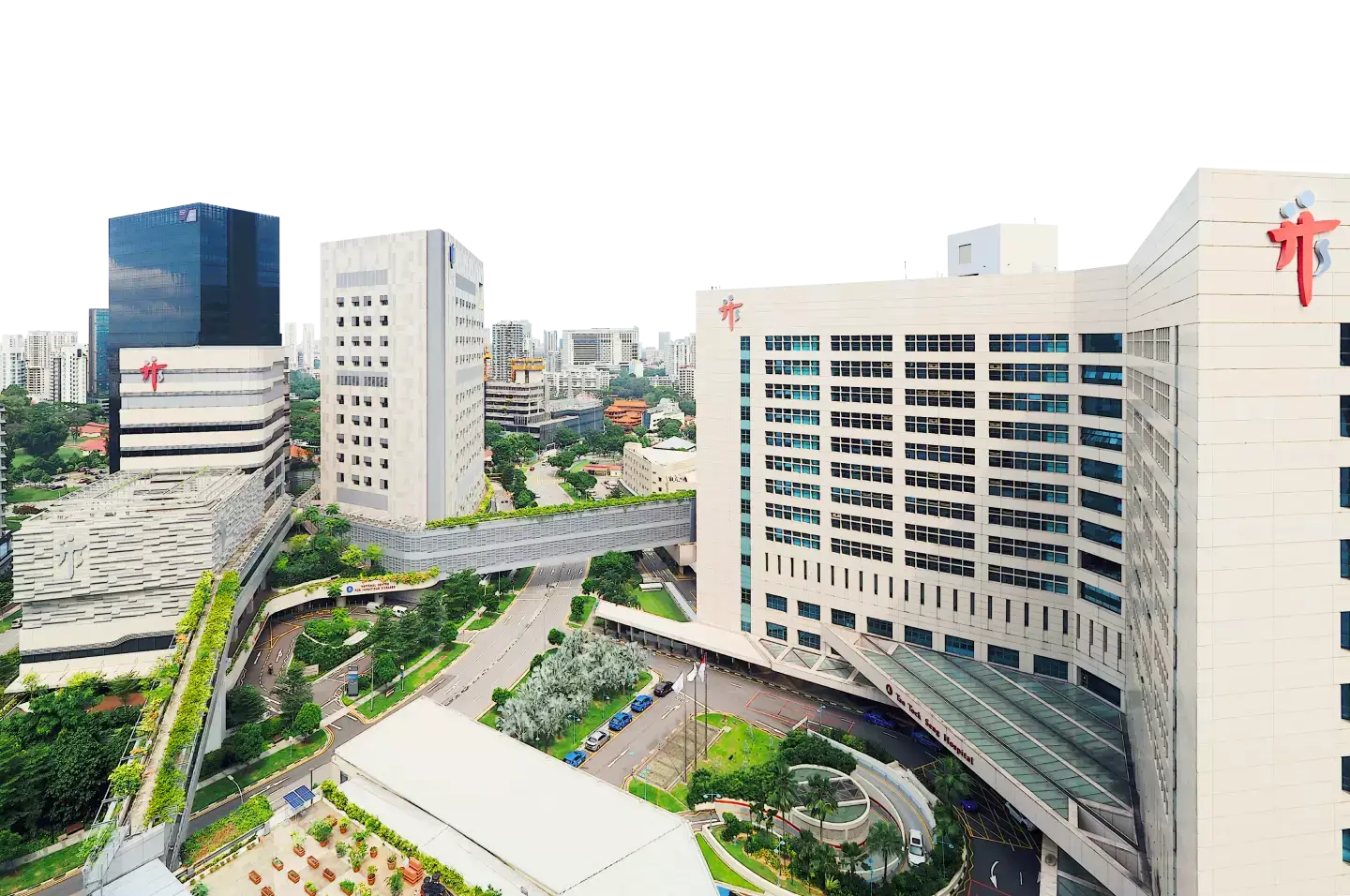
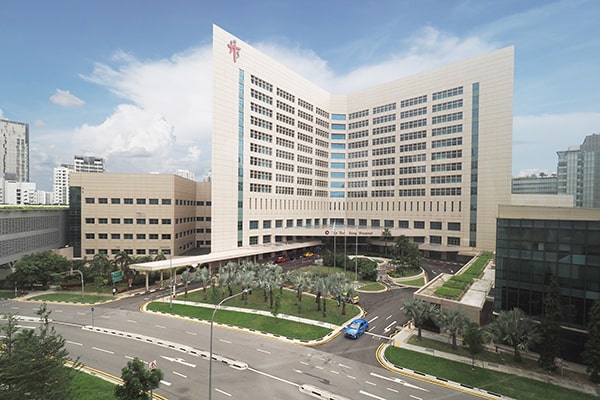
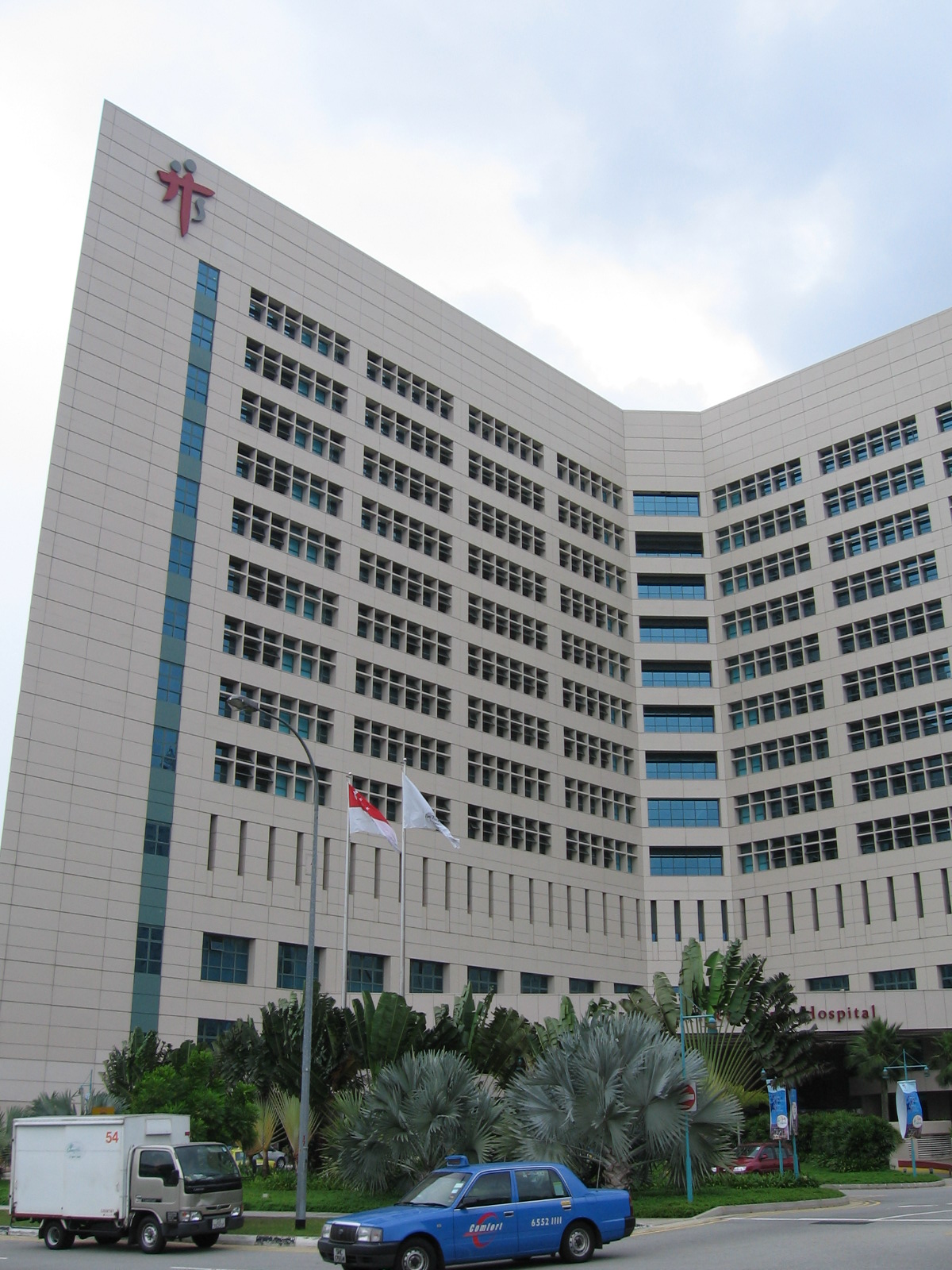
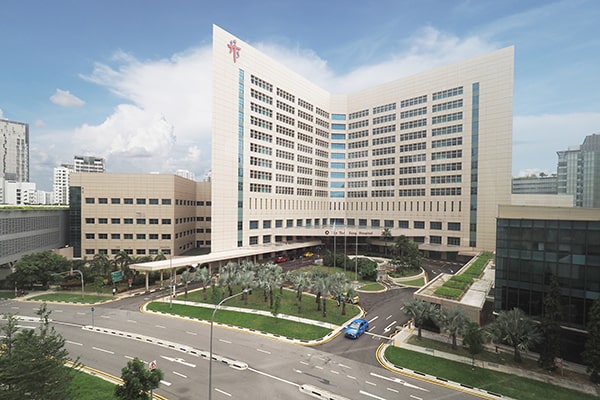
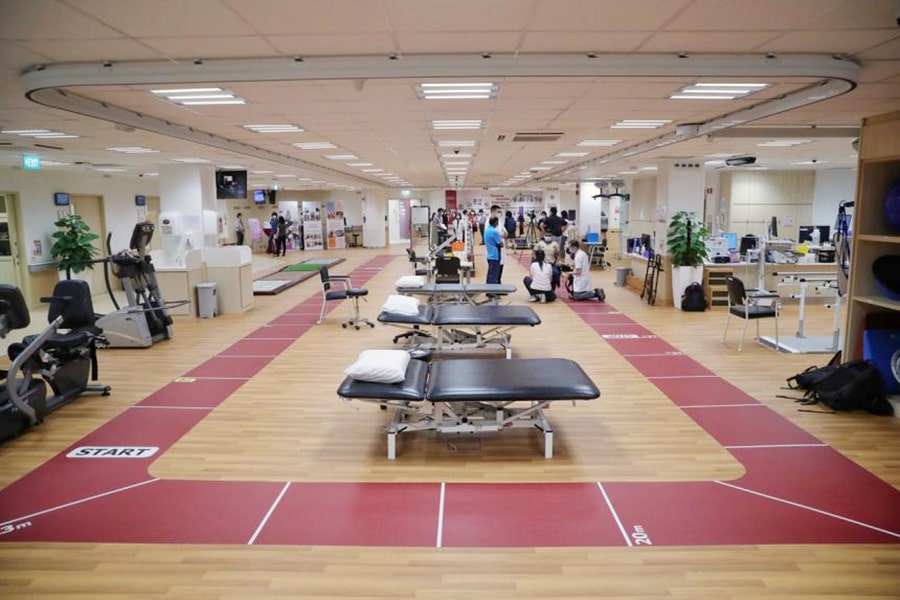
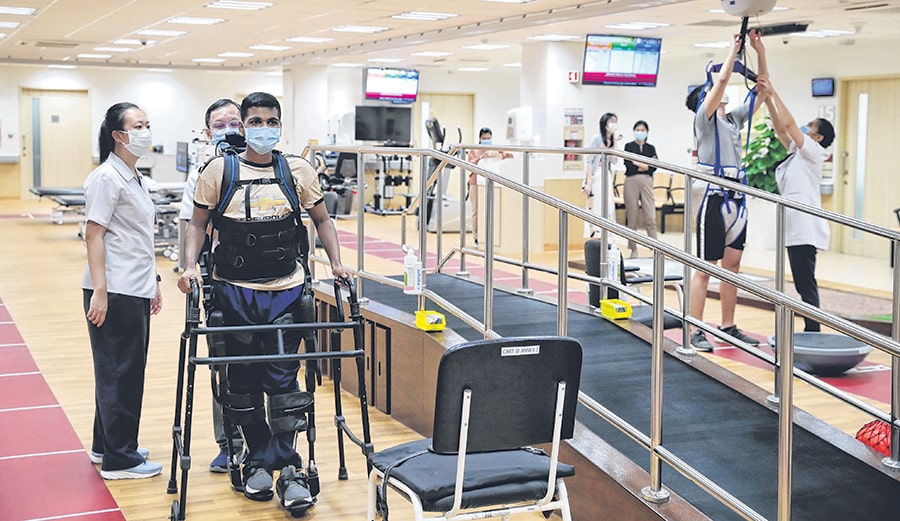
- Location: Novena, Singapore. (Wikipedia)
- One of Singapore’s largest acute care hospitals (~1,700 beds). (Wikipedia)
- Houses national specialty centres (Neuroscience, Skin) and has a busy trauma centre. (Wikipedia)
- Ideal for serious acute care, trauma, rehabilitation and large-scale services.
- Changi General Hospital (CGH)

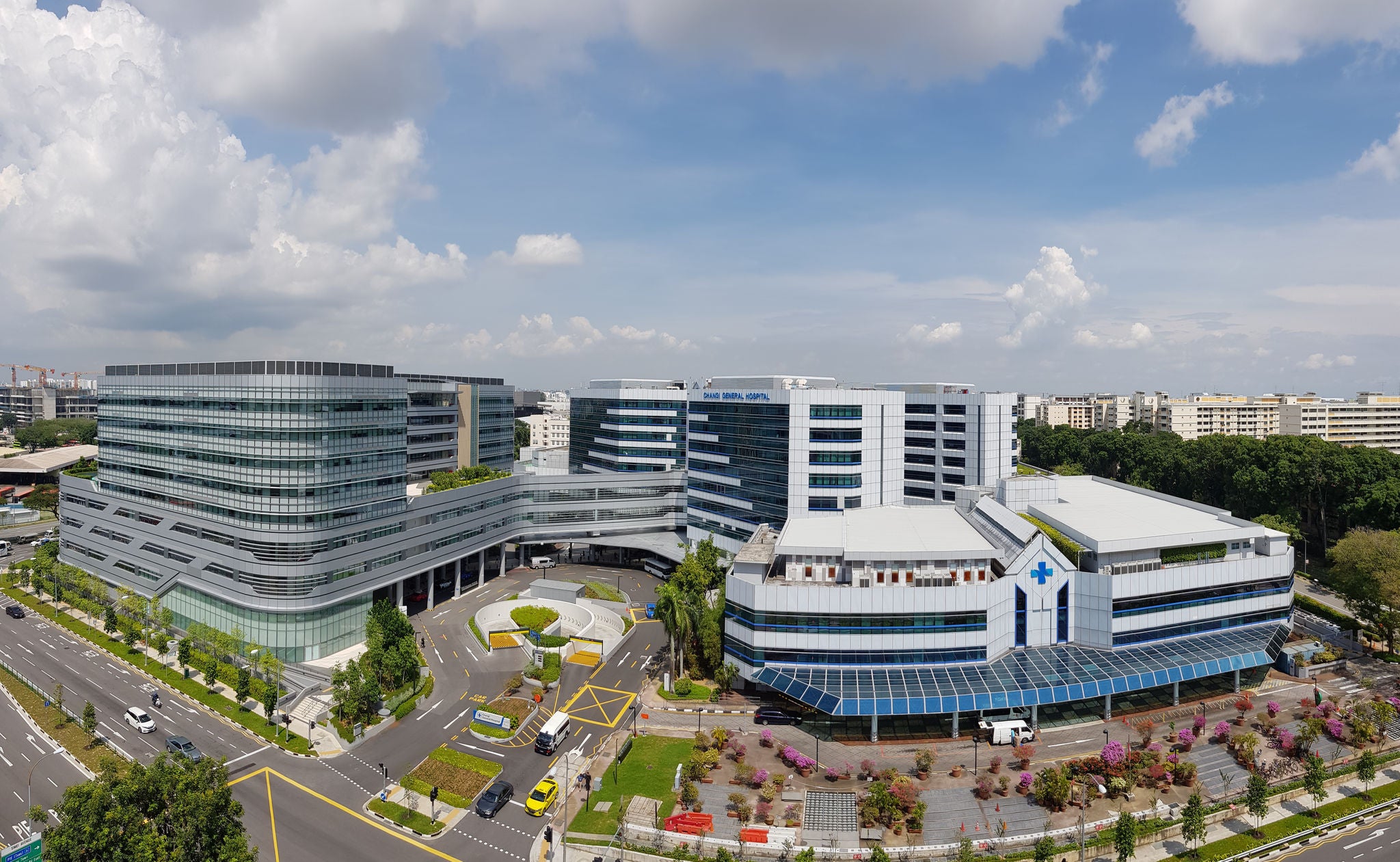
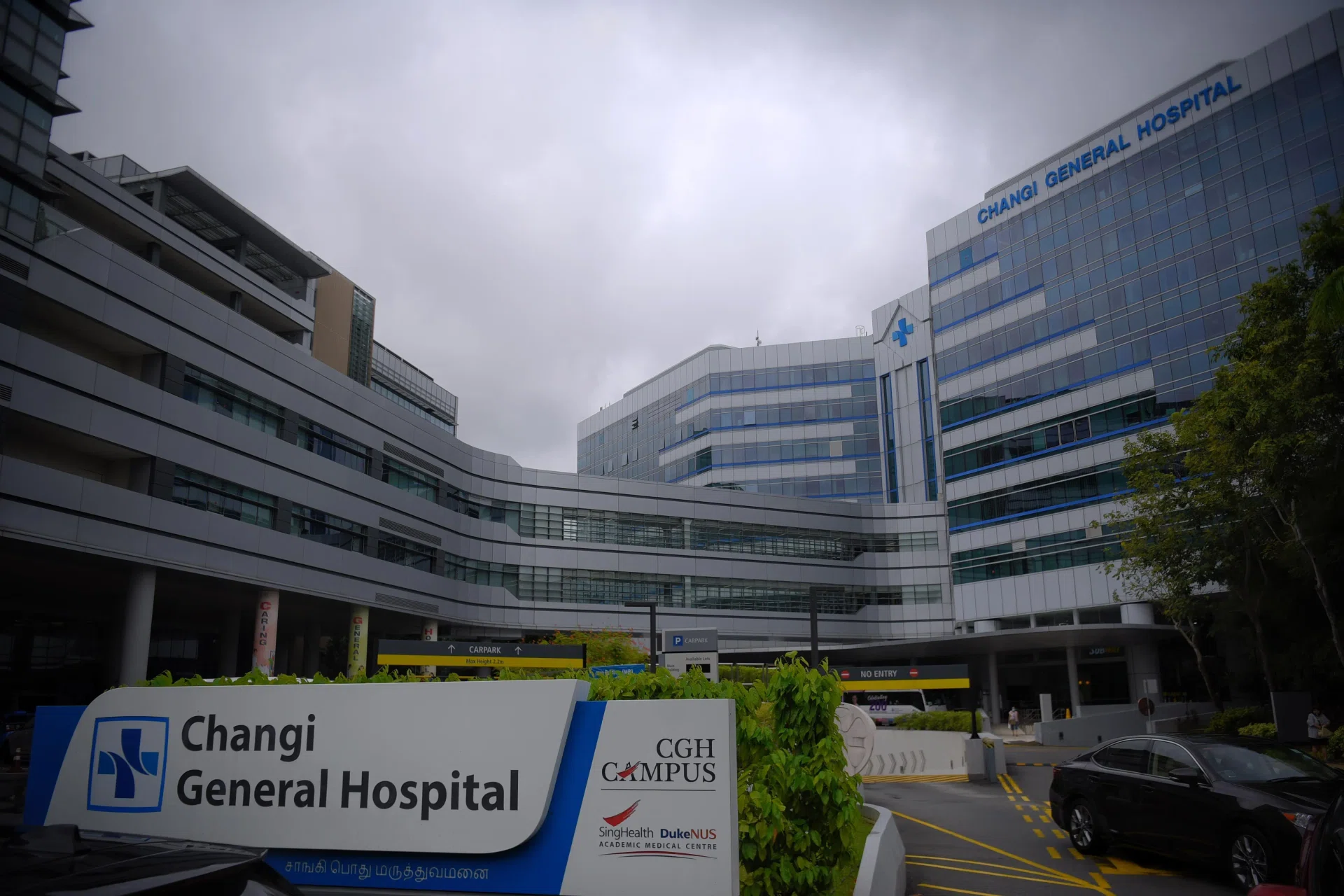

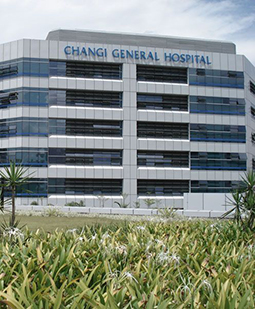
- Location: Simei, Singapore. (Wikipedia)
- A substantial public hospital (~1,000 beds) serving the eastern region of Singapore. (pacificprime.sg)
- Offers integrated services with community hospitals and specialist centres (eg sports medicine).
- Good choice for residents in the east/northeast of Singapore or for general acute care.
- Khoo Teck Puat Hospital (KTPH)

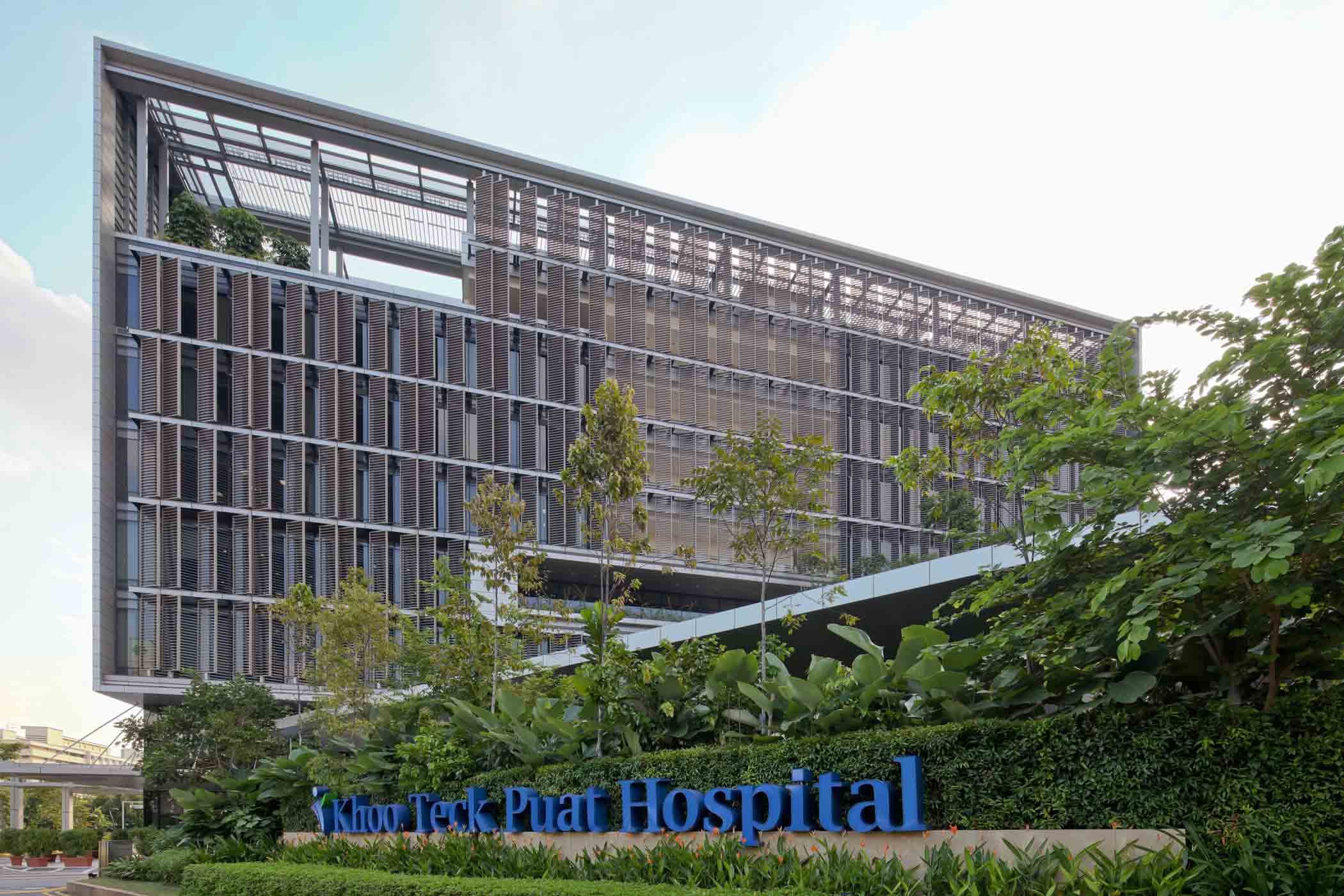




- Location: 90 Yishun Central, Singapore. (pacificprime.sg)
- Public acute hospital located in northern Singapore, part of the National Healthcare Group.
- Suitable for general acute care, especially if you are in northern Singapore or want a newer facility.
- Woodlands Health Campus




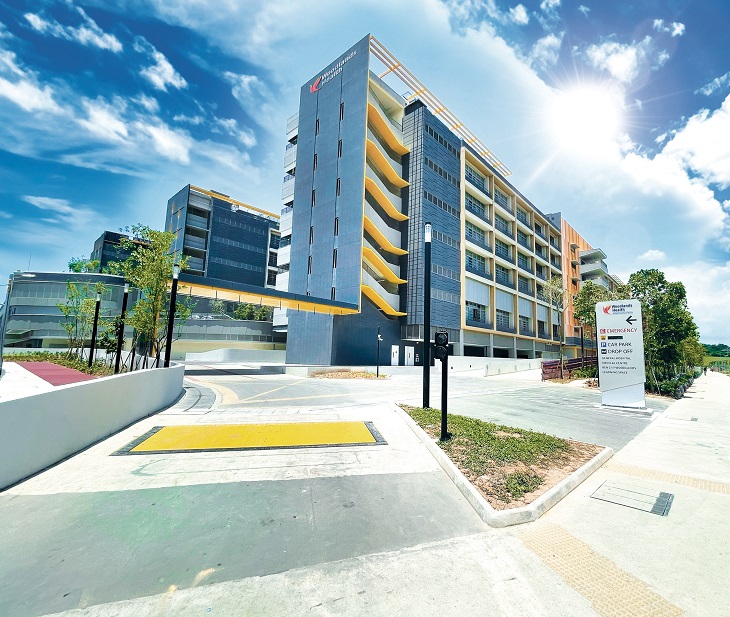
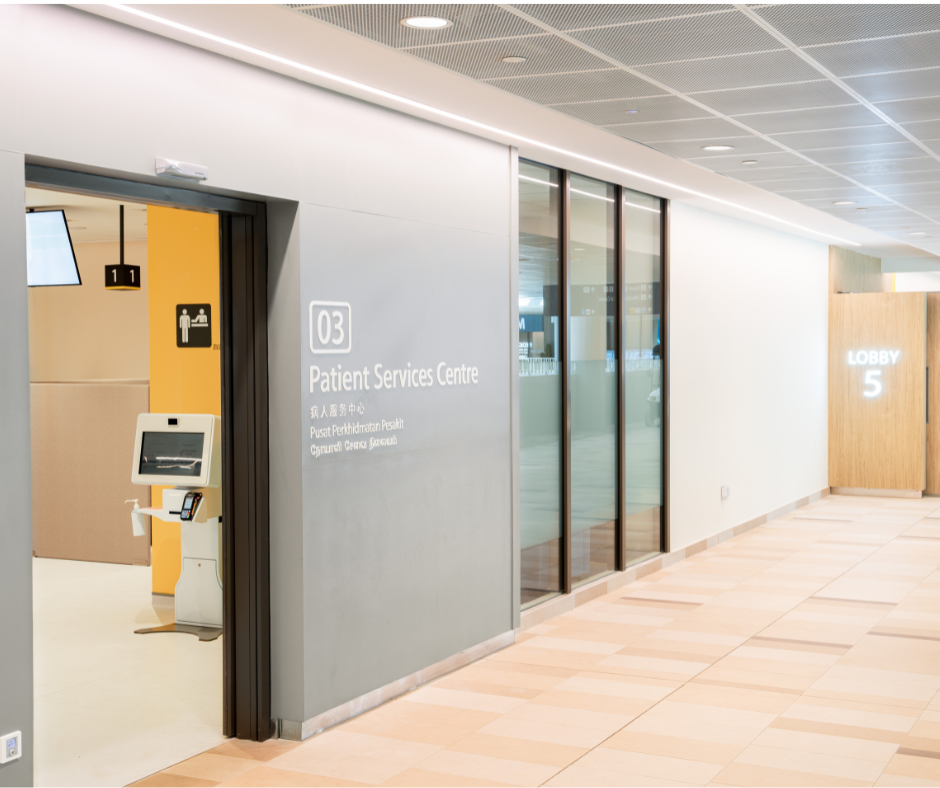
- Location: 17 Woodlands Drive 17, Singapore. (Opened Dec 2023 / officially July 2024) (Wikipedia)
- Public hospital + community care campus, designed to provide expanded capacity (~1,800 beds) for the northern/north-west region. (Wikipedia)
- Great if you are based in that region and want newer infrastructure; may have less track record for ultra-specialised tertiary care compared to older institutions.
- Mount Elizabeth Hospital (Orchard)



- Private hospital located at 3 Mount Elizabeth, Orchard, Singapore. (mountelizabeth.com.sg)
- Part of the IHH Healthcare network; high standards, many specialties, strong reputation for international patients. (mountelizabeth.com.sg)
- Ideal for private care, international medical travellers or those seeking shorter wait times and premium amenities.
- Gleneagles Hospital

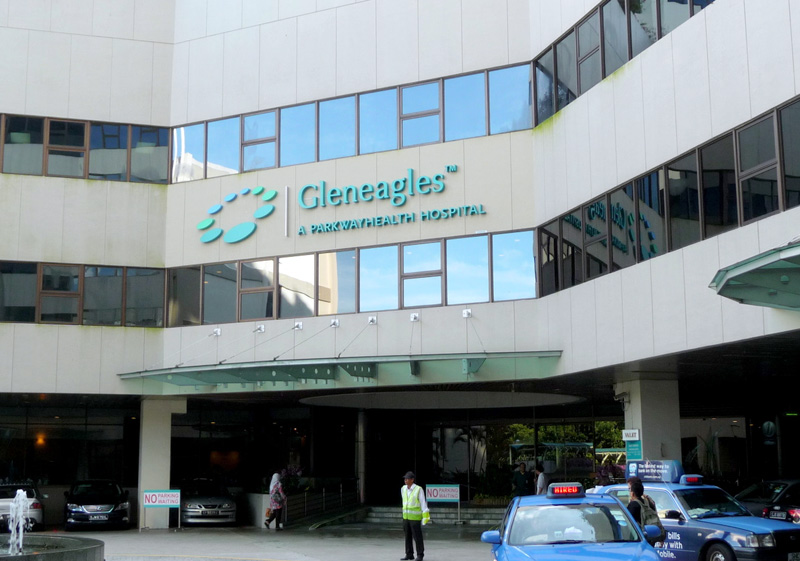

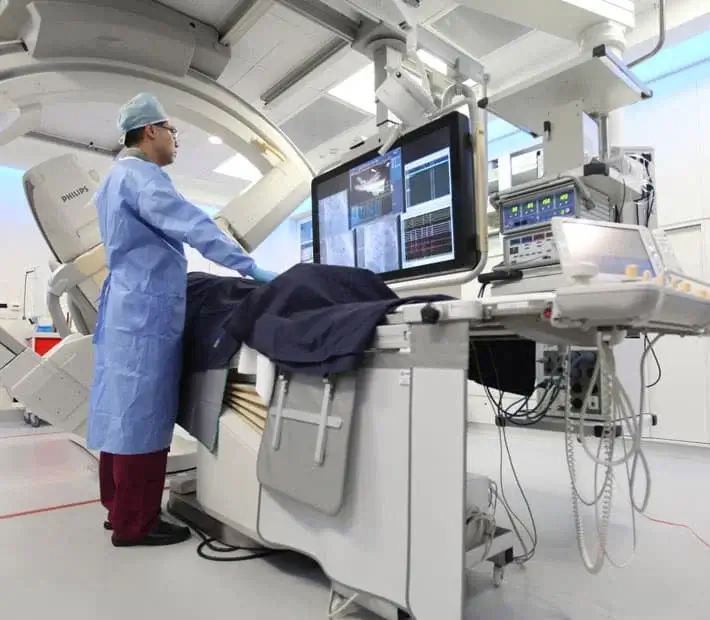


- Private hospital located at 6A Napier Road, Singapore. (Pacific Prime)
- Known for international patient services, comfort, and multi-specialty care. (ExpatDen)
- Good for private patients who value concierge services, premium amenities and high service levels.
- Mount Elizabeth Novena Hospital


- Private hospital located in Novena (333 beds) and part of the Mount Elizabeth group. (Vaidam Health)
- Offers tertiary-level care, strong for both local and international patients seeking high-end private services.
- Raffles Hospital

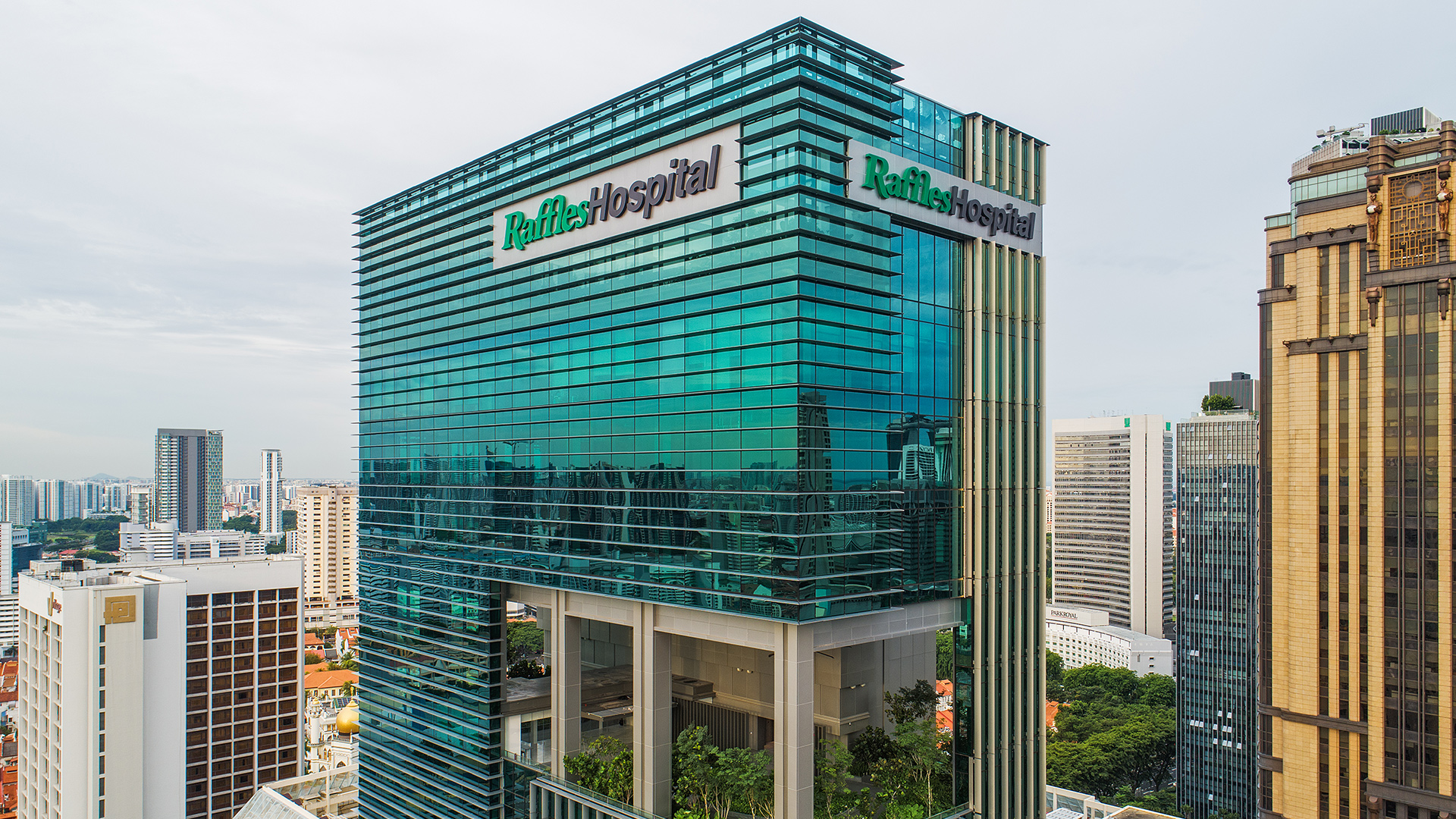
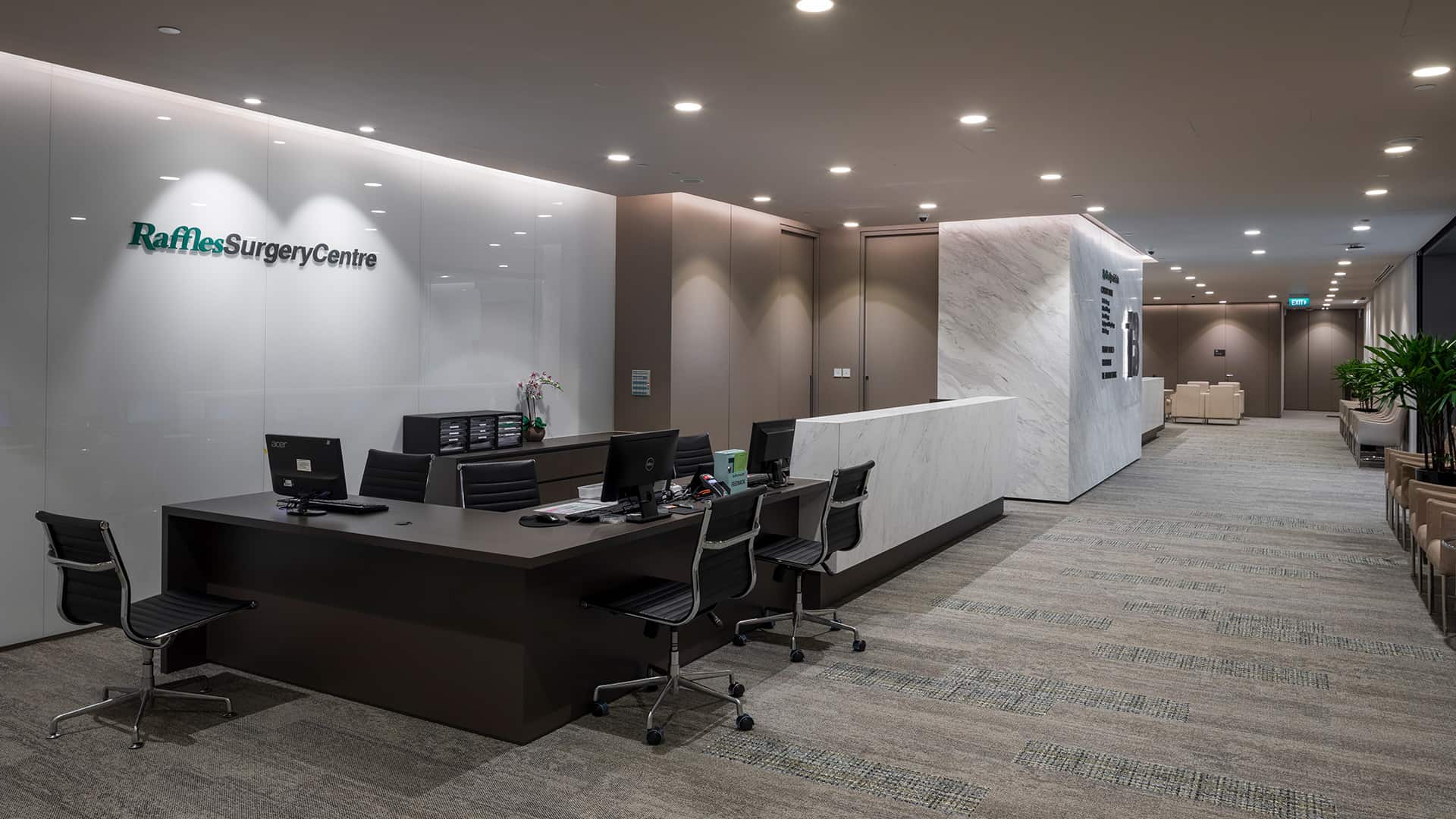
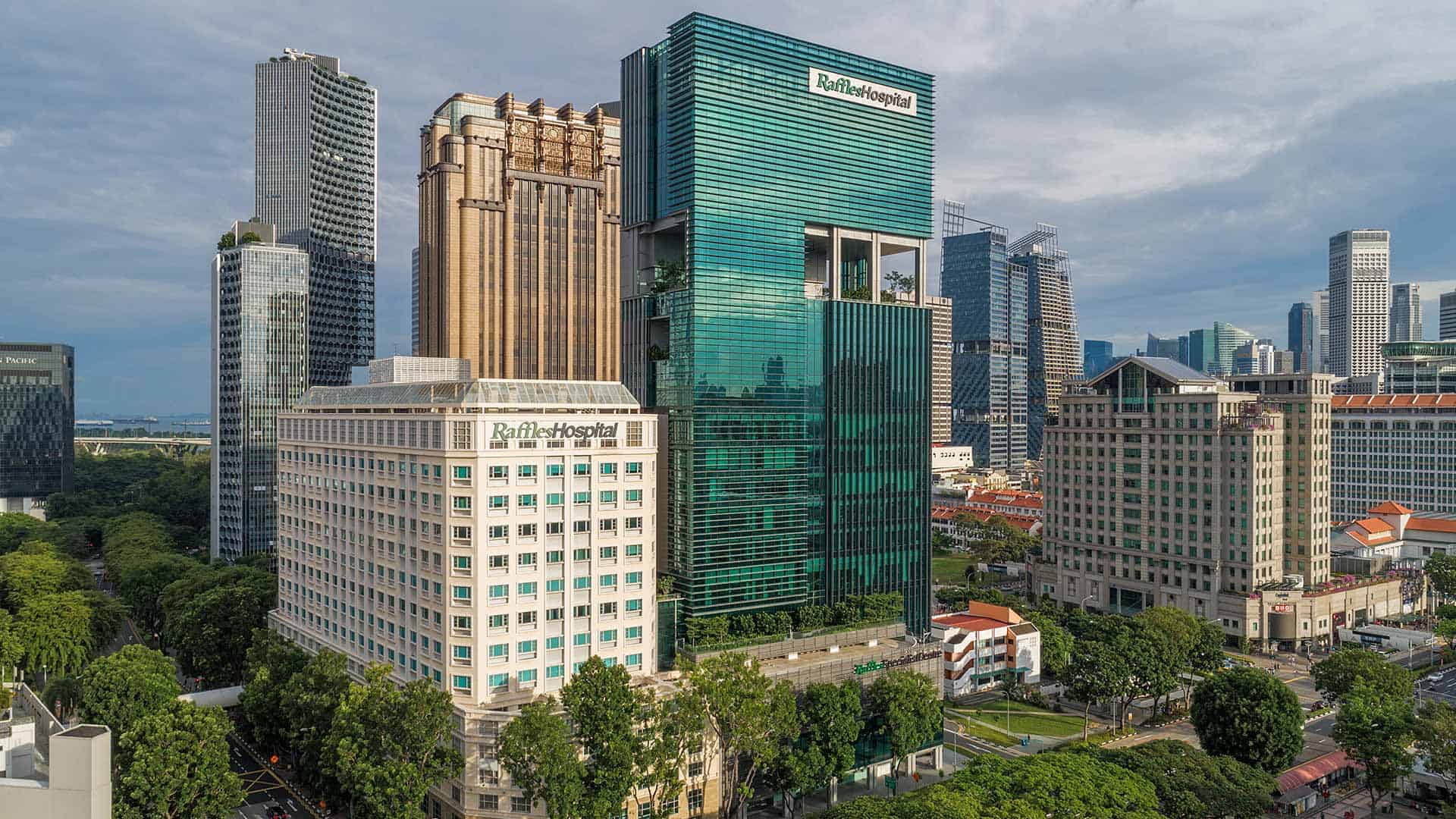

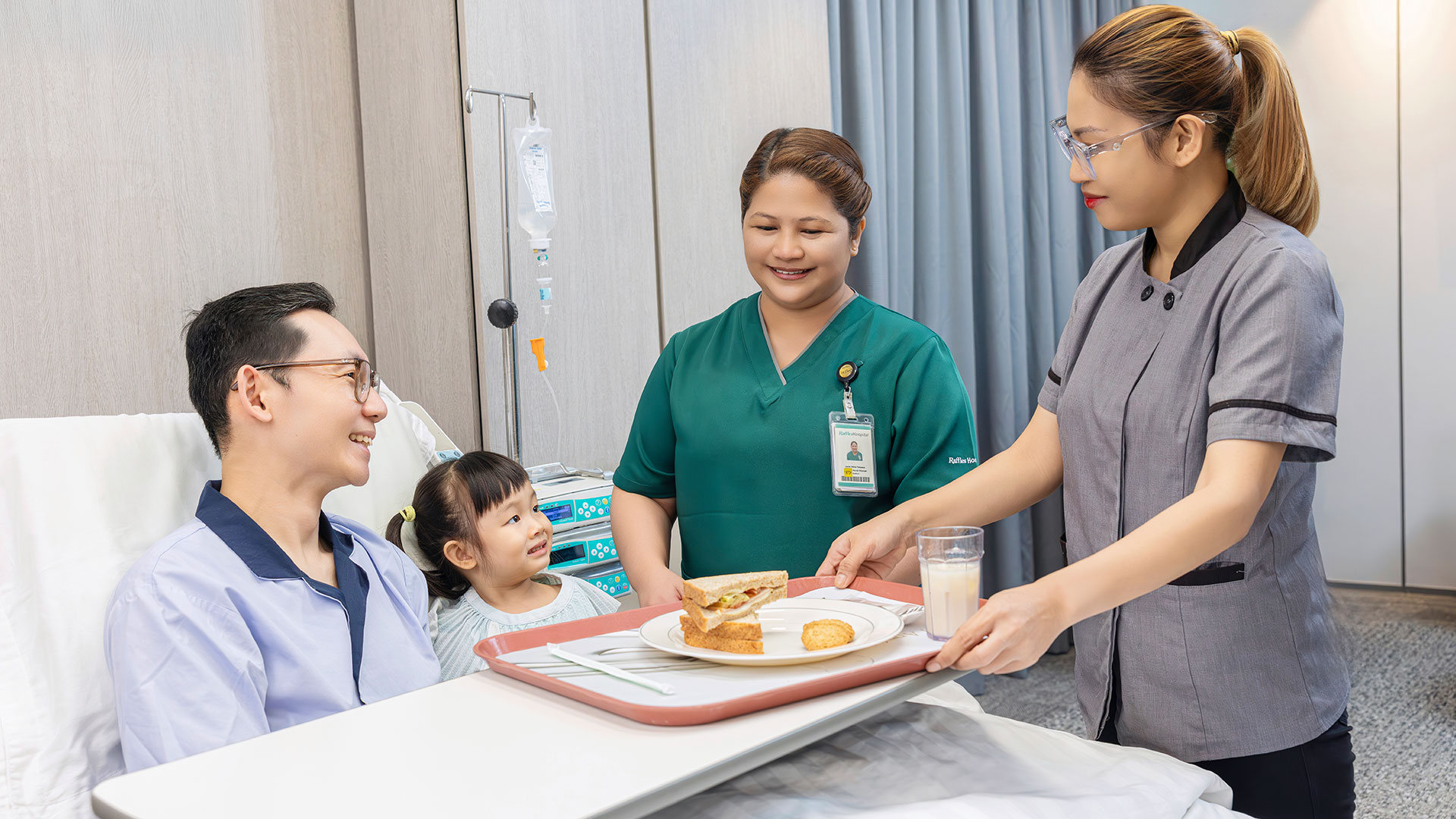
- Private hospital located at Bugis (380 beds) in Singapore. :contentReference[oaicite:44]{index=44}
- Focused on more personal care, modern private hospital amenities, and multi-specialty offerings.
- Good for expats or patients wanting private care but perhaps lower cost than ultra-premium hospitals.
11. ### Mount Alvernia Hospital
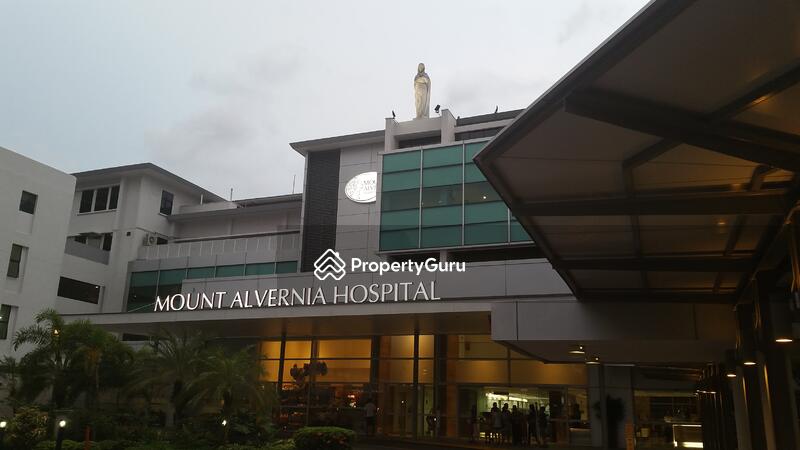
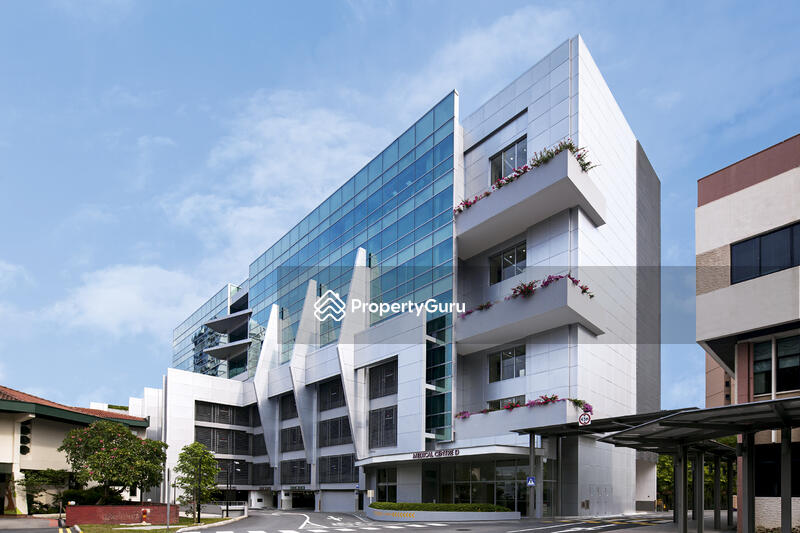


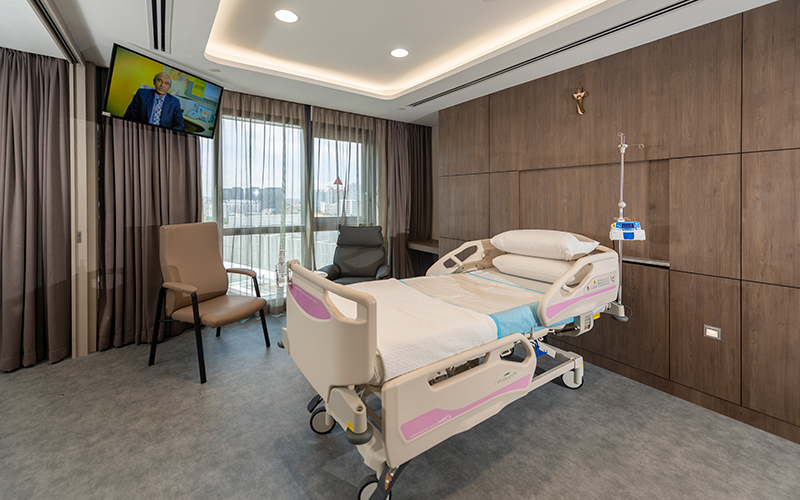
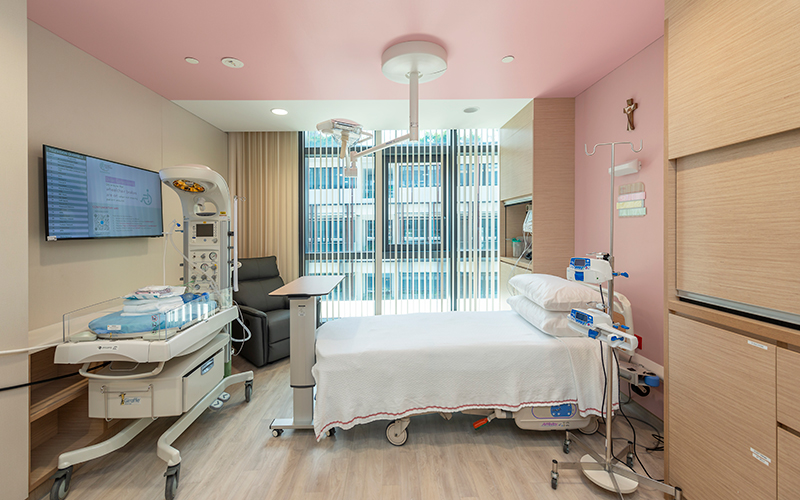
- Private, not-for-profit general acute tertiary hospital located at 820 Thomson Road, Singapore. :contentReference[oaicite:47]{index=47}
- Known for compassionate care, smaller scale than the largest private hospitals, and comfortable environment.
- Good for patients who value a more personal/hospital-community feel.
12. ### Farrer Park Hospital





- Private hospital located at 1 Farrer Park Station Road, Singapore. :contentReference[oaicite:50]{index=50}
- A modern private hospital focused on specialist services, convenience, international patients.
- Good choice for logged-in care with streamlined service channels.
13. ### Parkway East Hospital


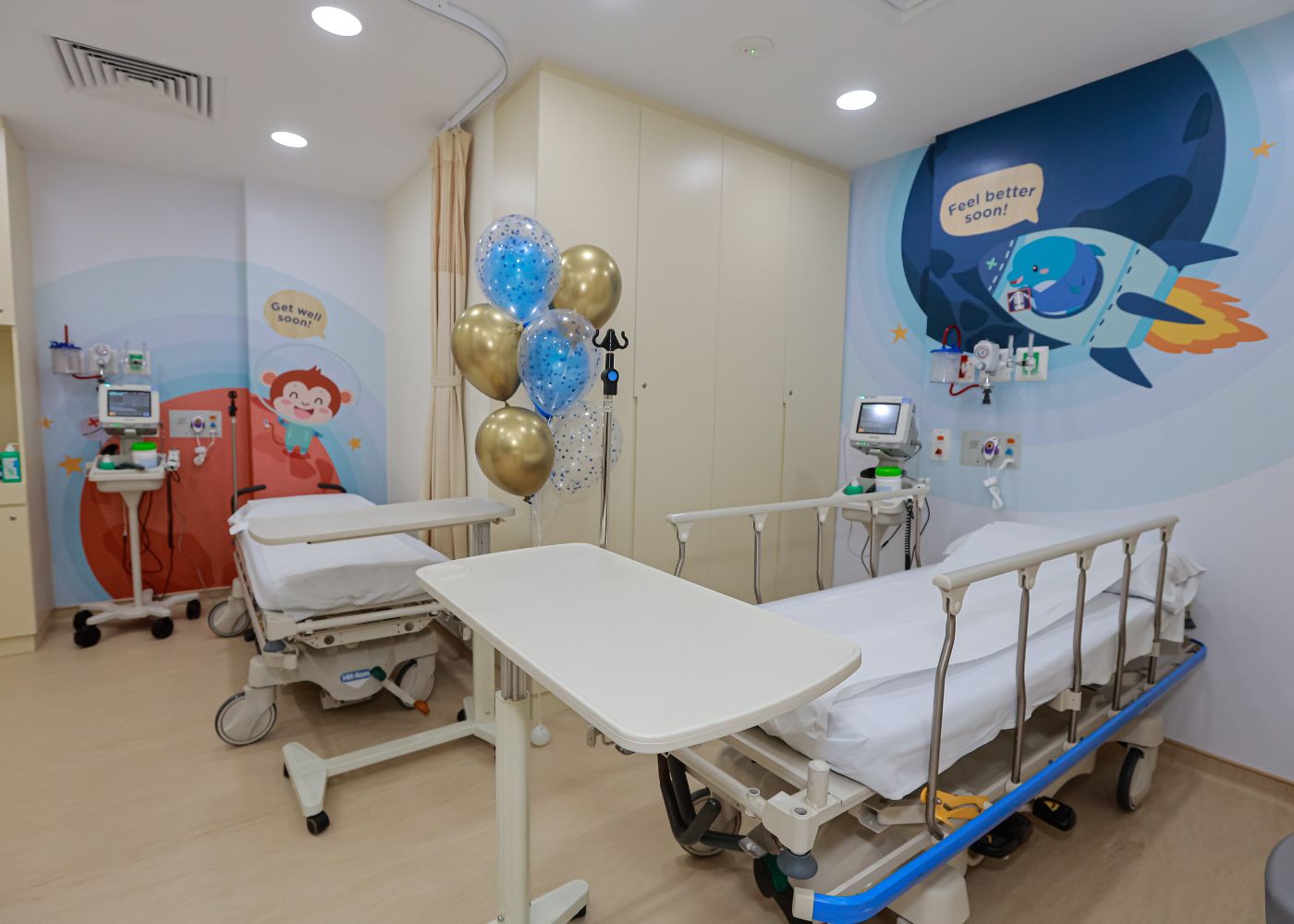


- Private hospital at Joo Chiat, Singapore (143 beds) according to hospital listings. :contentReference[oaicite:53]{index=53}
- Offers multi-specialty care, and is part of the Parkway network (which includes cancer and specialist services).
- Ideal for medium‐scale private care with access to specialist centres.
14. ### KK Women’s & Children’s Hospital (KKH)
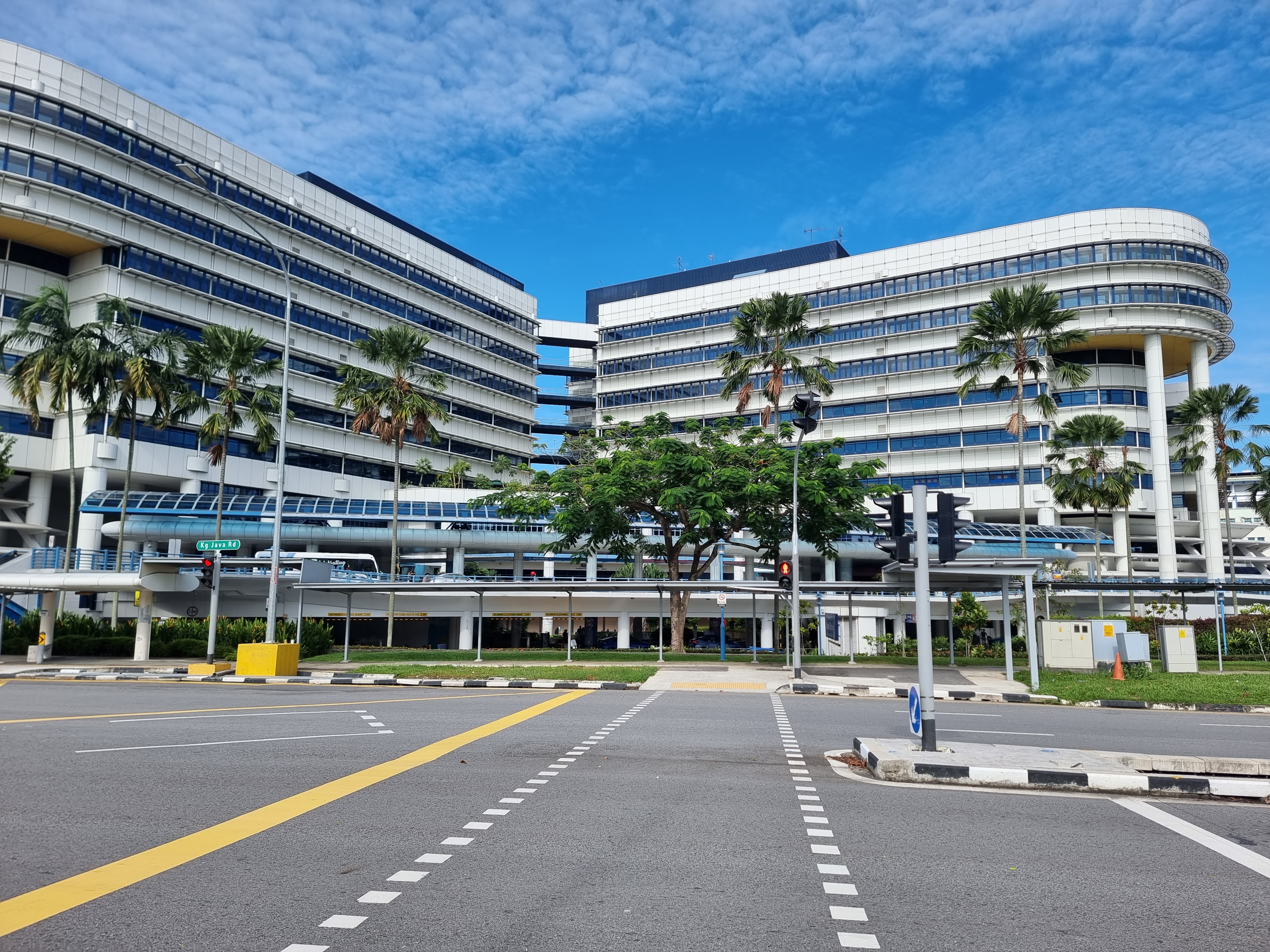

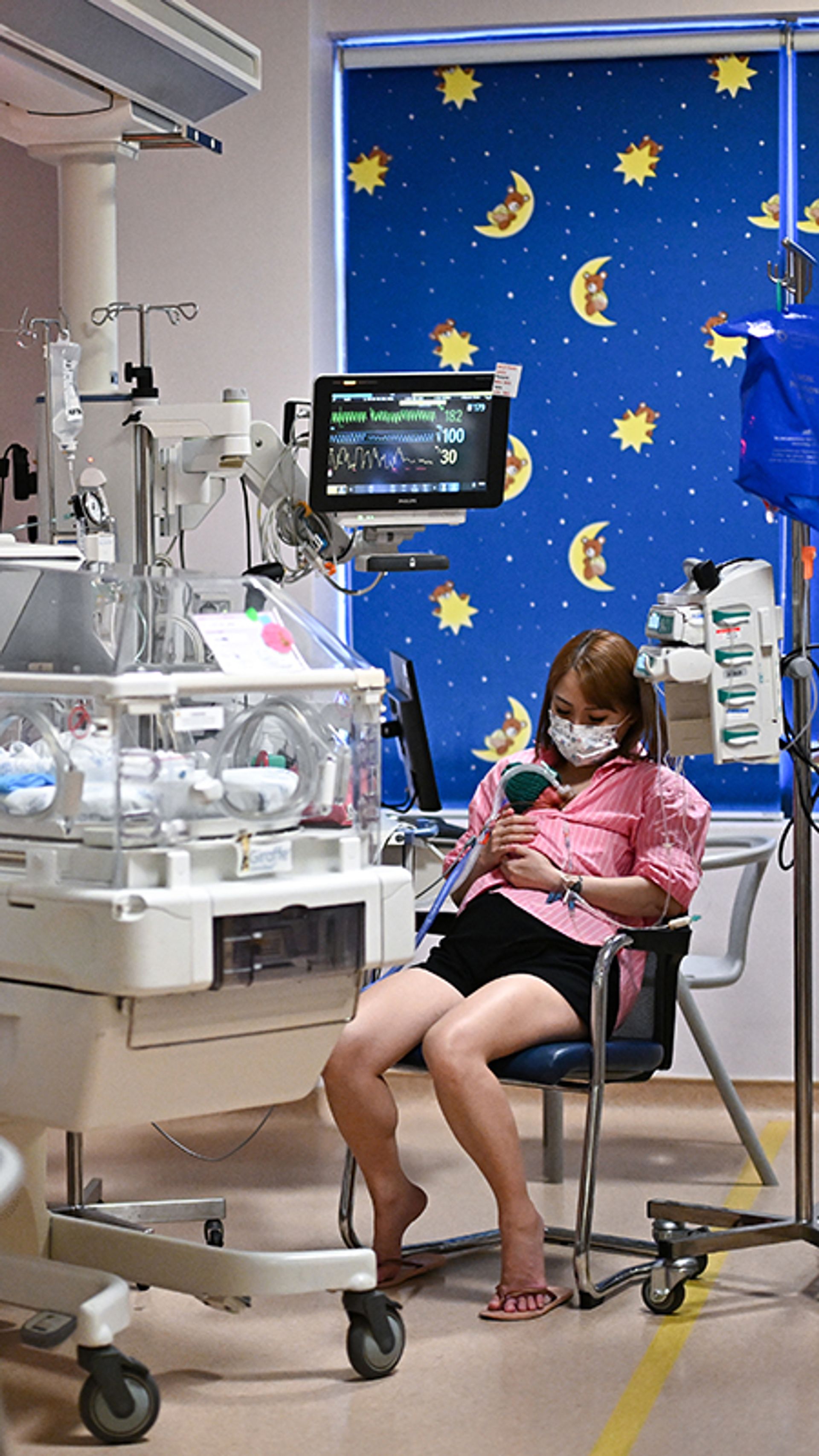

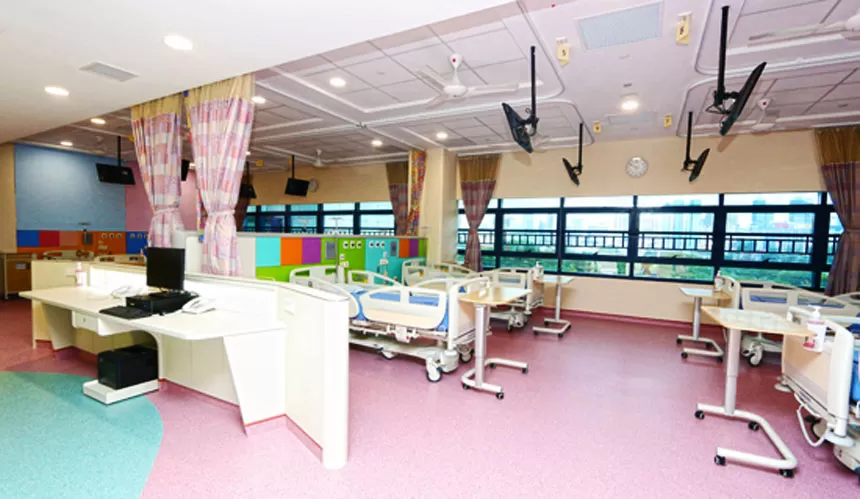
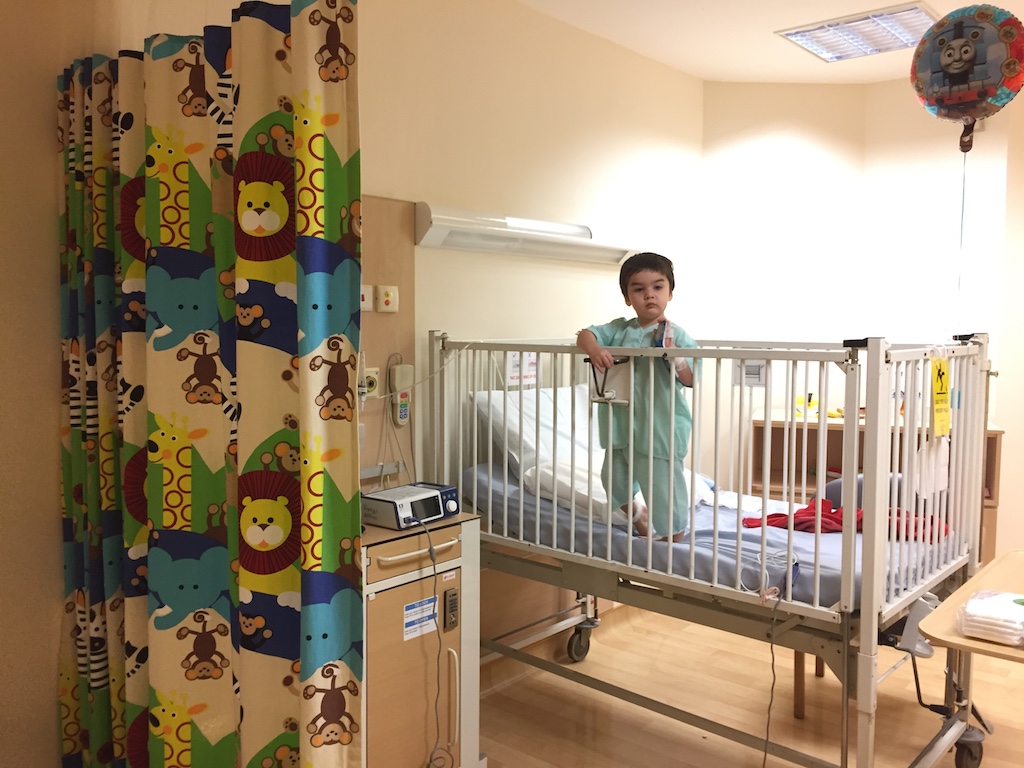
- Public specialist hospital located at 100 Bukit Timah Road, Singapore. :contentReference[oaicite:56]{index=56}
- Focuses on women’s health, children’s health, obstetrics, neonatology.
- The go-to hospital in Singapore for maternity and paediatric tertiary care.
15. ### Alexandra Hospital


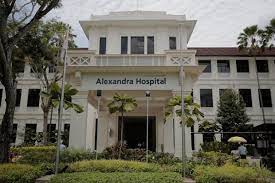
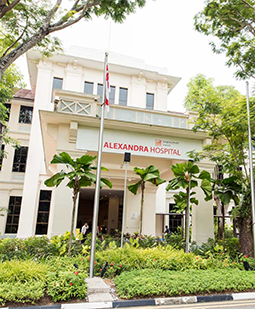

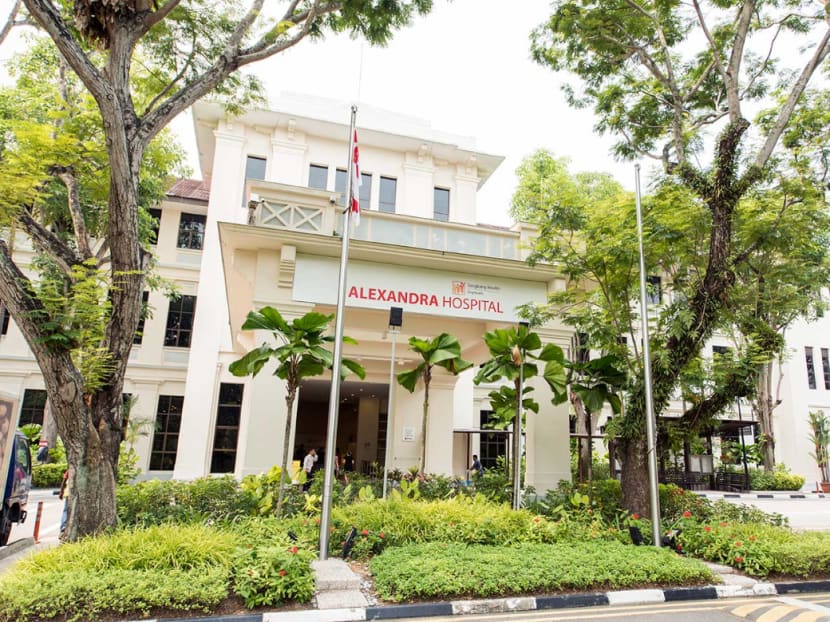
- Public hospital located in Queenstown, Singapore (326 beds listed) :contentReference[oaicite:59]{index=59}
- Offers general acute services and could be considered for less complex care or convenient access depending on location.
16. ### Ng Teng Fong General Hospital (NTFGH)

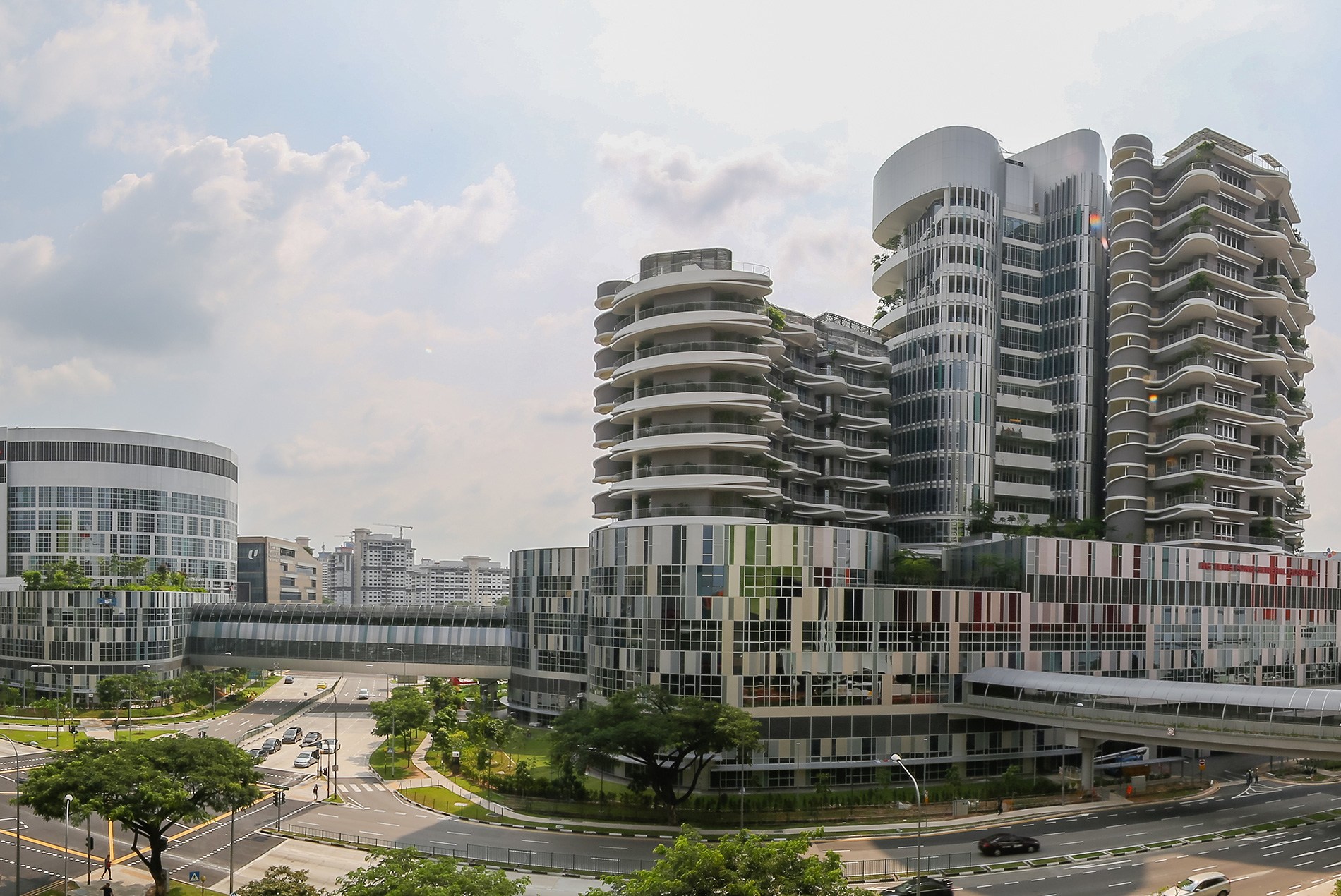


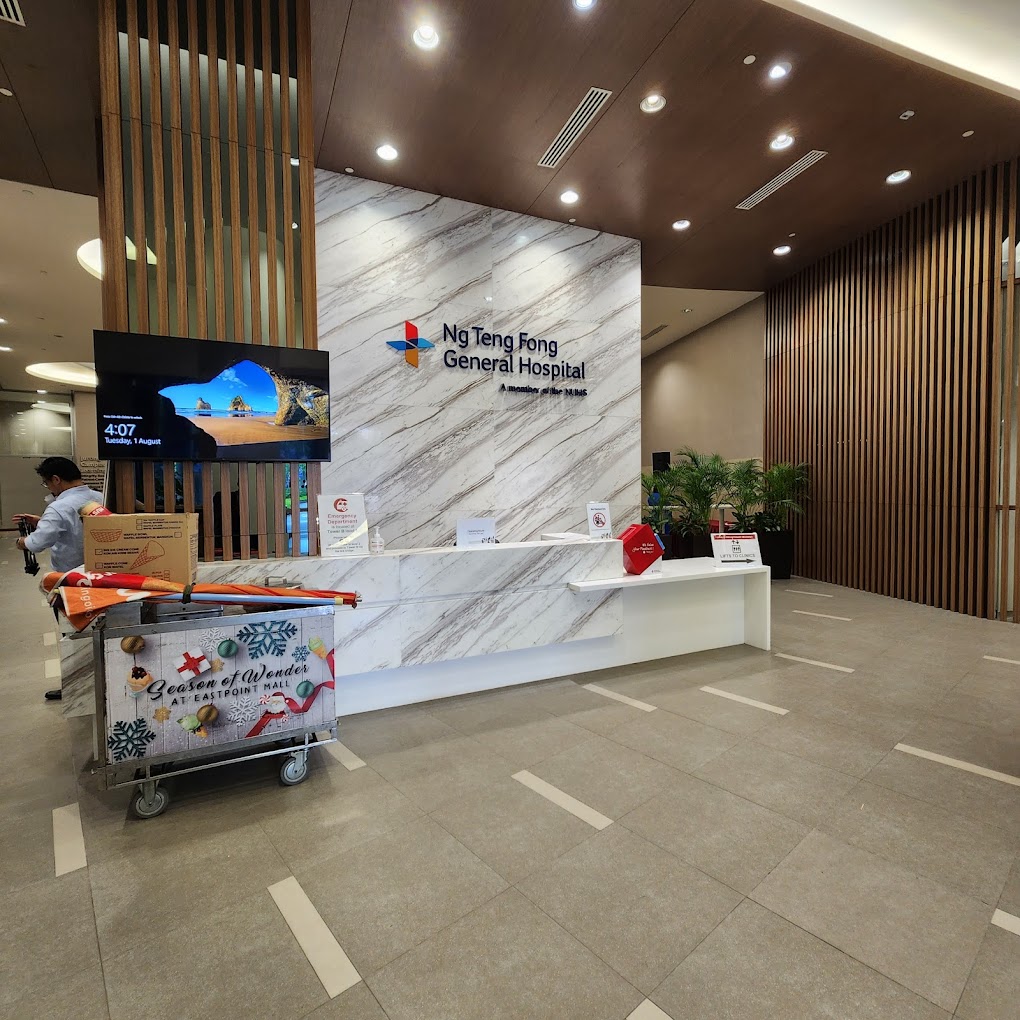
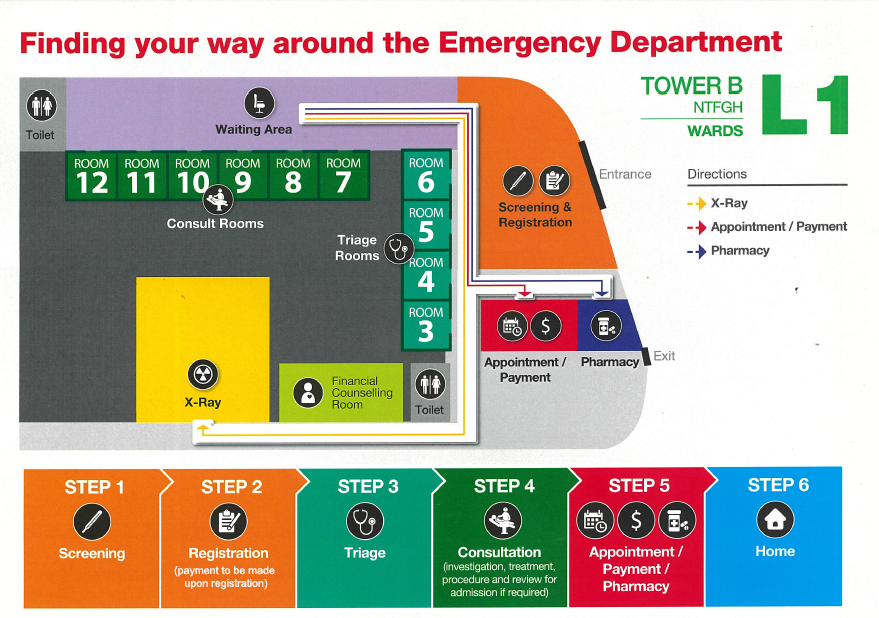
- Public hospital located in Jurong East, Singapore (700 beds listed) :contentReference[oaicite:62]{index=62}
- Good for residents in western Singapore, acute care, modern infrastructure.
17. ### Sengkang General Hospital (SKH)

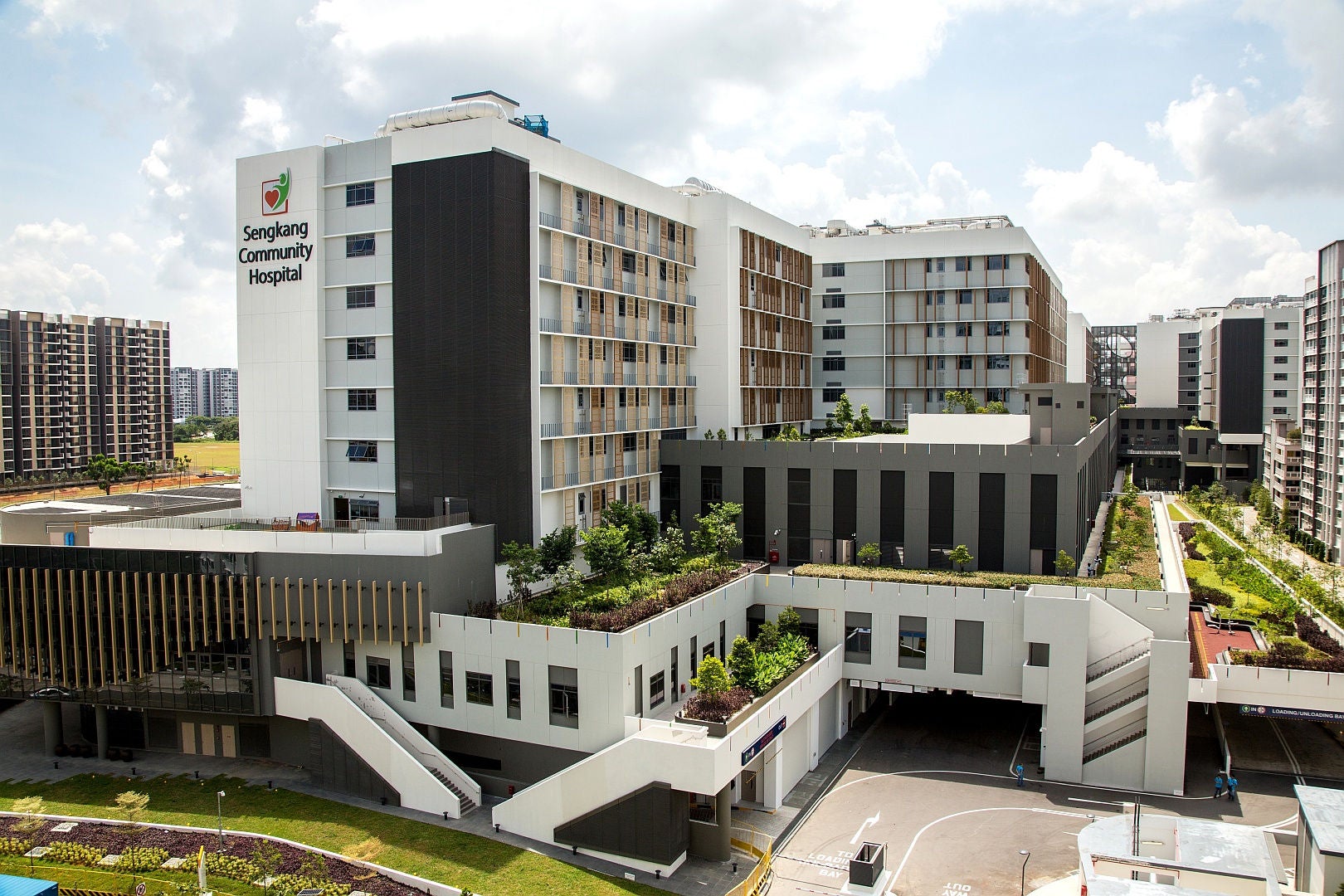
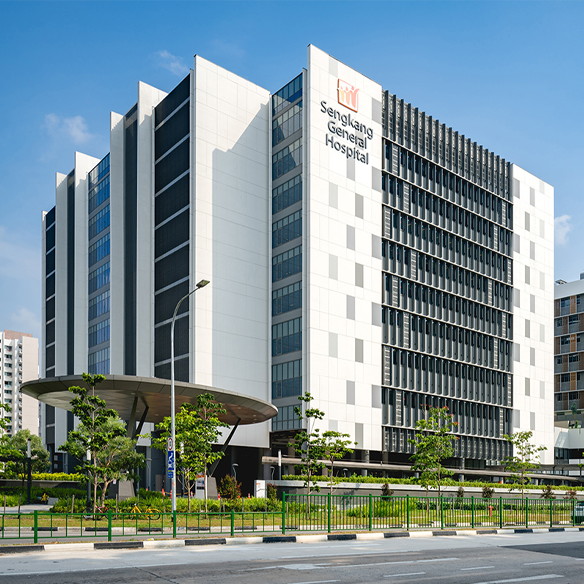
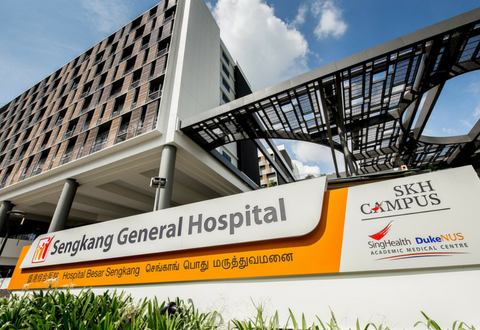


- Public hospital located at 110 Sengkang East Way, Singapore. (Opened August 2018) :contentReference[oaicite:65]{index=65}
- Focuses on general acute services for north‐east region, good choice for convenient access for patients in that zone.
18. ### Institute of Mental Health (IMH)
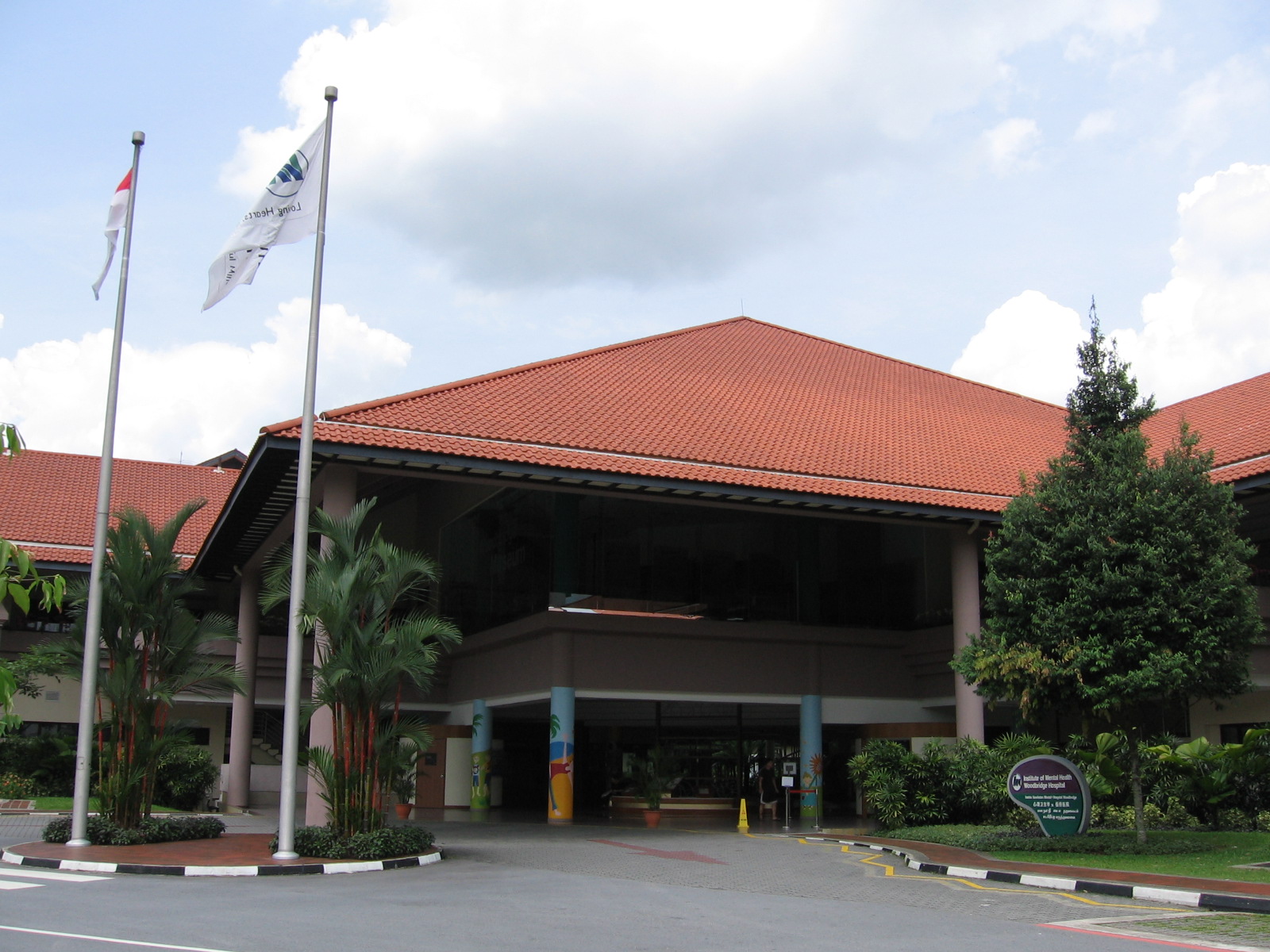

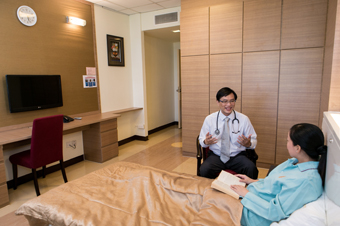
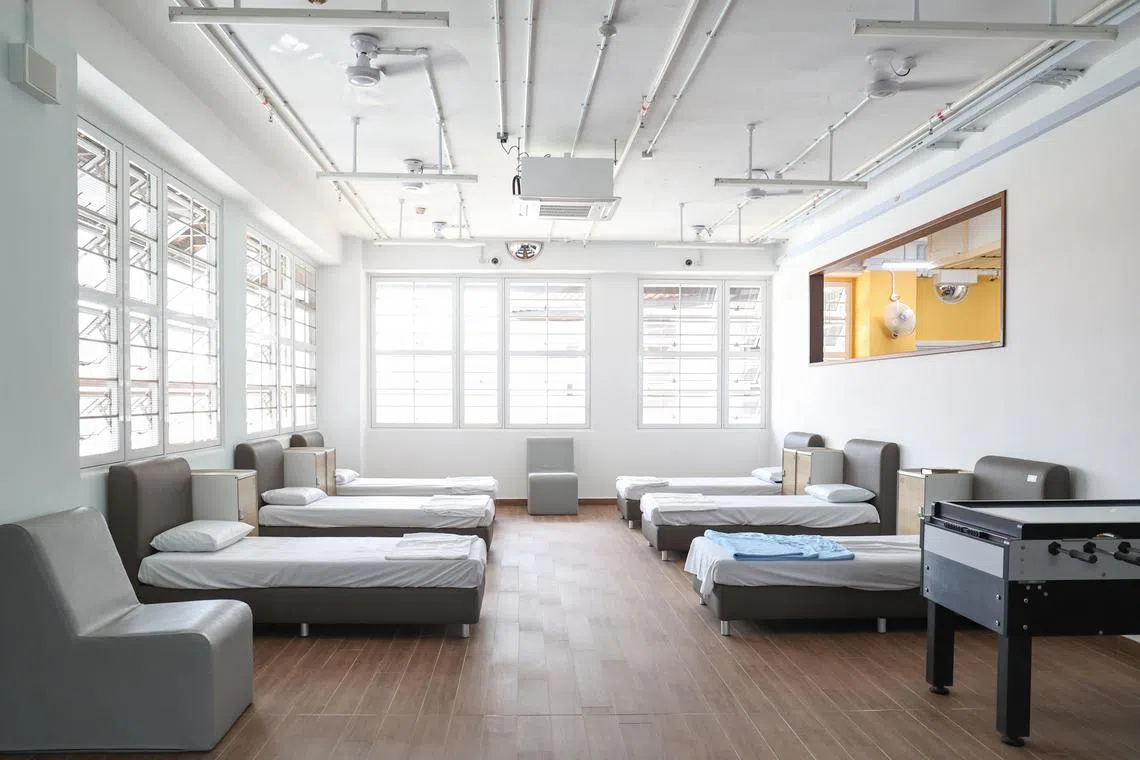


- Public specialist psychiatric hospital; located at Buangkok View, Singapore. :contentReference[oaicite:68]{index=68}
- While not a general acute hospital, it is critical for mental health tertiary care, rehabilitation and specialist psychiatric services.
19. ### St. Andrew’s Community Hospital

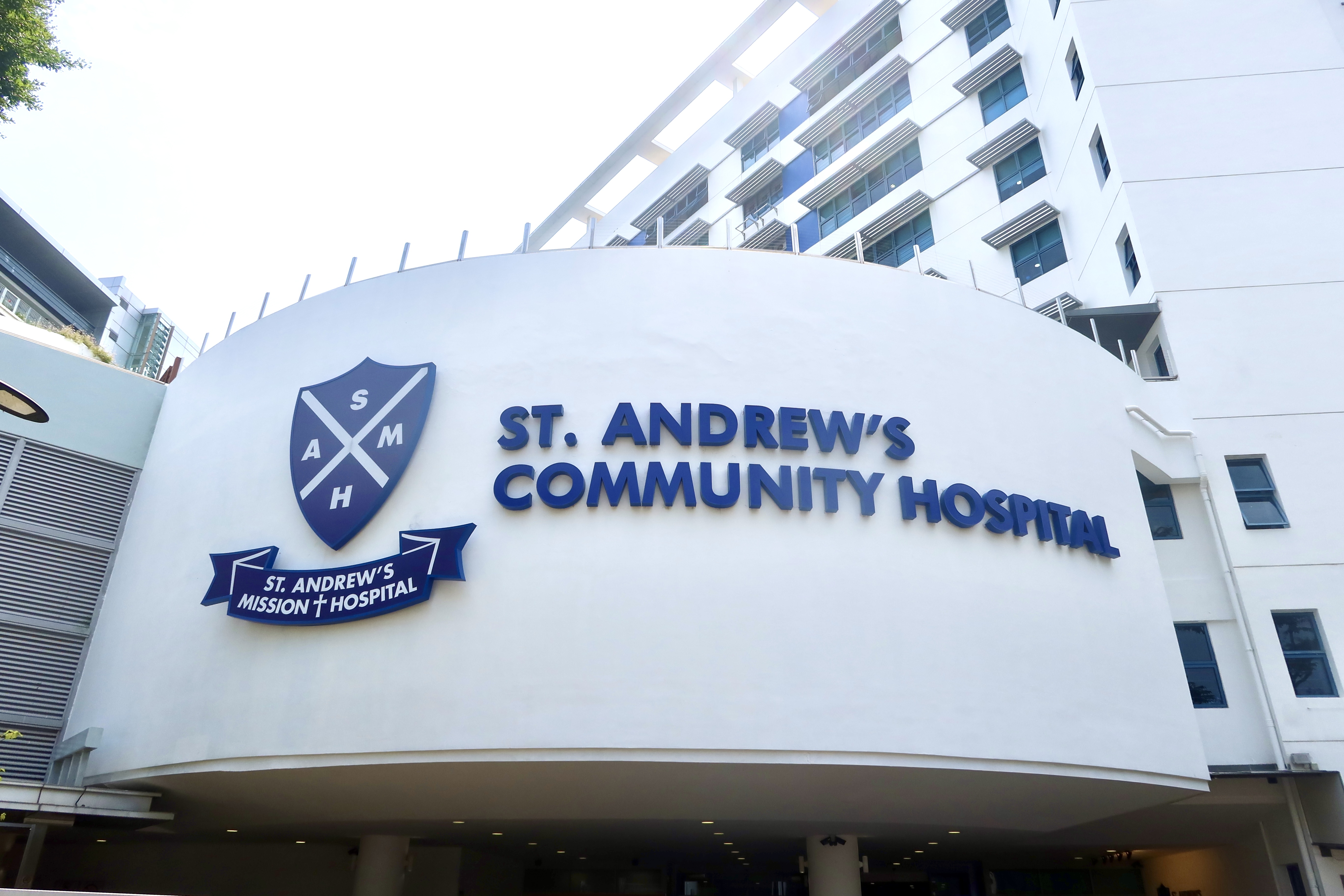
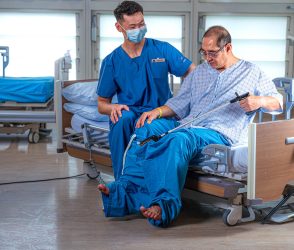
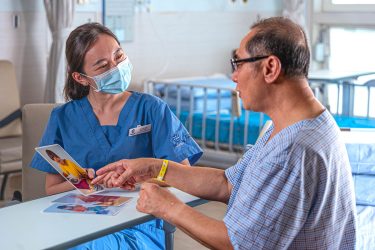
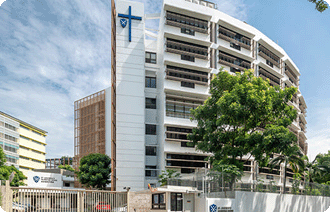

- Community hospital located in Simei, Singapore. :contentReference[oaicite:71]{index=71}
- Focuses on rehabilitation, sub‐acute care, transition from acute hospital to home/community care.
- Good option for post-acute recovery rather than initial acute admission.
20. ### Bright Vision Community Hospital
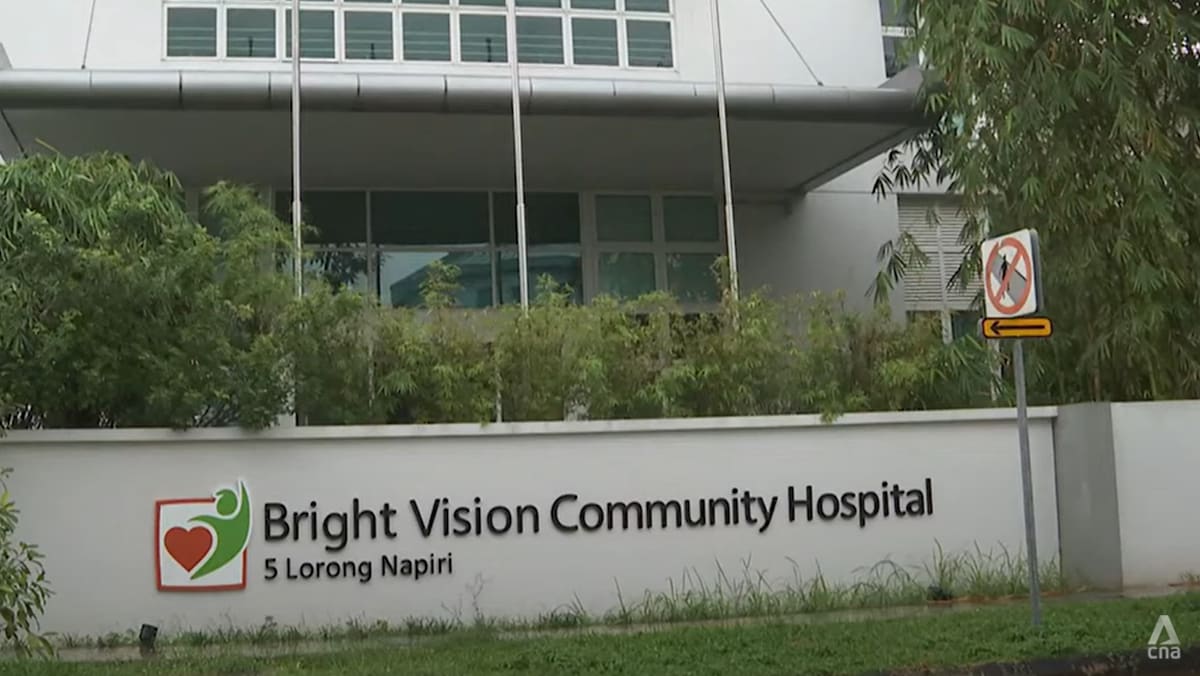





- Community hospital in Singapore (specialised in intermediate and long-term care). :contentReference[oaicite:74]{index=74}
- While not acute or tertiary-level, nonetheless part of the healthcare ecosystem and worth noting for patients transitioning out of acute hospitalisation.
How to Choose the Right Hospital
Given the list above, how do you decide which hospital to pick? Here are some guiding factors:
- Type of care needed: If you require high-end specialist or complex care (e.g., transplant, neurosurgery, complex oncology), go for tertiary centres such as SGH or NUH. For general acute care and convenience, district hospitals may suffice.
- Public vs Private: Public hospitals are heavily subsidised for citizens and often have large capacity; private hospitals offer more amenities, shorter waits but at higher cost and may not be subsidised for non-residents.
- Location & access: If you are staying in a particular region of Singapore (north, east, west) selecting a hospital nearby may reduce travel time, important for emergency or regular visits.
- International patient services: If you are an international patient or medical tourist, private hospitals like Mount Elizabeth, Gleneagles, Raffles may offer better concierge services, streamlined admissions and English‐speaking staff.
- Cost & insurance coverage: Confirm what treatments are covered, expected bills, whether your insurer recognises the hospital, etc.
- Waiting times & access: Some hospitals may have longer wait times for non-emergency care. Private hospitals may offer earlier appointments.
- Rehabilitation & follow-up: Post-acute or recovery might require access to community hospitals or rehabilitation wards (e.g., St. Andrew’s Community Hospital) — important for longer treatments.
- Language & comfort: Singapore is English-speaking; many hospitals cater to international patients with multilingual staff, translation, international units.
Why These Hospitals Make the Top List
Several of the hospitals listed above receive international recognition, high rankings, accreditation and strong reputations:
- Newsweek / Statista ranking lists show SGH among the world’s best hospitals. (Statista Rankings)
- Brand Finance report notes that Singapore’s university hospital clusters (including NUH, SGH, TTSH) are among the global top 250. (Brand Finance)
- Multiple sources for expats recommend hospitals such as Gleneagles, Mount Elizabeth, Raffles for high standards and international patient services. (ExpatDen)
- Government listings show a wide spectrum of acute, community and specialist hospitals, demonstrating Singapore’s strong healthcare infrastructure. (Wikipedia)
Tips for International Patients and Visitors
If you are a visitor, expat or medical tourist considering hospital care in Singapore, keep these in mind:
- Check if the hospital has an International Patient Services (IPS) or Medical Tourism unit. Many private hospitals and some public ones have dedicated staff to assist.
- Confirm whether your insurance will cover treatment in Singapore, whether pre-approval is required, and what the out-of-pocket cost might be.
- Ask about estimated costing, deposit requirements, refund policies, and whether hospital staff speak your language / offer translation.
- Ensure you understand the logistics: hospital location, visa or entry requirements (for medical stay), how follow-up care will work.
- For elective surgeries, schedule preliminary consults well in advance, inquire about waiting time for operating theatre, and plan accommodation and after-care.
- For urgent/emergency scenarios, ensure the hospital has the relevant specialist and intensive care capabilities. Public hospitals may be more economical but buses/travel time could matter.
- After discharge, check whether the hospital offers outpatient follow-up, coordination with local doctors, or telehealth support (especially if you return home).
- Consider language/culture — Singapore is multicultural, many hospitals are very international-patient friendly, but it’s wise to confirm.
- Ask about accreditation (eg Joint Commission International, JCI) and hospital rankings to gauge quality. Many Singapore hospitals hold such recognitions.
- If you will be staying in the country for more than just treatment (accompanying persons etc), factor in accommodation, transport, and other support services.
SEO & Blogging Considerations for This Post
Since you are writing this for your WordPress blog (and your requirement includes long-form content, FAQs, meta description, tags etc), here are some optimisation pointers:
- Use clear headings (H1 for main title, H2/H3 for hospital names) so search engines can crawl properly.
- Use keyword variations: “top hospitals in Singapore”, “best hospitals Singapore for expats”, “Singapore hospital ranking”, etc.
- Ensure this post has length (3000+ words) — which we’re providing — and includes the 50 FAQs (which signal depth).
- Use internal linking (if you have other blog posts on related Singapore health topics) and external linking (to credible hospital websites or government white papers).
- Make sure the mobile experience is good (many readers will view on phone). Use bullet points, sub-sections, images (we include image groups) to break up text.
- Ensure meta description & tags are well-crafted (we’ll provide a comma-separated list for you).
- Use schema markup where possible (for hospital list, FAQ schema) which helps Google recognise the FAQs and may result in rich snippets.
- Provide value — which the FAQs deliver — so users spend time on the page (this is good for engagement metrics).
- Provide images (with alt text) as visual cues (we’ve indicated image groups).
- Ensure page is plagiarism free and human-written in tone (we’ll keep the tone conversational yet professional).
- Possibly include a downloadable summary or table for easy reference (could help link-backs & shares).
50 Frequently Asked Questions (and Detailed Answers)
Below are 50 FAQs that cover virtually everything a patient, visitor or medical traveller might want to know about hospital care in Singapore, especially relating to the top hospitals listed above.
1. What makes a hospital “top” in Singapore?
A hospital may be considered top in Singapore based on criteria such as: the breadth of specialties offered (including tertiary/super-specialist care), patient outcomes, international accreditation (e.g., JCI), ranking by independent organisations, reputation among clinicians, infrastructure, ability to handle complex cases, strong international patient services, and positive patient experience. For example, SGH has been ranked as “world’s best” by Newsweek based on such combined criteria. (HealthXchange)
2. Are public hospitals in Singapore good for international patients?
Yes — many public hospitals in Singapore provide high quality care comparable with global standards. However, for international patients some considerations apply: you may not receive the same subsidised rates as residents, waiting times might be longer for non-resident patients, and concierge/international patient services may be less developed than in private hospitals. Still, public hospitals are very robust, especially for urgent or complex care.
3. What are the advantages of private hospitals versus public hospitals in Singapore?
Private hospitals typically offer shorter waiting times for elective procedures, more luxurious amenities (private rooms, concierge services), and more flexibility in choice of doctors. They tend to cater heavily to international patients. Public hospitals are generally more cost-efficient (for local residents), have large capacity, and extensive specialty services, but may involve longer waits and less premium amenities.
4. What is the cost difference between private and public hospitals?
Costs vary widely depending on procedure, room class, insurance coverage, complexity, length of stay, etc. As a rough rule: private hospitals cost more due to higher room classes, consultant fees and sometimes imported technologies, whereas public hospitals may have subsidised rates (for residents) and standard wards. If you’re an international patient, you’ll want to obtain an estimate from the hospital in advance (see medigence list). (MediGence)
5. Do these top hospitals accept international patients?
Yes — many of the private hospitals listed (Mount Elizabeth, Gleneagles, Raffles, Parkway East, etc) explicitly market international patient services or medical tourism support. Some public hospitals also treat international patients, but the process might differ. Always check with the hospital’s International Patient Services or global liaison team.
6. How do I book an appointment or admission?
Most hospitals provide online appointment booking, email/phone contact for international patients, and some even offer tele-consults to pre-screen. For admission, especially for international patients, you may need to provide medical records, passport/visa details, insurance information and pay a deposit. For public hospitals, referrals from local doctors may be required for some services.
7. What kind of specialties do these hospitals cover?
All the hospitals in the list cover general acute care (medicine, surgery) and many subspecialties. Some specialise: e.g., KK Women’s & Children’s Hospital focuses on obstetrics, gynaecology and paediatrics; Institute of Mental Health focuses on psychiatric care. Tertiary hospitals like SGH/NUH cover highly complex specialties (transplantation, neurosurgery, oncology). Private hospitals often offer multi-specialty but may focus on electives and international care.
8. Are the doctors and surgeons highly qualified?
Yes — Singapore hospitals maintain high standards of medical training, many have affiliations with universities, and many doctors have international fellowships. Teaching hospitals like NUH and SGH also train future clinicians, making them academically strong. This ensures both clinical and academic excellence (research, teaching). (NUH)
9. What about accreditation and quality assurance?
Many hospitals have accreditation from bodies such as the Joint Commission International (JCI) or other global/ regional quality standards. This helps ensure patient safety, clinical governance and high standards. When selecting a hospital, you can ask for its accreditation status.
10. Will I face language or cultural barriers?
Singapore is highly multicultural and English is one of the main languages in healthcare. Many hospitals have translation/interpretation support for international patients. Cultural sensitivity is generally high. However, if you require a specific language, it’s good to confirm ahead of time with the hospital’s international patient services.
11. How long is the waiting time for elective surgery?
Waiting times vary by hospital, specialty and urgency. Private hospitals often have shorter waiting periods because of elective case prioritisation and private patient flow. Public hospitals may have longer waits, especially for non-urgent cases and if you are a non-resident or non-subsidised patient. It’s advisable to request expected waiting time when booking.
12. Is Singapore safe for medical tourists?
Yes — Singapore is widely considered safe for travel and medical tourism. Hospitals maintain high standards of hygiene, patient safety protocols, and legal/regulatory oversight. That said, as with any travel for healthcare, proper planning (visa, accommodation, follow-up, travel insurance) is recommended.
13. What about follow-up care after discharge?
Most hospitals offer follow-up outpatient care and some telehealth services, especially for international patients who may return home. It’s important to ask about follow-up arrangements: will you need to stay in Singapore for a period? Can you see your local doctor with hospital‐provided discharge summary? Does the hospital offer remote monitoring?
14. How do I know which hospital is best for my condition?
Start by consulting your current physician (in your home country) and ask for the nature of your condition (general, specialist, complex). If your condition is very complex (e.g., transplant, rare cancer), choose one of the tertiary referral hospitals (SGH, NUH). If it’s a general acute or elective procedure, a private hospital may suffice. Consider location, budget, insurance and comfort. You can also ask each hospital for their track record in your specific condition.
15. Do Singapore hospitals treat non-resident foreign patients?
Yes — many do, particularly the private hospitals and some public ones. However, as a non-resident you may not qualify for subsidies and will need to pay full private rates. Some hospitals have specific international patient programmes and may require upfront payments or deposits.
16. How do costs compare globally? Is Singapore expensive?
Singapore tends to be more expensive than many regional hospitals in Southeast Asia, but offers higher standards of care, safety, infrastructure and reputational assurance. For many patients the trade-off of price vs quality/safety is favourable. Always obtain quotes and compare comparable hospitals globally. The “medical tourism” section indicates Singapore is a premium destination. (MediGence)
17. What should I check before hospital admission?
Before admission check:
- Detailed cost estimate (including room class, surgeon/anaesthetist fees, implant/device costs, medicines)
- Insurance coverage and whether hospital is recognised by your insurer
- Visa / travel arrangements (for overseas patient)
- Post-discharge follow-up plan
- Hospital’s international patient services / language support
- Cancellation and refund policy (if elective)
- Whether you need referral or prior investigations.
18. Is the cost for international patients different from locals?
Yes — international (non-Singapore resident) patients often pay higher rates than subsidised local residents. It’s essential to ask the hospital what rate you will be charged and whether there are separate international patient packages.
19. Are there hospital packages for medical travellers?
Yes — some hospitals offer packages (e.g., for specific procedures, health screenings, etc) targeted at international patients, which may include accommodation, transport, translator services, concierge. Private hospitals especially may offer such packages. When exploring hospitals, ask if they have “international patient services” or “medical tourism coordinator”.
20. How do local residents get subsidised care vs private patients?
For Singapore citizens and permanent residents, public hospitals offer subsidies based on eligibility and means. Private hospitals may not be subsidised. Foreign patients typically are treated as private patients and pay full cost. This affects budget planning.
21. What about emergency care?
All major acute hospitals (public) have emergency departments and can handle urgent cases. For example, Changi General Hospital, Tan Tock Seng Hospital, etc. If you are overseas and need urgent care, going to a well-equipped public hospital is advisable. For international patients elective only, ensure that the hospital’s ER and ICU capability matches your condition.
22. Are there particular hospitals in Singapore for specific specialties?
Yes. For example:
- KK Women’s & Children’s Hospital is dedicated to women and children’s health.
- Institute of Mental Health is specialised in psychiatric care.
- Some private hospitals may specialise or have strong departments in orthopaedics, cardiac surgery, oncology, etc. (e.g., Mount Elizabeth, Gleneagles)
Thus, choose a hospital with a strong track record in your required specialty.
23. Is accommodation for family/caregivers available?
Yes — most private hospitals provide accommodation services (family rooms, guest rooms, hotels nearby) for accompanying family/caregivers. Some public hospitals may have limited guest accommodation; it’s best to check. For international patients, this can be a key convenience factor.
24. How do I verify a hospital’s credentials or ranking?
You can check: accreditation (JCI or other international accreditors), hospital website (specialty centres, research output), independent rankings (e.g., Newsweek/Statista list) (Statista Rankings)
You can also ask for hospital outcomes (if available), patient testimonials, and see if the hospital is affiliated with a major university or teaching institution.
25. How is post-operative care handled for international patients?
Post-operative care may include inpatient stay, outpatient follow-up, physiotherapy/rehabilitation, and in some cases coordination with your home country doctor. Some hospitals provide tele-consultation follow-up for overseas patients. Arranging this in advance is wise, especially if you will be returning home shortly after discharge.
26. Are hospitals in Singapore technologically advanced?
Yes — many hospitals in Singapore invest in advanced diagnostics, robotics, imaging, AI tools, digital health platforms and smart hospital infrastructure. For example, NUH mentions “new AI tools … boosting operational efficiency and elevating standards of care”. (NUH)
27. Will I get a detailed medical report for travel/insurance purposes?
Yes — hospitals provide discharge summaries, medical reports, imaging reports, etc. For insurance claims or travel purposes, request from the hospital’s medical records department or international patient services.
28. What about language of billing and documentation?
Hospitals in Singapore typically provide billing in English. Documentation, discharge summaries and reports are also in English. If you need translation, it can often be organised through international patient services (may incur cost).
29. How about insurance coverage – what should I look out for?
Check whether:
- Your insurer covers treatment in Singapore (in-network hospitals)
- Pre-authorisation is required
- Any exclusions for international travel / medical tourism
- Separate international patient insurance if you are travelling for treatment
- Whether you can transfer care home after discharge.
Also, get the hospital’s cost estimate and ensure you understand what is excluded (implant/device cost, medicines, airfare, accommodation for companion).
30. What is the visa or entry requirement for medical travel to Singapore?
If you are an international patient (non-Singapore citizen/resident), you may require a medical visa/entry permit depending on your country of origin. It’s best to check with Singapore’s immigration authorities, and coordinate with the hospital’s international patient services who often help with visa invitation letters.
31. Is there a difference in cost for room types (ward vs private room)?
Yes — room class significantly affects cost. A standard ward (multiple beds) is cheaper; a private single room costs more and may include extra amenities. Clarify which room type your estimate is based on.
32. What happens if I need insurance to cover an extended stay (for follow‐up or complications)?
You should check with the hospital and insurance company: will your coverage extend? What happens if you need to stay longer than planned? Are there out-of-pocket caps? Ensure you have contingency funds or confirm hospital arrangements for extended stays.
33. Can I bring my own doctor from my home country or request a specific specialist?
Typically you can request a specific specialist, especially in private hospitals, subject to availability. Bringing your own doctor may be possible but may involve additional cost and logistical arrangements. It’s best to coordinate early with the hospital.
34. What about diagnostics and second opinions?
Many hospitals allow second opinions (sometimes via telehealth). If you are uncertain about your diagnosis/treatment plan, consider arranging a second opinion before admission. Also check if the hospital offers multi-disciplinary team (MDT) discussions for your condition.
35. What is the role of rehabilitation or post-acute care in Singapore?
After surgery or major treatment, rehabilitation and post-acute care are crucial for full recovery. Some hospitals have in-house rehab wards; others refer to community hospitals (e.g., St. Andrew’s Community Hospital). If your condition requires long‐term rehab, ask about the hospital’s rehabilitation pathway and whether transfer to a community hospital is available.
36. Are there language/telehealth services for follow up when I return home?
Many hospitals increasingly provide telehealth/remote follow-up services. When choosing a hospital, ask whether they offer post-discharge tele-consults, how they coordinate with your local physician, and how patient data/records will be managed.
37. If complications occur after discharge (back home), how will that be handled?
You should ask the hospital: what happens if you have complications after returning home? Will they offer tele-consult? Will they accept readmission? What are the costs? It may also be important to coordinate care with a local hospital in your home country for continuity.
38. How far in advance should I plan for elective treatment?
For international patients, at least several weeks in advance is advisable. This allows time for: initial consultation, diagnostics, obtaining medical records, visa/travel arrangements, cost estimation, accommodation planning, and possibly pre-op optimisation (if any). Private hospitals may allow quicker planning, but still plan ahead.
39. What is the difference between acute hospital and community hospital in Singapore?
An acute hospital handles immediate, serious medical/surgical conditions and emergencies. A community (or sub-acute) hospital focuses on rehabilitation, intermediate care, chronic care, and transition from acute-care to home. For example, St. Andrew’s Community Hospital is a community hospital. (Wikipedia)
40. Are Singapore hospitals well equipped for infectious diseases or pandemic situations?
Yes — Singapore’s healthcare system has robust infrastructure for infectious disease control. Some hospitals integrate national centres (for example, Tan Tock Seng Hospital includes the National Centre for Infectious Diseases) and have beds designated for outbreak containment. (Wikipedia)
41. What should I expect in terms of hospital stay (length, amenities) in private vs public hospitals?
In a public hospital, you might expect a standard ward, more patients per room, and more cost-efficient care. In a private hospital you may get a private room, more amenities (television, WiFi, gourmet meals) and more personal nursing care, but at higher cost. Length of stay depends on your condition; the hospital should give you an estimated stay as part of your admission plan.
42. Can I use health insurance from my home country in Singapore?
Potentially yes, but you’ll need to check: whether your insurer recognises Singapore hospitals, whether treatment abroad is covered, whether you need prior authorisation, and whether there are exclusions. Some insurers may treat your Singapore hospital stay as an out-of-network or international claim with higher cost. Always check before arrival.
43. What hospital list should I give to my family or emergency contacts in Singapore?
If you are travelling to Singapore for treatment or staying for some time, share: hospital name, patient ward/room number, consultant name, contact numbers, hospital international patient services contact, local accommodation details, local doctor/follow-up plan. Make sure your family or escort knows how to reach the hospital in an emergency. Choose a hospital in your region for convenience.
44. How does Singapore compare with other medical tourism destinations in Asia?
Singapore is often regarded as one of the top destinations for medical tourism due to its safety, English‐speaking environment, advanced infrastructure, international accreditation, and high standard of care. While costs may be higher than some neighbouring countries, the value proposition (quality, reliability, comfort) is strong. Many resources list Singapore hospitals among recommended choices for expats and visitors. (Pacific Prime)
45. What paperwork do I need for admission as an international patient?
Typical paperwork includes: passport/ID, visa/travel documents, previous medical records (diagnostic reports, imaging, histopathology), insurance or proof of ability to pay, contact details of local doctor/family, medical history, and possibly translation of documents. The hospital will send you a pre-admission checklist once you contact them.
46. Can I stay with my spouse/relative in the hospital?
Most hospitals allow an accompanying person or caregiver to stay (depending on room class and rules). Private hospitals often have guest rooms, family zones, or accommodating arrangements for a caregiver. Confirm visitor/guest policies with the hospital ahead of time.
47. Does the hospital coordinate with local doctors after discharge?
Yes — many Singapore hospitals coordinate with referring doctors (including overseas doctors) by providing discharge summaries, reports, and arranging follow-up tele-consult. Always confirm the hospital’s policy on shared care and post-discharge coordination.
48. What about emergencies outside Singapore hours (night/weekend) for international travellers?
Singapore hospitals have 24/7 emergency departments at acute care hospitals (public). If you are staying temporarily, identify the nearest hospital with an ER and keep contact details handy. It is advisable to have travel insurance that covers emergency treatment abroad and evacuation if needed.
49. How do I estimate total cost including stay, treatment, travel and accommodation?
To estimate total cost you should include: hospital treatment (surgery/consult/room/medication), surgeon & anaesthetist fees, diagnostics, implants/devices, length of stay, pre-op investigations, post-operative care/rehab, travel (airfare), accommodation for patient & caregiver, local transport, insurance, contingency fund for delays or complications. Ask the hospital for a detailed quote and compare with your budget.
50. Is there any special consideration for older patients or patients requiring long-term rehabilitation?
Yes — older patients or those requiring long-term rehabilitation may need hospital beds, followed by transfer to rehabilitation or community hospital, and possibly home care services. Ensure the hospital you choose has good rehab services or links to community hospitals (e.g., St. Andrew’s Community Hospital). Confirm discharge planning and follow-up care. Also check for age-based risk factors, mobility assistance, accommodation of caregiver, accessibility and transport logistics.
Final Thoughts
Singapore offers one of the best healthcare ecosystems in the Asia-Pacific region — high quality, international standards, and strong infrastructure. Whether you are a local resident, expat or a medical traveller, the 20 hospitals listed above provide a reliable starting point for your research.
Make sure you align your choice of hospital with your healthcare need, budget, location convenience, and post-treatment care. Use the FAQs above to guide your planning, travel arrangement and discussions with the hospital.
If you like, I can create a downloadable table or infographic summarising the top 20 hospitals (with specialties, bed-capacity, location, contact info) to include in your blog post for better engagement. Would you like me to prepare that?
Want a quick walkthrough of Hospi?
We offer gentle, no-pressure demos for hospitals, labs & clinics.
Or call us directly: +91 8179508852