
Looking to modernize your Hospital, Lab or Clinic?
Hospi is trusted across 25 Indian states for billing, EMR, lab reports, automations & more.
Gqeberha (formerly known as Port Elizabeth) in the Eastern Cape province of South Africa is home to a strong mix of public and private hospitals offering a broad spectrum of medical services. Whether you are a local resident, a patient seeking specialist care, a medical tourist, or someone supporting a loved one, knowing your hospital options is important. In this article we profile twenty notable hospitals in Gqeberha — including leading private specialist centres, major public referral hospitals, day-surgery units and some niche facilities. For each institution we highlight what makes it stand out, what special services are available, and why a patient might choose that facility.
Here is the list, in no strict ranking order, simply to present you with 20 credible options:
1. Netcare Greenacres Hospital
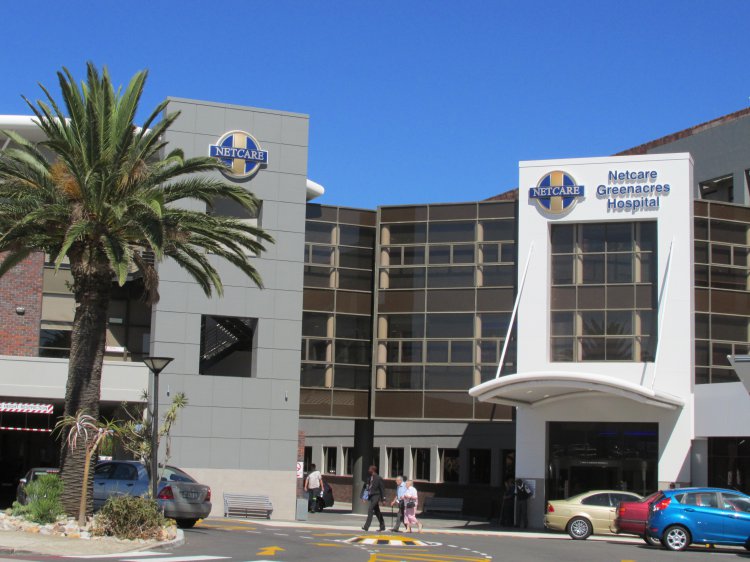
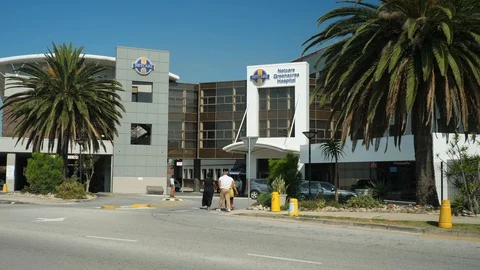


Located in Greenacres, Gqeberha, Netcare Greenacres Hospital is one of the larger private hospitals in the region. The facility features approximately 340 beds, a 24-hour emergency department, 14 operating theatres and two cardiac catheterisation labs. (nmbt.co.za)
Its specialties include cardiology (including paediatric cardiology and electrophysiology), cardio-thoracic surgery, neurosurgery, obstetrics, orthopaedics, plastic & reconstructive surgery and vascular surgery. (nmbt.co.za)
Why choose this hospital? If you are seeking a high-level private referral hospital with advanced intensive care, cardiology and surgical facilities, this is a strong option in Gqeberha.
Tip: For those using medical aid or travelling from outside the region, check for dedicated patient liaison services and accommodation assistance near Greenacres.
2. Life Mercantile Hospital
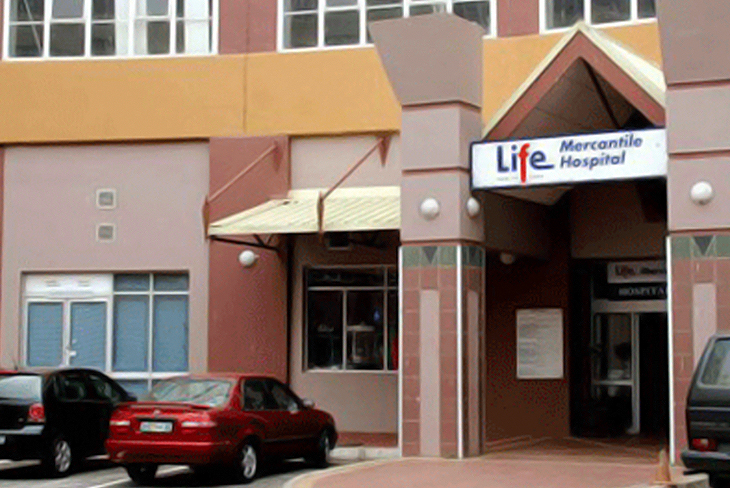


Located at the corner of Kempston & Durban Roads, Korsten, Gqeberha, this hospital has about 202 beds and five theatres. (lifehealthcare.co.za)
Noteworthy features: a maternity unit and neonatal intensive care unit awarded the “Mother & Baby Friendly” status since 2017; a 24-hour renal dialysis unit; a full suite of surgical and medical specialties including neurosurgery, cardiothoracic surgery, urology and vascular surgery. (lifehealthcare.co.za)
Why choose this hospital? Excellent for obstetrics/neonatal care and dialysis patients. Also strong for multi-specialty private surgery and treatment.
Tip: For expectant mothers, confirming visiting hours, neonate support policies and partner access is advisable (they list visiting times explicitly). (lifehealthcare.co.za)
3. Life St George’s Hospital
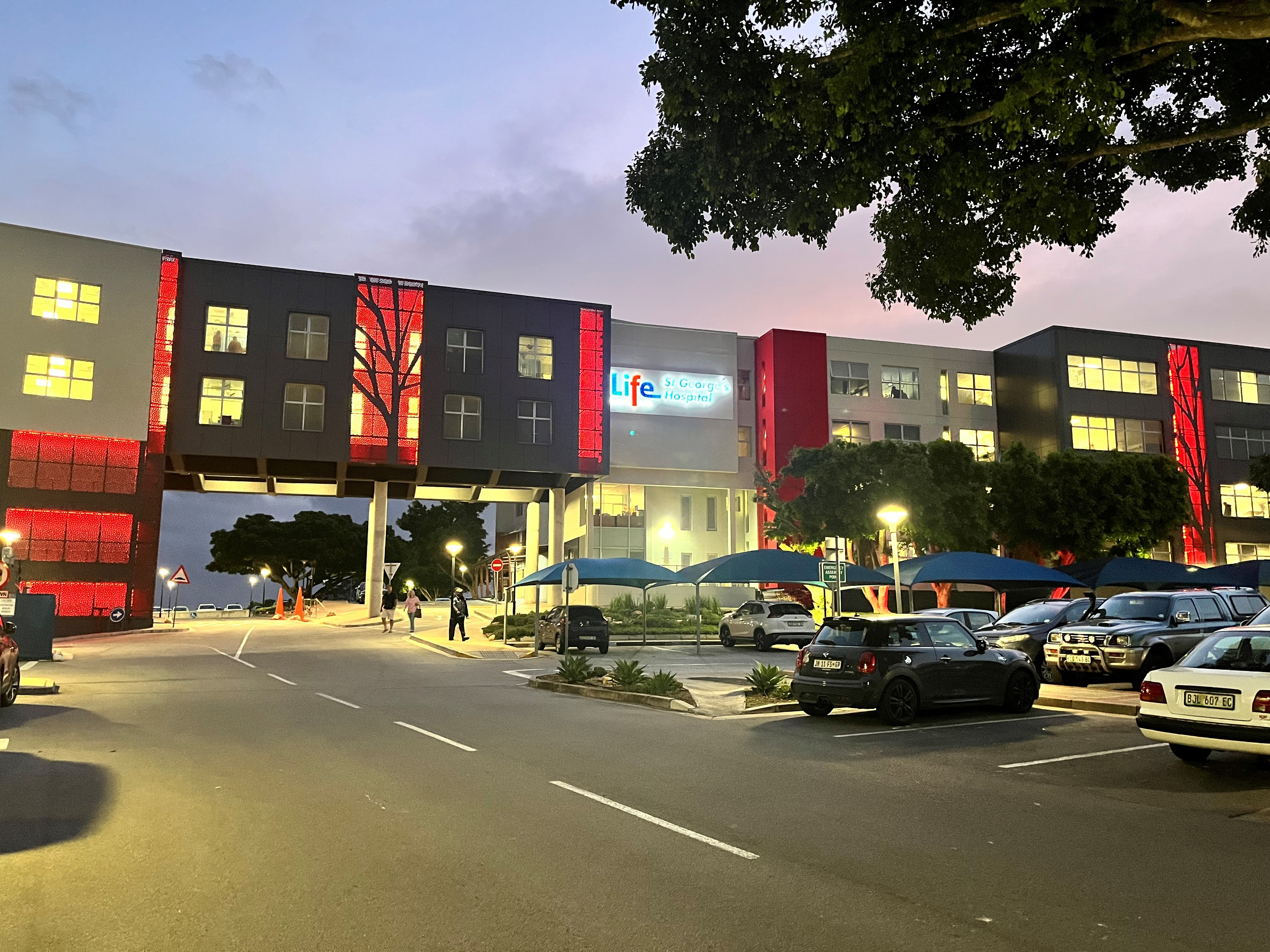



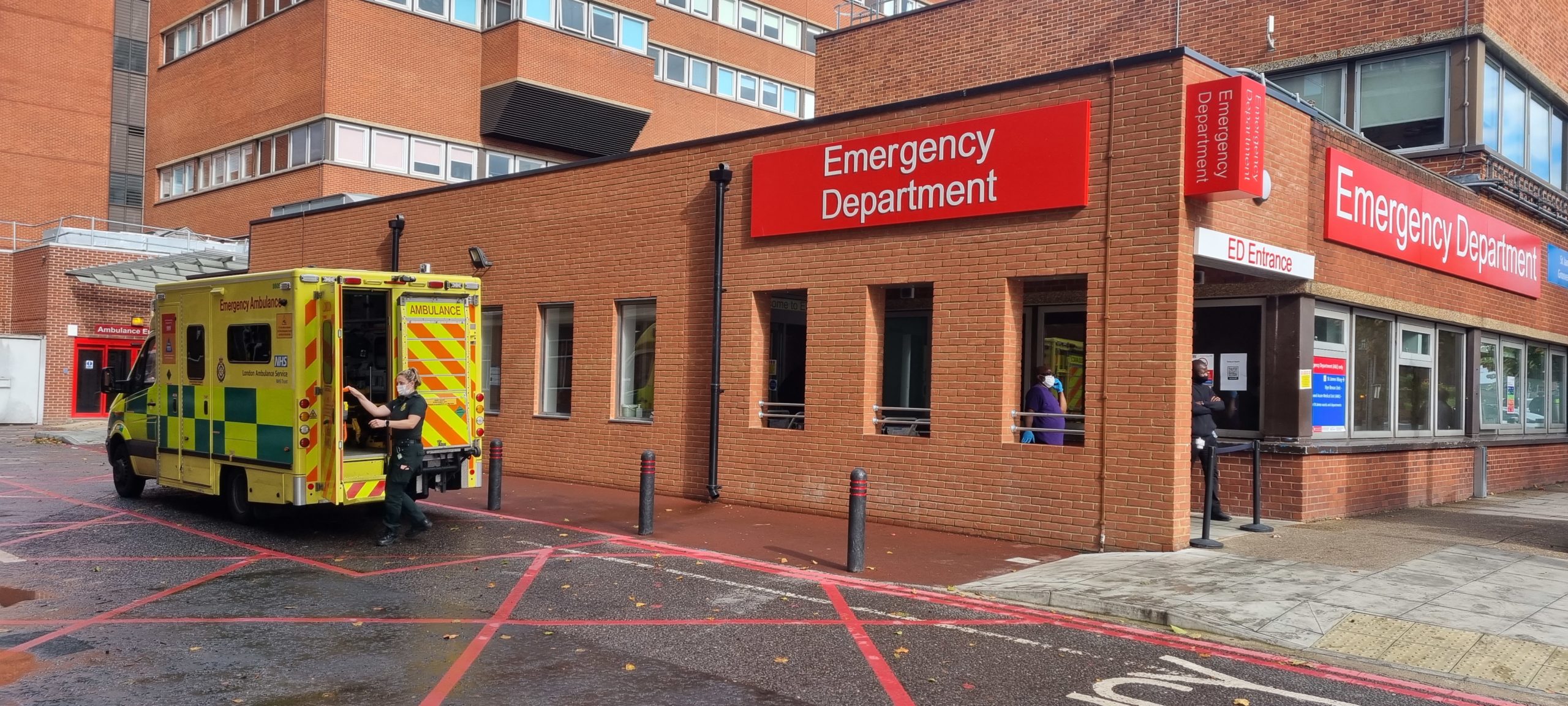
Situated at Ground Floor, 40A Park Drive, Gqeberha. (pathcare.co.za)
While the publicly-available data is more limited, it forms part of the Life Healthcare private hospital group and provides quality private care in the region (via PathCare listing).
Why choose this hospital? Another viable private hospital option, especially where patient preferences or medical aid networks favour the Life Healthcare group.
Tip: Check with your insurer regarding contract status and which specialists are available onsite.
4. Edge Day Hospital
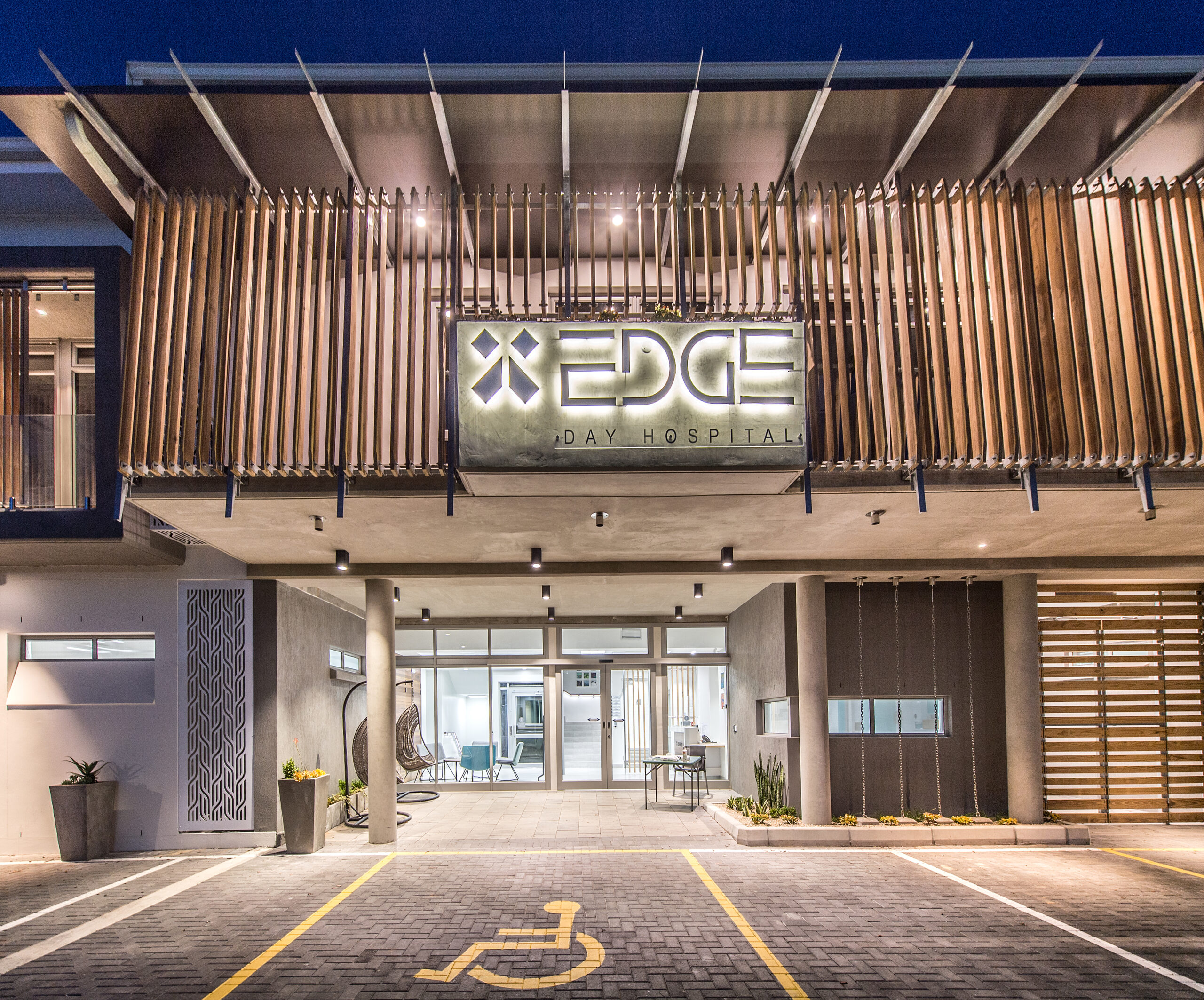



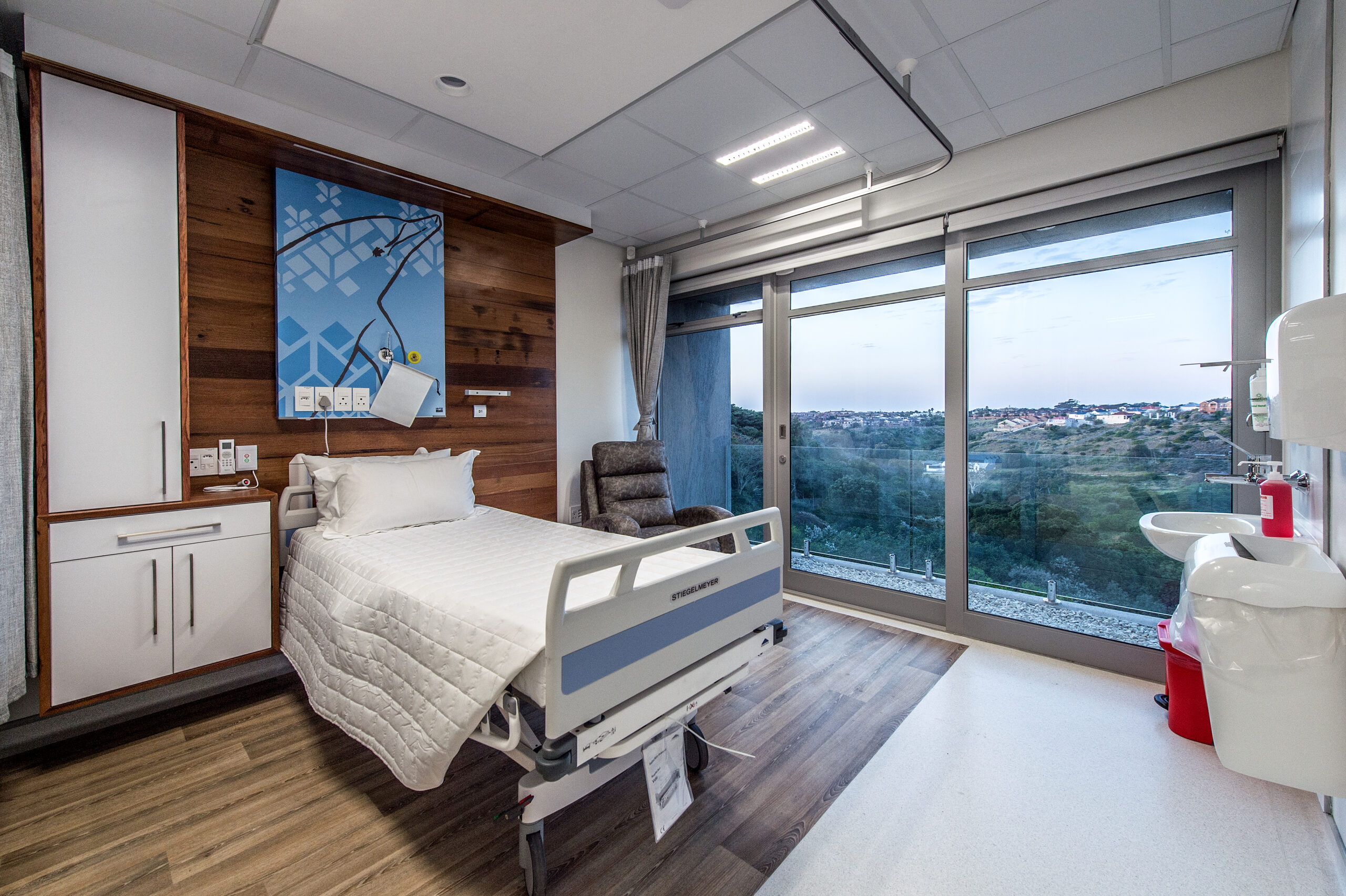
Located at 7 Forbes Ave, Central Gqeberha, 6001. (edgedayhospital.co.za)
This is a day-hospital (ambulatory surgical centre) rather than a full 24/7 hospital, offering multidisciplinary surgical services with state-of-the-art equipment, modern wards and a focus on reduced hospital stay.
Why choose this hospital? Ideal when you need elective surgery, a day procedure or want to minimise expense and hospital time—but still want high-quality care.
Tip: Confirm whether overnight stay is needed for your procedure, and check what happens if complications require transfer to a full-service hospital.
5. Livingstone Hospital
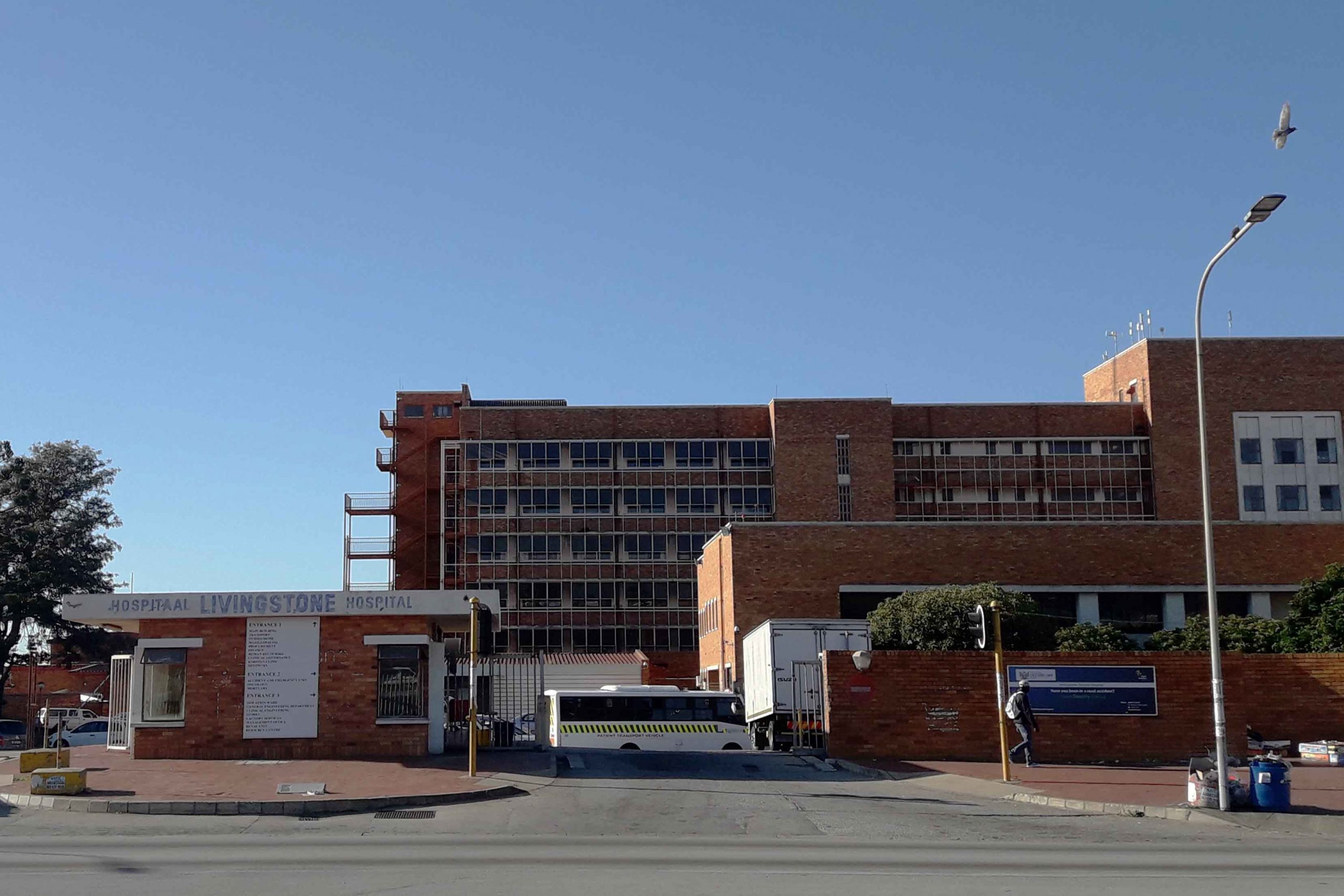

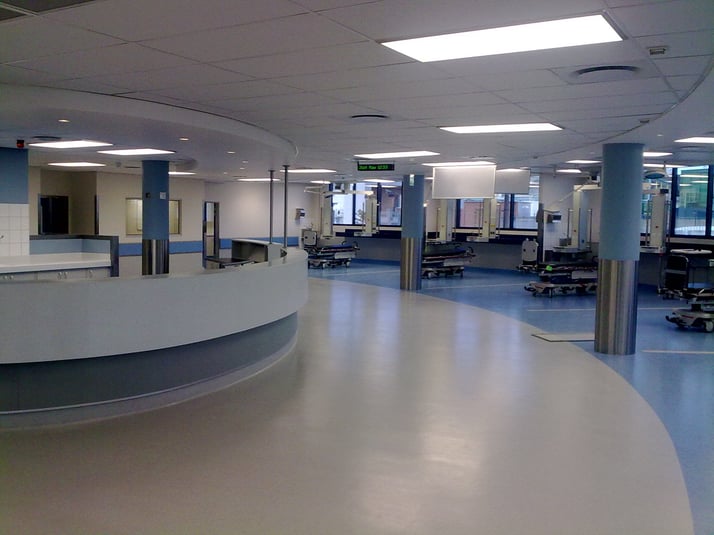


A major public tertiary government-funded hospital, situated in Korsten, Gqeberha. (Wikipedia)
It provides emergency services, paediatric, surgical and medical services, anti-retroviral treatment (HIV/AIDS), physiotherapy, occupational therapy and more. (Wikipedia)
Why choose this hospital? For patients seeking public sector care, lower cost or who are referred for tertiary or complex services.
Tip: Public hospitals may have longer queue times, and for non-emergency you may need referral — plan ahead.
6. Dora Nginza Hospital

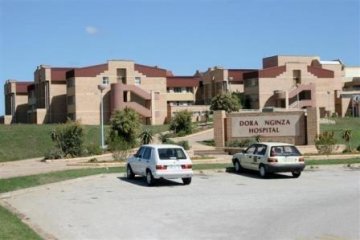
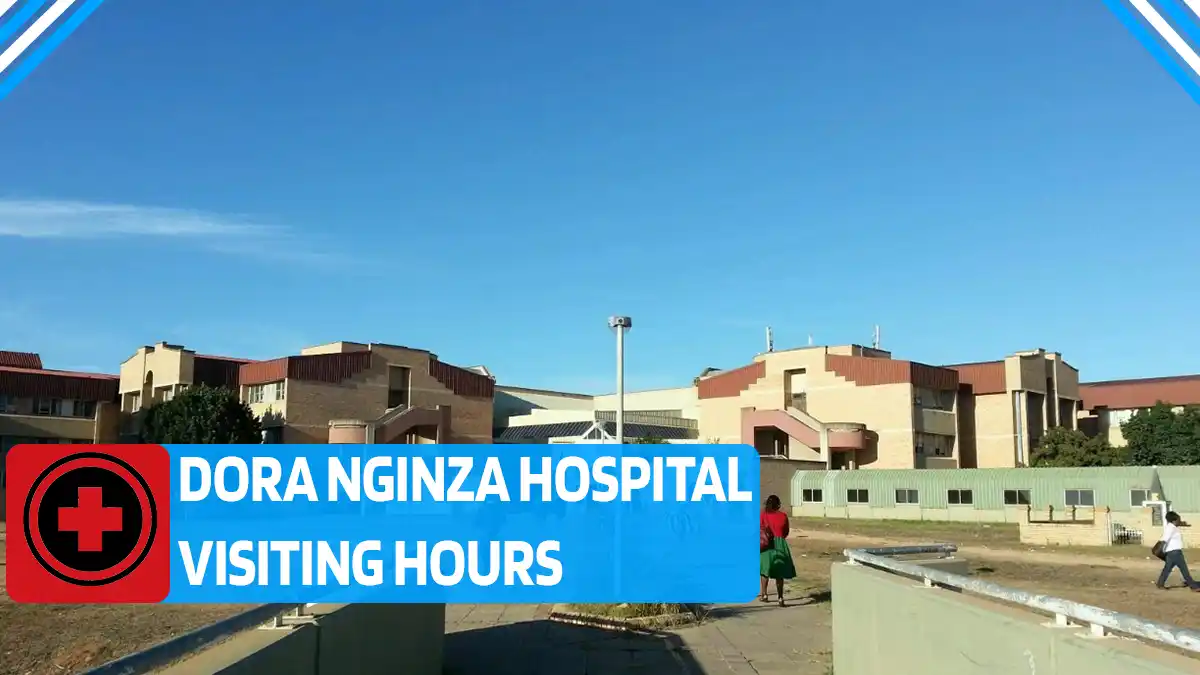

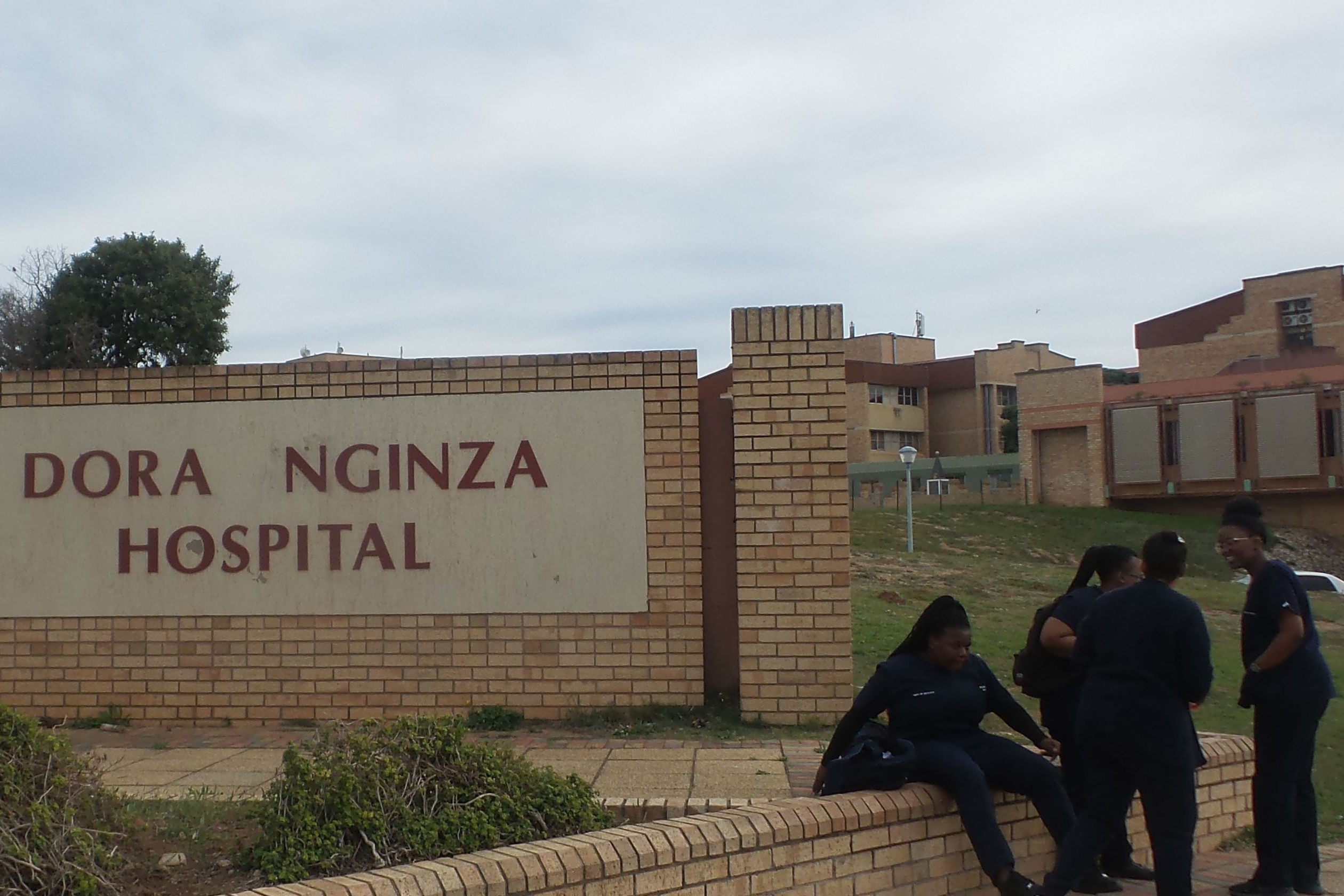

Located in Zwide township of Gqeberha, this is another large provincial government-funded hospital with tertiary functions. (Wikipedia)
It offers emergency services, neonatal and paediatric wards, maternity, psychiatric services including an acute mental health unit, and a functional burn unit which is unique in the region. (Wikipedia)
Why choose this hospital? If you need tertiary public care, specialised units (such as burn unit) or are in the public health system.
Tip: For specialised care (e.g., burns) confirm referral procedures and bed availability in advance.
7. Port Elizabeth Provincial Hospital




A large public tertiary teaching hospital in Mount Croix, Gqeberha. (LekkeSlaap)
It has ~450 beds (per one listing) and offers maternity, paediatrics, surgery, ophthalmology, ARV (HIV) treatment, physiotherapy, X-ray, lab services and more. (LekkeSlaap)
Why choose this hospital? For residents seeking public tertiary care, teaching hospital access and broad specialist services at government cost.
Tip: If you are a medical tourist or out-of-region patient, check how private pay or referrals into the public system work — there may be waiting lists.
8. Elizabeth Donkin Hospital


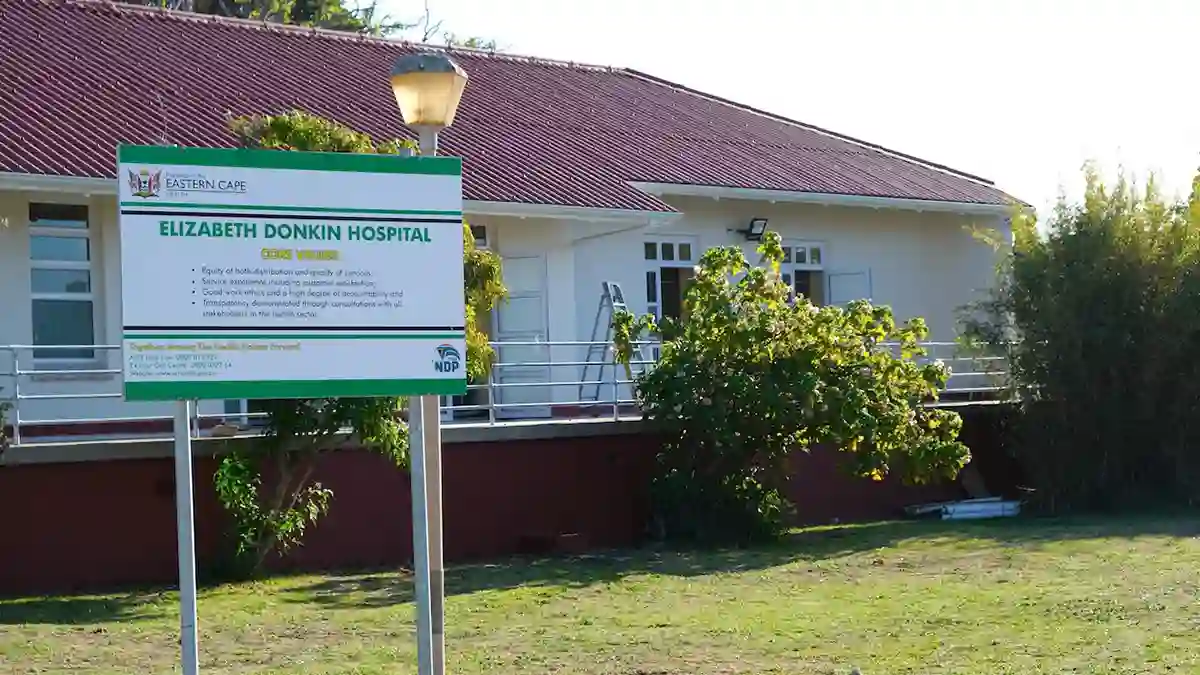



A government-funded psychiatric and rehabilitation centre in Port Elizabeth, Eastern Cape. (Wikipedia)
It focuses on psychiatric care, rehabilitation services and related therapies.
Why choose this hospital? If you or a loved one require mental health inpatient care or rehabilitation in the Gqeberha region.
Tip: Mental health facilities can have distinct admission criteria and referral pathways—check ahead.
9. Jose Pearson TB Hospital


Located in Linton Grange outside of Port Elizabeth, this is a provincial government-funded hospital specialising in tuberculosis (TB) care. (Wikipedia)
Why choose this hospital? If you need TB specialised inpatient care or longitudinal treatment in the Eastern Cape region.
Tip: As a specialist public hospital, ensure you arrive via referral or are eligible under the public TB care programme.
10. Oasim Private Hospital
While I didn’t locate a full dedicated hospital profile via a specific web source beyond the general list, ‘Oasim Private Hospital’ appears in lists of hospitals in Gqeberha. (Wikipedia)
Why include it? Because it indicates there are private hospital options beyond the major brands in the region—worth investigating if you have specific needs.
Tip: If considering this facility, check for accreditation, specialties, patient reviews and whether your medical aid covers it.
11. Nurture Aurora Rehabilitation Hospital
Similarly, this hospital appears in the list of hospitals in Gqeberha. (Wikipedia)
Focus: rehabilitation and sub-acute care, likely private.
Why choose this hospital? Ideal for post-acute rehabilitation—after major surgery, stroke, trauma or prolonged hospital stay.
Tip: Confirm rehabilitative therapy intensity, patient-to-therapist ratio, and what therapies (physio, occupational, speech) are included.
12. Life Hunterscraig Hospital
This hospital is listed under the list of hospitals for Gqeberha in the Eastern Cape. (Wikipedia)
Why include it? Adds depth to your options among private hospital groups like Life Healthcare.
Tip: Investigate the specialties offered here, as some private hospitals specialise in certain segments (maternity, oncology, orthopaedics) rather than full tertiary services.
13. Life St Dominic’s Hospital
Listed under hospitals in the region. (lifehealthcare.co.za)
Why include it? Expands choices in the Life Healthcare network in Gqeberha and surrounding Eastern Cape region.
Tip: Even if slightly outside the city proper, check transport, accommodation and whether medical‐aid tariffs differ.
14. Life St James Hospital
Listed similarly. (lifehealthcare.co.za)
Why include it? Offers further private hospital options; useful if the major centres are full or if you prefer a smaller facility.
Tip: Smaller private hospitals may have less specialist coverage after hours—confirm their 24-hour emergency capability.
15. Nightingale Subacute Hospital
Also appears in the regional list. (Wikipedia)
Focus: sub-acute care, rehabilitation support, transitional care.
Why choose it? If you’re seeking a step down from acute care—for example after major surgery or ICU stay, but still need monitoring and therapy.
Tip: Clarify whether the facility includes inpatient beds or is purely outpatient/sub-acute day care.
16. Westways Private Hospital
Listed under hospitals in Gqeberha. (Wikipedia)
Why include it? Another private hospital option, potentially smaller, which might offer cost advantage or niche services.
Tip: Compare services, rooms (single vs shared), and check if there are specialists you need onsite.
17. Life Beacon Bay Hospital
While technically located in East London, Eastern Cape (not strictly Gqeberha), it appears in Life Healthcare’s Eastern Cape listing. (lifehealthcare.co.za)
Why include? If you are willing to travel in Eastern Cape, this adds a further option; useful in emergencies if local hospitals are full.
Tip: Traveling for care means factoring transport and accommodation for family/support persons.
18. Life Isivivana Hospital
Also listed in the Life Healthcare Eastern Cape portfolio. (lifehealthcare.co.za)
Focus: Could be specialised (e.g., orthopaedic, rehabilitation).
Why include? Adds to the diversity of hospital choice within private networks; useful if you need a specific speciality.
Tip: Confirm hospital accreditation, equipment, ICU availability, and specialist visiting hours.
19. Life Queenstown Private Hospital
Yet another Life Healthcare facility listed for Eastern Cape. (lifehealthcare.co.za)
Why include? If you are exploring regional options in the Eastern Cape (especially if you are outside Gqeberha).
Tip: For local Gqeberha care, concentrate on institutions within city limits or reachable within acceptable travel time.
20. Medical Forum Theatre and Day Hospital
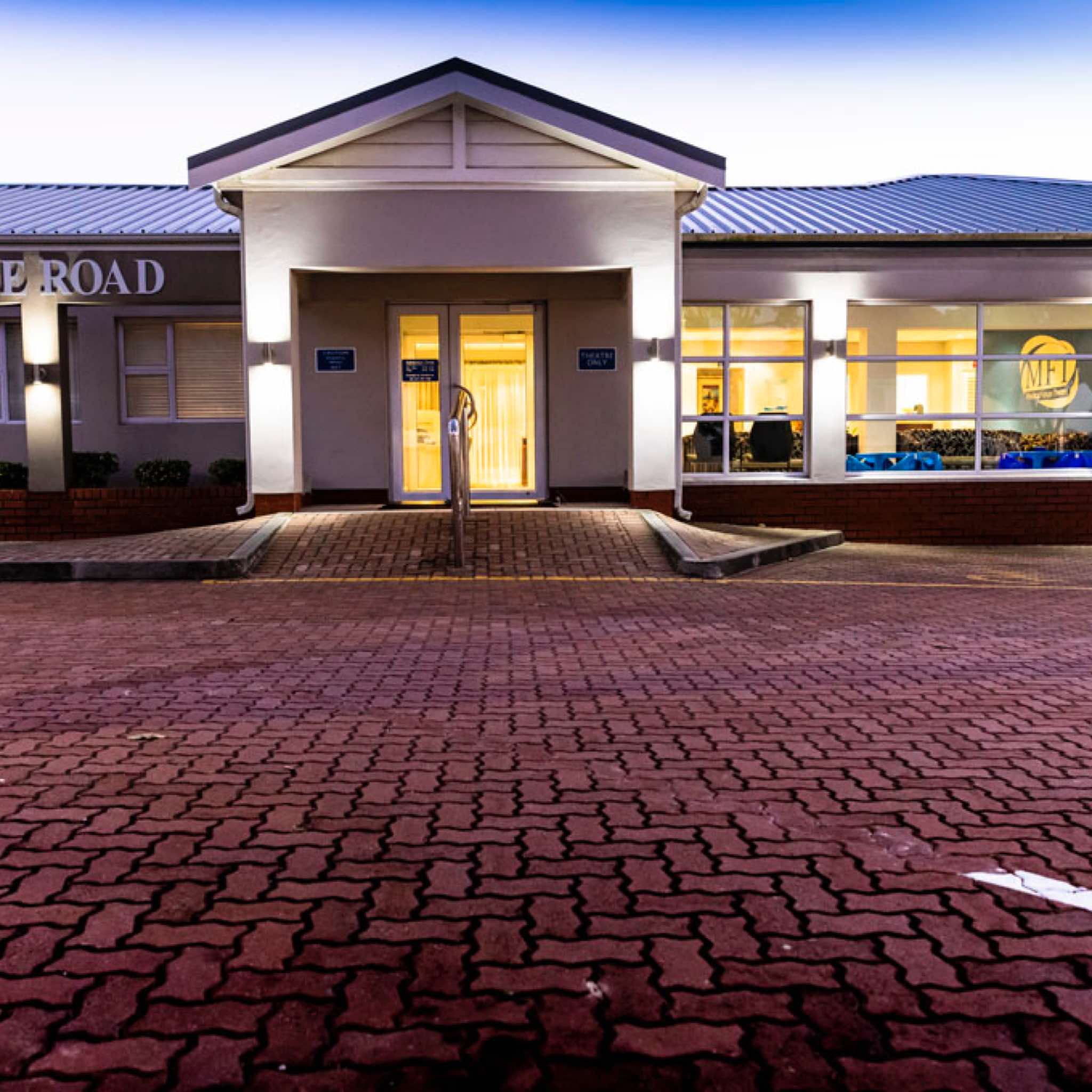

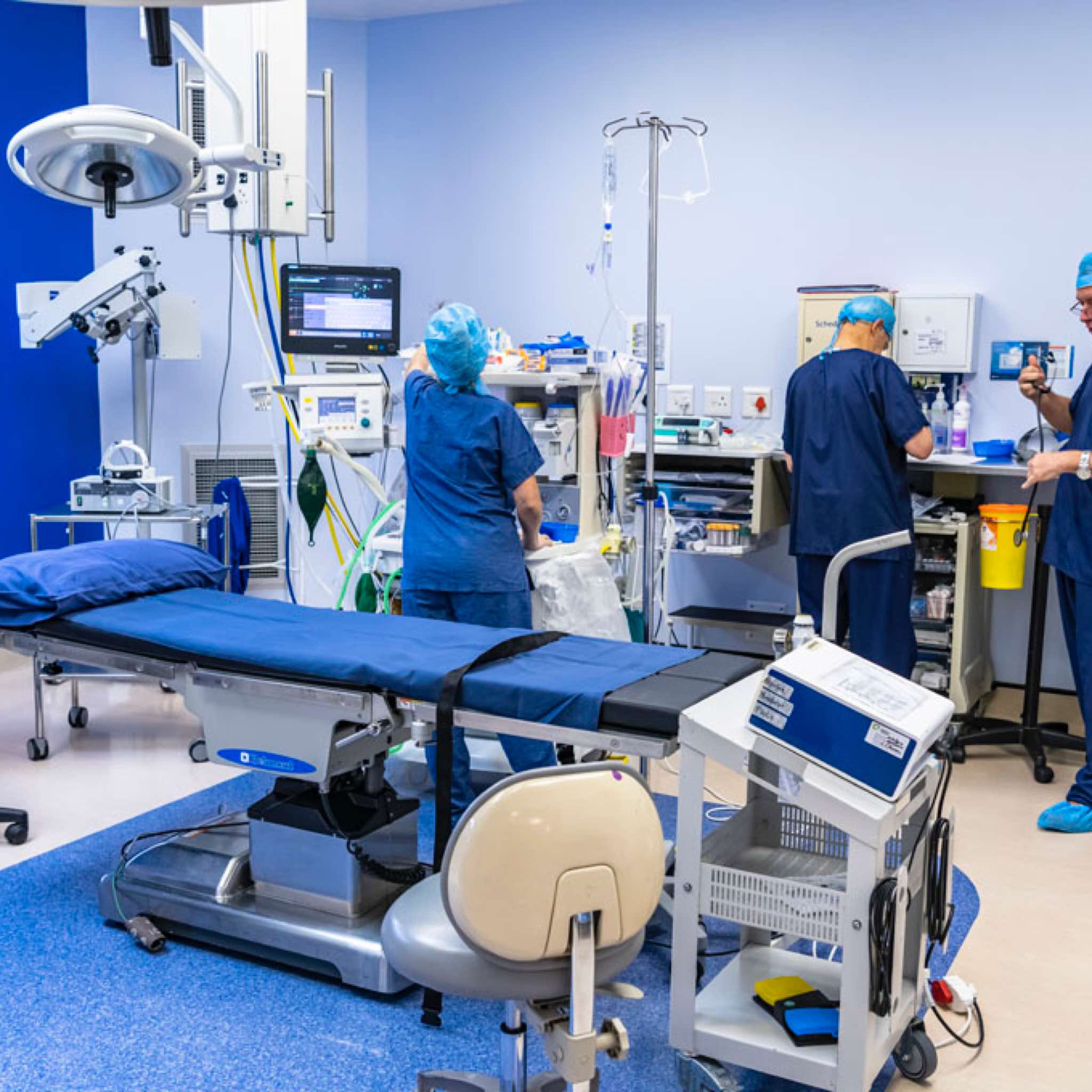

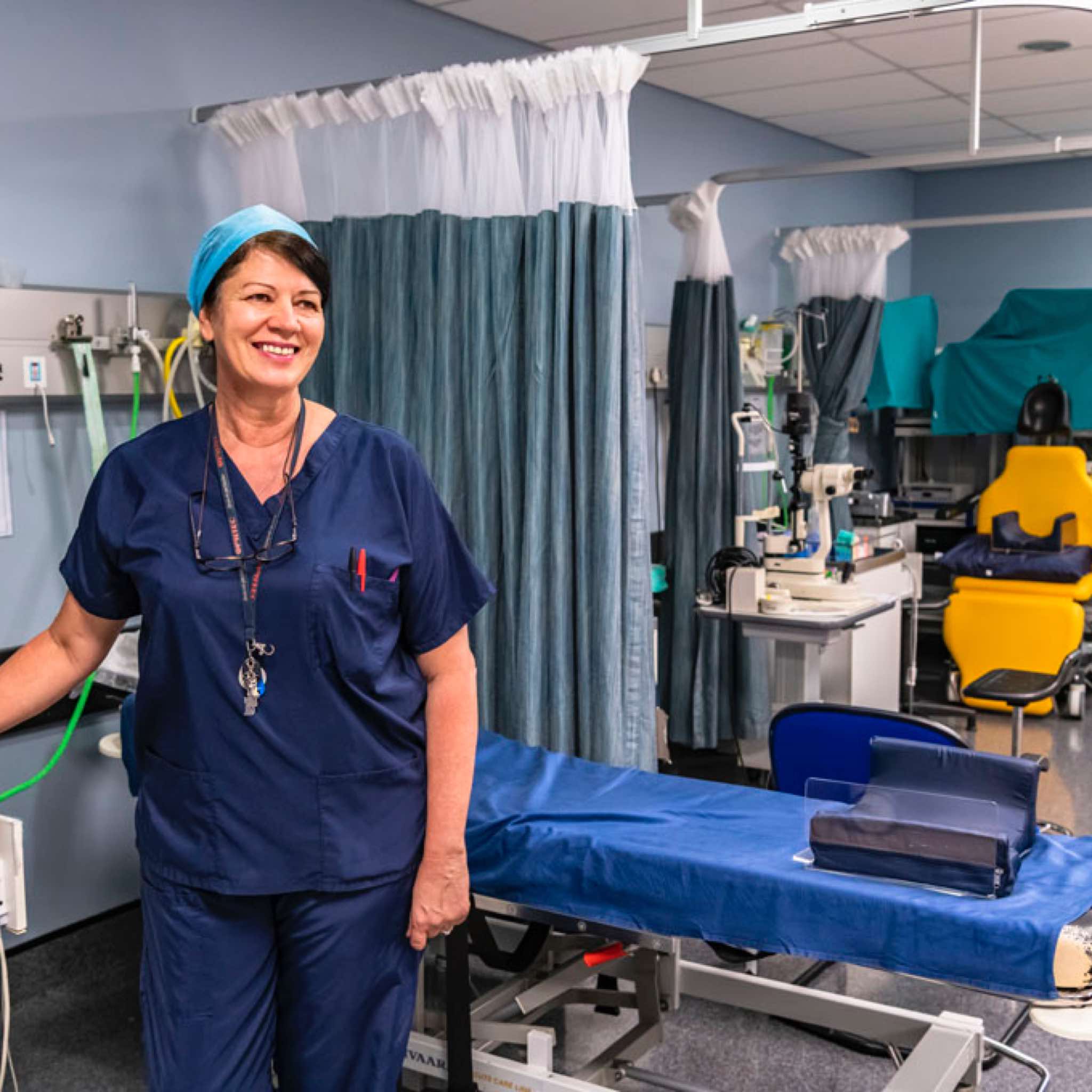
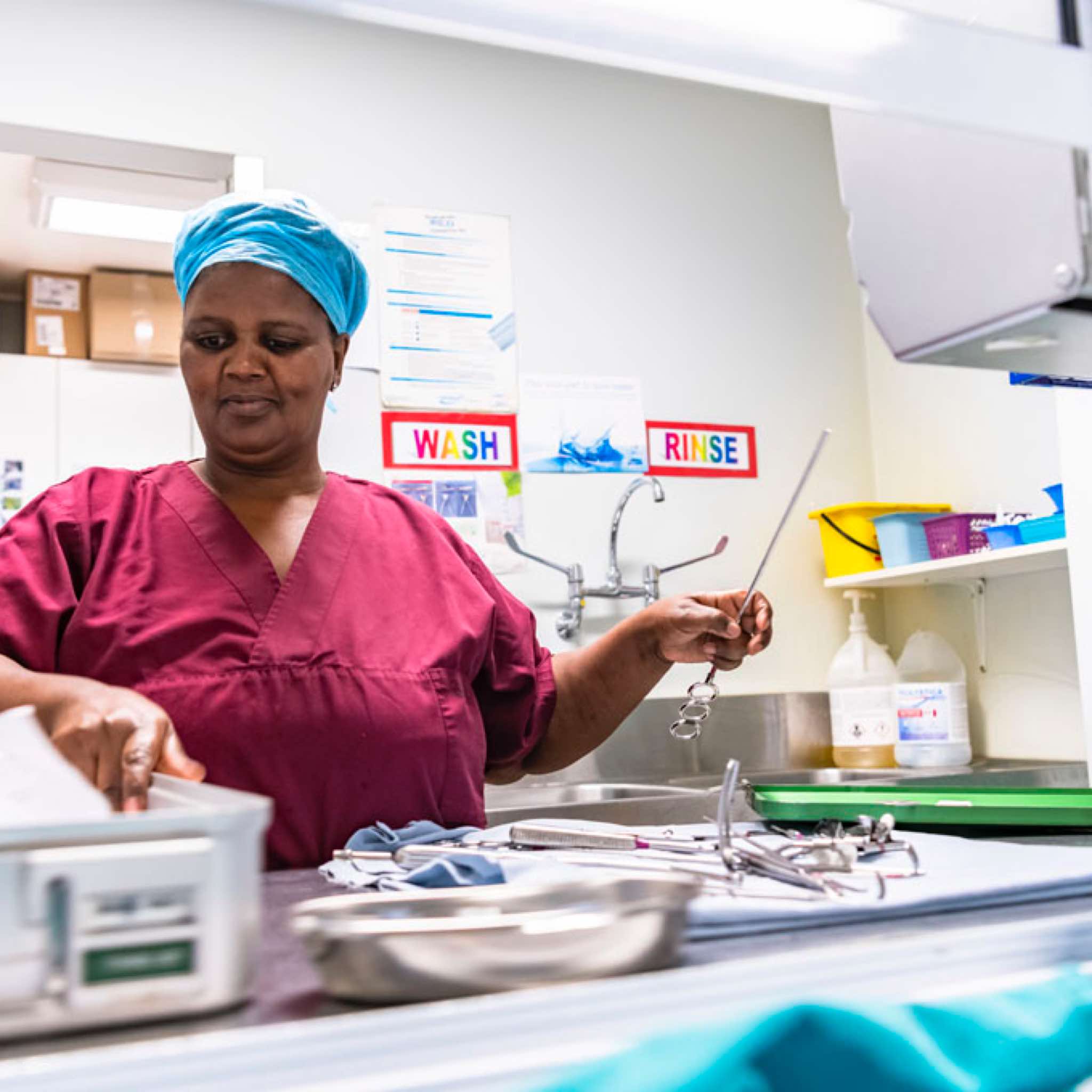
Located on Cape Road, Newton Park, Port Elizabeth. (medicalforumtheatre.co.za)
A private day-hospital focused on surgical theatre and outpatient procedures, complementing larger hospitals by providing day surgery and recovery-oriented care.
Why choose this hospital? For elective procedures where you prefer minimal hospital stay, lower cost, and quicker recovery environment.
Tip: Ensure your procedure is suitable for a day-hospital setting and check what happens if overnight stay becomes medically necessary.
How to Choose the Right Hospital in Gqeberha
Selecting the right hospital can depend on multiple factors. Below are key considerations:
- Public vs Private
- Public hospitals (e.g., Livingstone Hospital, Dora Nginza Hospital, Port Elizabeth Provincial Hospital) may have lower costs (or free for eligible patients), but may involve longer wait times, referral layers and shared wards.
- Private hospitals generally provide faster service, private rooms, greater comfort and access to certain specialists or surgeries—but at higher cost (via medical aid or self-pay).
- Speciality Requirements
If you need cardiology, cardio-thoracic surgery, neurosurgery, advanced neonatal care or other complex services, ensure the hospital has the requisite ICU, specialist theatre and equipment (for example Netcare Greenacres lists 14 theatres, 24-hour emergency, cath labs). (nmbt.co.za)
For rehabilitation, sub-acute or mental-health care you may need a different facility (e.g., Nightingale Subacute, Elizabeth Donkin Hospital). - Location & Travel
Proximity matters especially in emergencies. Hospitals within central Gqeberha may be preferred. If you are coming from outside the city or country, consider transport and accommodation logistics for yourself and family. - Insurance / Medical Aid Network
If you have private medical aid, verify whether the hospital is in-network and what your out-of-pocket cost might be. If you are paying privately or as a medical tourist, enquire about pricing transparency. - Visiting & Support Facilities
Visiting hours, partner access in maternity, family accommodations, languages spoken, support services (dietetics, physiotherapy, pharmacy on-site) all add to comfort. - After-Care & Rehabilitation
For major surgery, check whether the hospital has good physio/occupational therapy, or if there is a partner rehabilitation facility. Some day hospitals may require you to move to another facility post-op. - Accreditation & Quality
Look for accreditation with national health bodies, patient reviews, infection control records, and how recent the facility’s equipment turnover is. - Emergency Capability
For urgent care, make sure the emergency department is 24/7, and whether trauma service is available. For example, Netcare Greenacres confirms 24-hour emergency. (nmbt.co.za)
Final Thoughts
Gqeberha offers a broad and vibrant hospital ecosystem, with public tertiary referral centres and robust private hospitals. Whether you are a resident or patient from afar, you have options. Always plan ahead, match the hospital’s strengths to your needs, verify logistics and cost, and ensure communication with your specialist or primary doctor.
Exploring 20 hospitals here gives you a wide overview—be sure to narrow it down to 2-3 options that best suit your medical requirements, budget and travel context.
FAQs:
1. What is the difference between a public hospital and a private hospital in Gqeberha?
Answer: In Gqeberha (and South Africa generally) public hospitals are owned and funded by the provincial or national government, and serve the broader population often at low cost or free for eligible groups (e.g., children under certain age, pregnant women). For example, Port Elizabeth Provincial Hospital is a public tertiary hospital. (LekkeSlaap) Private hospitals are owned and managed by private companies or groups (e.g., Netcare, Life Healthcare). They typically charge higher fees, have private rooms, often shorter waiting times, and may provide additional comfort and services. You may access them through medical aid or as self-pay.
Tip: If cost is a major concern, public may be preferable; if speed, comfort or specialist service is key, private may be better.
2. Do private hospitals in Gqeberha accept patients without medical aid?
Answer: Yes—they often accept self-pay patients (those without medical aid). However, the costs will be higher and you may need to discuss payment terms in advance. Some hospitals have special packages or financing options. Always ask for a cost estimate and clarify what services and supplies are included.
3. How do I know if a hospital has the specific specialist I need?
Answer: Good practice is to call the hospital and ask for the specialist department (e.g., cardiology, neurosurgery, orthopaedics). Check whether the specialist is on staff or visiting, what operating theatre availability is, and whether the hospital supports the relevant procedures (e.g., catheterisation labs, ICU beds). For example Netcare Greenacres lists cardiac catheterisation labs. (nmbt.co.za)
Also ask for their success rates, complication records and availability of ICU/High-care for post-operative support.
4. Can I be treated at a private hospital as a foreign medical tourist in Gqeberha?
Answer: Yes, many private hospitals in South Africa welcome international patients. You will need to coordinate with the hospital’s international or patient liaison department, confirm your visa or travel status, arrange accommodation, clarify cost and payment terms upfront, check insurance or self-pay details, and possibly bring medical records with you.
Tip: Ensure English or relevant language support is available, and ask about follow-up care when you return home.
5. Are there neonatal intensive care units (NICU) in Gqeberha hospitals?
Answer: Yes. For example, Netcare Greenacres Hospital lists a 7-bed neonatal intensive care unit. (nmbt.co.za) Also Life Mercantile Hospital states it has a neonatal intensive care unit as part of its maternity services. (lifehealthcare.co.za) If you are expecting a baby and may require NICU support, check the capacity, neonatal surgeon/neonatologist availability and what happens if further transfer is needed.
6. Does Gqeberha have a hospital with a burn unit?
Answer: Yes. The Dora Nginza Hospital includes a functional burn unit (paediatric and adult) in the Eastern Cape. (Wikipedia) If burn treatment is needed it’s important to verify transfer protocols, acute vs chronic burn care capability, and linkages with rehabilitation.
7. What should I check when comparing hospital costs?
Answer: Key cost factors include:
- Consultation/doctor fee
- Operating theatre/lab/investigation costs
- ICU/High care daily cost
- Room type (single/private vs shared)
- Implants, devices (if orthopaedics, cardiac)
- Medications, consumables
- Anaesthesia fees
- Post-operative care, physiotherapy or rehab
- Accommodation and meals for family (if required)
Request a written estimate; ask about what is not included; check for out-of-pocket charges even when you have medical aid.
8. Do public hospitals in Gqeberha accept medical aid?
Answer: Yes – public hospitals may accept medical aid, but the experience may differ compared to private hospitals (e.g., choice of specialist, room type, speed of access). With medical aid you may still need to follow the referral process, and sometimes medical aids prefer patients to go to private hospitals if funded.
9. What is the role of an ICU vs High-Care ward?
Answer: ICU (Intensive Care Unit) is for patients needing the highest level of monitoring and life-support (ventilator, multi-organ support). High-Care (sometimes called HDU) is for patients who need significant monitoring and care but not full ICU level. For example Netcare Greenacres has a 16-bed ICU, 7-bed cardio-thoracic ICU and 12-bed coronary care unit. (nmbt.co.za)
If you plan a procedure with potential for complications, ask about ICU availability.
10. How are emergency services handled?
Answer: Many hospitals in Gqeberha have 24-hour emergency departments—for example Netcare Greenacres is 24-hour. (nmbt.co.za) Public hospitals also provide emergency care (e.g., Dora Nginza, Livingstone). For trauma, major accidents or after-hours specialist emergencies verify whether specialist cover is 24/7.
11. What does “day hospital” mean?
Answer: A day hospital (or day surgery centre) offers procedures where the patient does not stay overnight (or stays very briefly) and is discharged the same day. For example, Edge Day Hospital and Medical Forum Day Hospital in Gqeberha specialise in day procedures. (edgedayhospital.co.za)
Pro: Lower cost, quicker recovery environment.
Con: If complications occur overnight, you may need transfer to a full hospital.
12. Are there hospitals in Gqeberha specialised in rehabilitation?
Answer: Yes—for example Nightingale Subacute Hospital focuses on sub-acute and rehabilitation care. Nurture Aurora Rehabilitation Hospital likewise. These are useful after major surgery, ICU stay or trauma when intensive therapy is needed but full acute hospital care is no longer required. (Wikipedia)
Ask about physio/occupational/speech therapy intensity, whether beds are for inpatient rehab and what the cost covers.
13. How do I check hospital accreditation in South Africa?
Answer: You can check whether a hospital is accredited by national health entities (e.g., the Council for Health Service Accreditation of Southern Africa – COHSASA) or by looking at medical aid provider lists (which often list approved hospitals). Also investigate patient safety records, infection control audits and any hospital‐specific awards. When in doubt, call the hospital’s quality office and ask for accreditation documentation.
14. What languages are commonly spoken by hospital staff in Gqeberha?
Answer: English is widely spoken in South African hospitals. In Gqeberha, you may also find Afrikaans and isiXhosa being spoken, given the local demographics. If you or a visitor prefer a specific language, ask about interpreter services, written materials in your language, and signage.
15. Can I choose my doctor/surgeon in a private hospital?
Answer: Usually yes in private hospitals—you can request a specific specialist if they are on staff or affiliated. However, ensure the doctor is contracted with the hospital and your medical aid. Confirm whether the doctor’s fee is included in the hospital estimate or billed separately.
16. What happens if I require transfer from a day hospital to a full hospital?
Answer: Good day hospitals have transfer arrangements in place—for example they may report to a major hospital if overnight or ICU care is required. Before your procedure, ask: What is their policy if overnight stay is needed? What hospital will you be transferred to? Who covers the transfer cost? What happens to your financial estimate?
17. How are visiting hours managed in hospitals like Life Mercantile for maternity/neonatal units?
Answer: Life Mercantile Hospital lists visiting hours: 10:30-11:30, 15:00-16:00, 18:00-19:00. (lifehealthcare.co.za) For neonatal/intermediate care units, special rules may apply (e.g., partner access, sibling restrictions). If you are expecting, ask about visiting partner earlier, baby-friendly practices (skin-to-skin, breastfeeding support) and neonatal unit capacity.
18. Is there specialised paediatric cardiac care in Gqeberha?
Answer: Yes. For example Netcare Greenacres lists paediatric cardiology and electrophysiology, in addition to adult cardiology. (nmbt.co.za) If your child has a cardiac condition, check for paediatric catheterisation lab, CHD (congenital heart disease) specialist and ICU for paediatric cardiac recovery.
19. Are there hospital pharmacies onsite in Gqeberha hospitals?
Answer: Yes—many private hospitals have in-house pharmacies (e.g., Life Mercantile Hospital lists an in-house pharmacy). (lifehealthcare.co.za) Having a hospital pharmacy can ease discharge medication supply and reduce the need to seek external pharmacy.
20. Are maternity hospitals specialised separately or integrated?
Answer: Some hospitals have dedicated maternity wings/units (for example Life Mercantile includes a maternity unit + NICU). (lifehealthcare.co.za) In other hospitals maternity is one division of the full service hospital. If maternity is your focus, check obstetrician cover, neonatal support, epidural/anesthesia availability, partner access, and labour room facilities.
21. What is the typical cost difference between a private and public hospital in Gqeberha?
Answer: While exact numbers vary widely depending on procedure, room type and surgeon, private hospitals are generally more expensive because they provide private rooms, faster scheduling, specialist cover and more personalised service. Public hospitals may have lower or no cost to eligible patients but may have shared rooms, longer waits, and fewer choices of specialist or device/implant. For accurate comparison you must request written quotes from both systems for the same procedure and follow-up.
22. How long in advance should I book elective surgery in Gqeberha?
Answer: In a private hospital, once your surgeon is ready and hospital has available theatre/bed you can often book in weeks to a few months. In public sector, waiting lists may be longer (months) depending on procedure and urgency. It’s best to plan early, secure your surgeon and hospital date, and check for possible changes in schedule. If you are a medical tourist, factor in travel, accommodation and recovery time.
23. Does Gqeberha have hospitals with neurosurgery capability?
Answer: Yes. For example Netcare Greenacres lists neurology & neurosurgery among its disciplines. (nmbt.co.za) Public tertiary hospitals such as Dora Nginza also typically have neurosurgical services. Always confirm which hospital has neurosurgeons on-site, whether emergency neurosurgery is available 24/7, and what ICU/High-care support is present.
24. What should I bring to the hospital when admitting?
Answer: Generally:
- ID/passport and copy
- Medical aid card or proof of payment
- Referral letter (public) or specialist letter (private)
- List of current medications
- Relevant medical records or scans (USB/CD or printed)
- Contact details of family/support person
- Personal items: comfortable clothes, toiletries, phone charger
- Payment/consent forms (especially if surgery)
- For international patients: travel insurance, visas, accommodation arrangements.
25. How long is recovery time for major surgery in these hospitals?
Answer: Recovery varies depending on procedure, patient health, age and hospital. For example after orthopaedic surgery you may need 2-4 days in hospital and several weeks of physiotherapy. Private hospitals may arrange faster mobilisation and discharge. Ask your surgeon and hospital about their typical length of stay, physiotherapy availability and discharge plan.
26. What happens after discharge from hospital—how is follow-up care managed?
Answer: After discharge you should have a clear follow-up plan: date of specialist review, wound check, physiotherapy/occupational therapy if needed, medication review, emergency contact number. Private hospitals often include discharge coordinators and call-back services; public hospitals may require you to book appointments at outpatient clinics. Always check that you know who to call in case of complications post-discharge.
27. Can family stay overnight with the patient?
Answer: It depends on hospital policy and room type. In private hospitals you may be offered private rooms where a family member can stay (though cost may be higher); public hospitals usually have stricter visiting rules and limited overnight stays for non-patients. If family support is important, ask whether there are visitor beds or nearby accommodation.
28. What about insurance or liability—what if complications occur?
Answer: Ensure the hospital and surgeon both carry appropriate accreditation and indemnity cover. In private hospitals ask what happens in event of complication: Is the cost of further treatment covered? Are transfers to higher-care hospitals included? For public hospitals the framework is different; risk management policies are in place but your liability might differ. Ask about patient rights, informed consent, and hospital complaint/feedback procedures.
29. How do I evaluate hospital infection control and safety?
Answer: Indicators include published data on hospital-acquired infections, patient reviews, accreditation status, cleaning and hygiene practices, staff training, hand‐hygiene protocols, isolation wards for infectious diseases (important with TB hospitals like Jose Pearson). Visit the hospital if possible or ask for recent audits. Good hospitals will welcome your questions.
30. Are there hospitals in Gqeberha that specialise in renal dialysis?
Answer: Yes—for example Life Mercantile Hospital has a renal dialysis unit offering acute and chronic dialysis, staffed by nephrologists and renal nurses. (lifehealthcare.co.za) If you need long-term dialysis, ask about session scheduling, machine availability, and integration with specialist nephrologists.
31. Can I pick a hospital based on room type (single vs shared)?
Answer: Yes in private hospitals you often have options: single private room, semi-private, shared ward. Costs vary accordingly. If you have specific preferences (noise, privacy, visitor access) ask about room categories and upgrade options. In public hospitals private single rooms may be limited or only available with private payment.
32. Do hospitals in Gqeberha accept walk-in emergencies or should one use ambulance referral?
Answer: Public hospitals with emergency departments accept walk-in emergencies (e.g., Livingstone, Dora Nginza). Private hospitals also accept emergencies via walk-in or ambulance (e.g., Netcare Greenacres has 24-hour emergency). (nmbt.co.za) If you are coming from afar, ensure transport arrangements (ambulance or private) and hospital location are clear.
33. How do I find a specialist in the hospital I choose?
Answer: Contact the hospital’s specialist reception, check the hospital website for specialist lists, ask your referring doctor, or check with your medical aid. Many hospitals list specialties and surgeons online (for example Netcare Greenacres lists major disciplines). (nmbt.co.za)
If your specialist is not affiliated with the hospital you want, you may need to switch hospital or specialist.
34. For maternity services, can I choose the obstetrician and have a birth partner?
Answer: In private hospitals, yes you typically can choose an obstetrician, take a birth partner and even have optional extras (e.g., birthing suite) depending on availability and cost. For example Life Mercantile encourages fathers to share fully in the birth process. (lifehealthcare.co.za)
In public hospitals it will depend on the unit policy, waiting list and bed availability—ask ahead for partner access, birthing options, and neonatal support.
35. Are there dialysis and oncology services in Gqeberha hospitals?
Answer: Yes. For example Life Mercantile Hospital has renal dialysis services. (lifehealthcare.co.za) The major private hospitals like Netcare Greenacres cover oncology among their disciplines. Public hospitals may also provide oncology services but check capacity and waiting times.
36. What if I need after-hours care or the hospital I chose is full?
Answer: Have a backup hospital in mind (especially in emergencies). Ensure the hospital you choose coordinates transfers with tertiary centres. For private patients, ask if the hospital shares networks with other hospitals. For public patients ensure you understand regional referral pathways. Also keep the nearest hospital’s contact number and map location handy.
37. Does the hospital provide accommodation for relatives?
Answer: Some private hospitals offer guest accommodation or partner with nearby hotels. In public hospitals this is less common and you may have to arrange your own accommodation. When planning from outside the region, ask the hospital’s patient liaison about family stay options.
38. What should I do if I have a complaint about hospital service?
Answer: Use the hospital’s patient-complaint process (every hospital should have a patient relations or quality department). You can escalate to provincial health departments in public hospitals, or to private hospital group patient feedback. Always keep records (dates, names, outcome). If unresolved, you may approach the Council for Health Service Accreditation of Southern Africa (COHSASA) or the relevant ombudsman (for medical scheme disputes) in South Africa.
39. How is paediatric care in Gqeberha hospitals?
Answer: Very good in several hospitals. Netcare Greenacres has a paediatric ward. (nmbt.co.za) Public hospitals like Dora Nginza and Livingstone also have paediatric services. When selecting a hospital for a child, ask about paediatric ICU, specialist paediatric surgeons, child-friendly environment and after-care support.
40. What transport/logistics should I consider if I’m coming from outside South Africa?
Answer: Consider: arrival airports (Gqeberha is served by Port Elizabeth Airport – now Chief Dawid Stuurman Int’l Airport), visa/immigration for medical travel, accommodation for self and family, local transport (taxi or hospital transfer), currency/financial logistics, pharmacy availability, language and cultural support, medical records import/export, insurance cover for repatriation and contingency plans. Also ensure your chosen hospital can communicate with your home country doctor if needed.
41. Are there full rehabilitation hospitals in Gqeberha, after discharge from acute hospital?
Answer: Yes—for example Nightingale Subacute Hospital and Nurture Aurora Rehabilitation Hospital are in the list for Gqeberha. (Wikipedia) These specialise in therapy and rehabilitation rather than acute treatment. If your care pathway involves major surgery, stroke, ICU stay or trauma, planning early for rehab is essential.
42. How do I verify hospital bed availability or ICU capacity in advance?
Answer: For elective procedures you can request the hospital’s bed/ICU availability when planning the admission. Private hospitals generally can hold the bed once you pay a deposit. For public hospitals, bed availability is more variable—your specialist or medical scheme may liaise with hospital admin. It’s good to confirm 48-24 hours ahead of your planned arrival.
43. Can I get a cost estimate before admission?
Answer: Yes—private hospitals are required to provide a cost estimate (often called a quotation or pre-admission cost estimate) detailing all expected charges, and what portion your medical aid covers (if applicable). Public hospitals may provide indicative cost (if self-pay) or note free services for eligible categories. Always request in writing and clarify what is not included (e.g., specialist fees, prosthetics, extra nights).
44. What is a “centre of excellence” hospital?
Answer: A ‘centre of excellence’ hospital is one recognised for its outstanding performance in a specific speciality (e.g., cardiac surgery, neurosurgery, orthopaedics) with advanced technology, specialist teams, research or teaching affiliation. For example Netcare Greenacres advertises itself as a centre of multidisciplinary care in the Eastern Cape. (coringroup.com)
When your condition is complex, selecting a centre of excellence is wise.
45. Do any hospitals in Gqeberha provide bariatric (weight-loss) surgery?
Answer: Yes—Netcare Greenacres lists bariatric surgery among its disciplines. (nmbt.co.za) If you are planning bariatric surgery, check for dedicated support (nutrition, psychologist, physiotherapy), long-term follow-up programs, and weight-loss patient groups.
46. How are outpatient services handled at these hospitals?
Answer: Many hospitals operate outpatient clinics (for specialists, diagnostics, etc.). Private hospitals often have fast-track outpatient services, whereas public hospitals may require booking and may have longer waits. If you just need a consultation or diagnostic test (not full admission), outpatient may suffice. For example Life St George’s lists outpatient hours. (pathcare.co.za)
47. What kinds of diagnostics are typically available on-site?
Answer: Many hospitals in Gqeberha provide radiology (X-ray, CT, MRI), pathology/laboratory services, physiotherapy, dietetics and speech therapy. For example Netcare Greenacres lists radiology, pathology, physiotherapy, dietetics. (nmbt.co.za)
If you require advanced diagnostics (e.g., PET scan), confirm availability or whether you’ll be referred elsewhere.
48. Do hospitals in Gqeberha have specialized clinics for HIV/AIDS or ARV treatment?
Answer: Yes. Public hospitals such as Livingstone offer ARV treatment for HIV/AIDS. (Wikipedia) Private hospitals may also have infectious disease specialists and ARV programs. If you have HIV/AIDS, ensure your hospital has the right specialist and labs, plus continuity of care if you travel.
49. What is the role of a hospital’s patient liaison or international patient desk?
Answer: These services help coordinate your admission, accommodation, transport, language assistance, cost estimates and sometimes tourism logistics if you travel for treatment. For international patients it is strongly advisable to use hospitals that provide a dedicated liaison desk. When you contact a hospital from abroad, ask: “Do you have an international patient services desk?” “Do you assist with visa, accommodation and travel?” “Do you provide cost estimates in USD/EUR as well as ZAR?”
50. How far in advance should I arrange accommodation and transport if coming for treatment?
Answer: The earlier the better. At least 4-8 weeks in advance is advisable for international patients or if you have family accompanying you. Secure your hospital date, room type, estimate, visa/travel planning, and book accommodation near the hospital for ease. Also plan for pre- and post-hospital stay (e.g., 1-2 nights before admission and 1-2 nights after discharge for safety). Confirm local transport (airport to hotel/hospital), and hospital pick-up if required.
Conclusion
Gqeberha (Port Elizabeth) offers a comprehensive and varied healthcare landscape, with both public and private hospitals that can cater to a wide variety of medical needs—from emergency trauma care to elective surgery, maternity and neonatal care, rehabilitation, day surgery and beyond. By clearly understanding your medical requirement, budget (public vs private), logistics (travel or local), and specialist needs, you can choose the hospital that best fits you or your loved one.
Want a quick walkthrough of Hospi?
We offer gentle, no-pressure demos for hospitals, labs & clinics.
Or call us directly: +91 8179508852