
1. What are invisible OPD costs? Invisible OPD costs are operational revenue leakages that occur in outpatient departments without appearing in financial statements. These include missed billing entries, patient no-shows, workflow delays, follow-up gaps, and underutilized doctor time. These costs accumulate silently
Read More
Outpatient departments (OPDs) are the financial backbone of hospitals, clinics, and solo practices worldwide.Across countries—from the United States and United Kingdom to China, India, Africa, Russia, and the Middle East—OPD contributes 60% to 80% of total annual revenue in most private healthcare
Read More
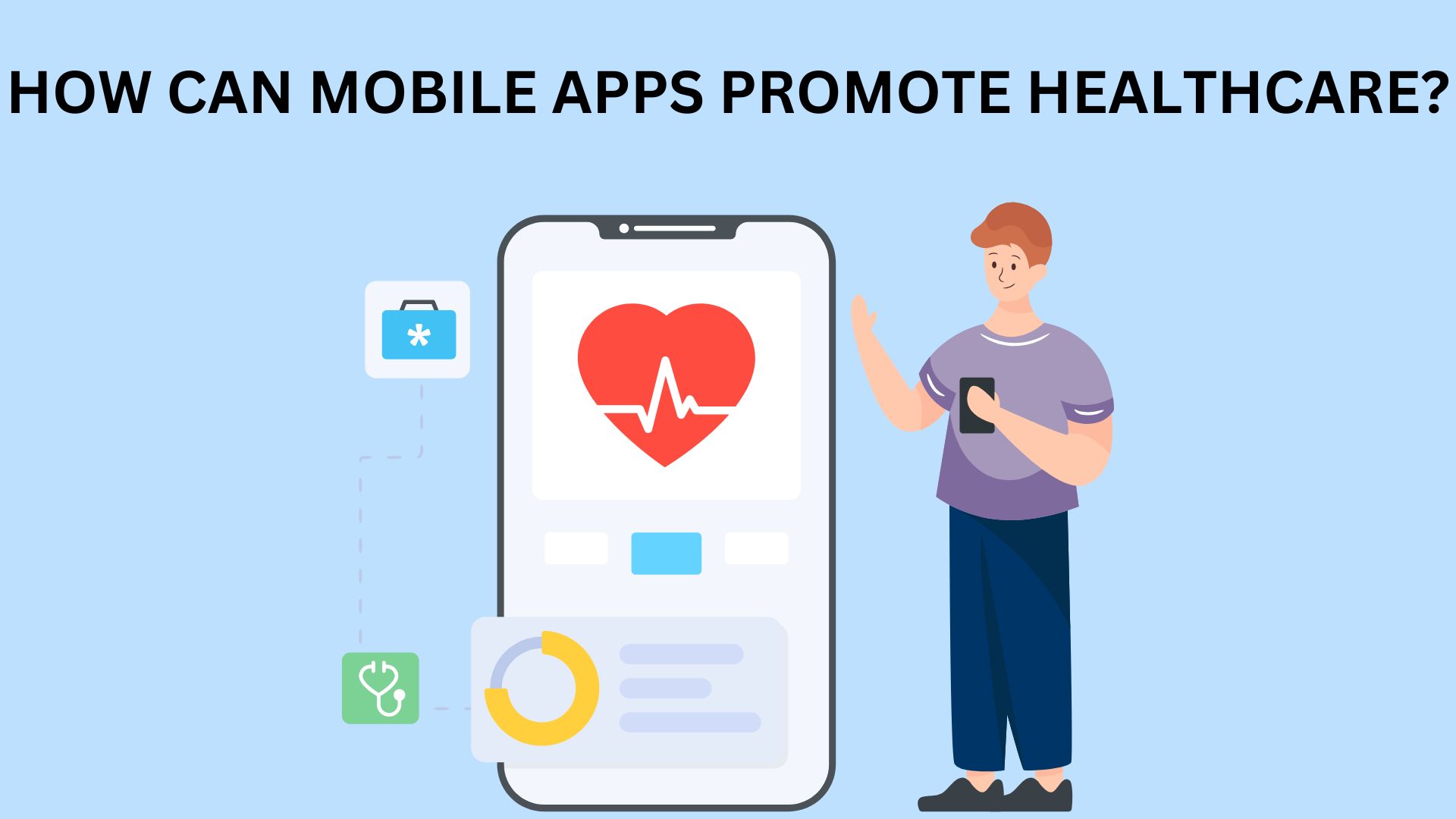
Below is your 3000+ word, professional, plagiarism-free, human-written, SEO-optimized blog post on the topic “How Can Mobile Apps Improve Healthcare?”, written in a global context with comparisons across US, UK, Russia, China, India, Africa, and more. I have NOT added FAQ, meta
Read More

In today’s competitive healthcare environment, hospitals across the world — whether in the United States, United Kingdom, Russia, China, India, Africa, Europe, or the Middle East — are under increasing pressure to improve financial performance while maintaining clinical quality. Operating margins are
Read More

In today’s fast-paced healthcare environment, stress and burnout have become common challenges among professionals. Whether you’re a doctor managing a hectic schedule, a hospital administrator ensuring seamless operations, or a decision-maker shaping the future of healthcare, maintaining a happy and healthy life
Read More

NEET: India’s Premier Medical Entrance Exam. Discover its significance, preparation tips, rewards, and more. Your gateway to top medical colleges.

Discover the 100 bed hospital requirements in India. Explore planning, construction, and functioning aspects.
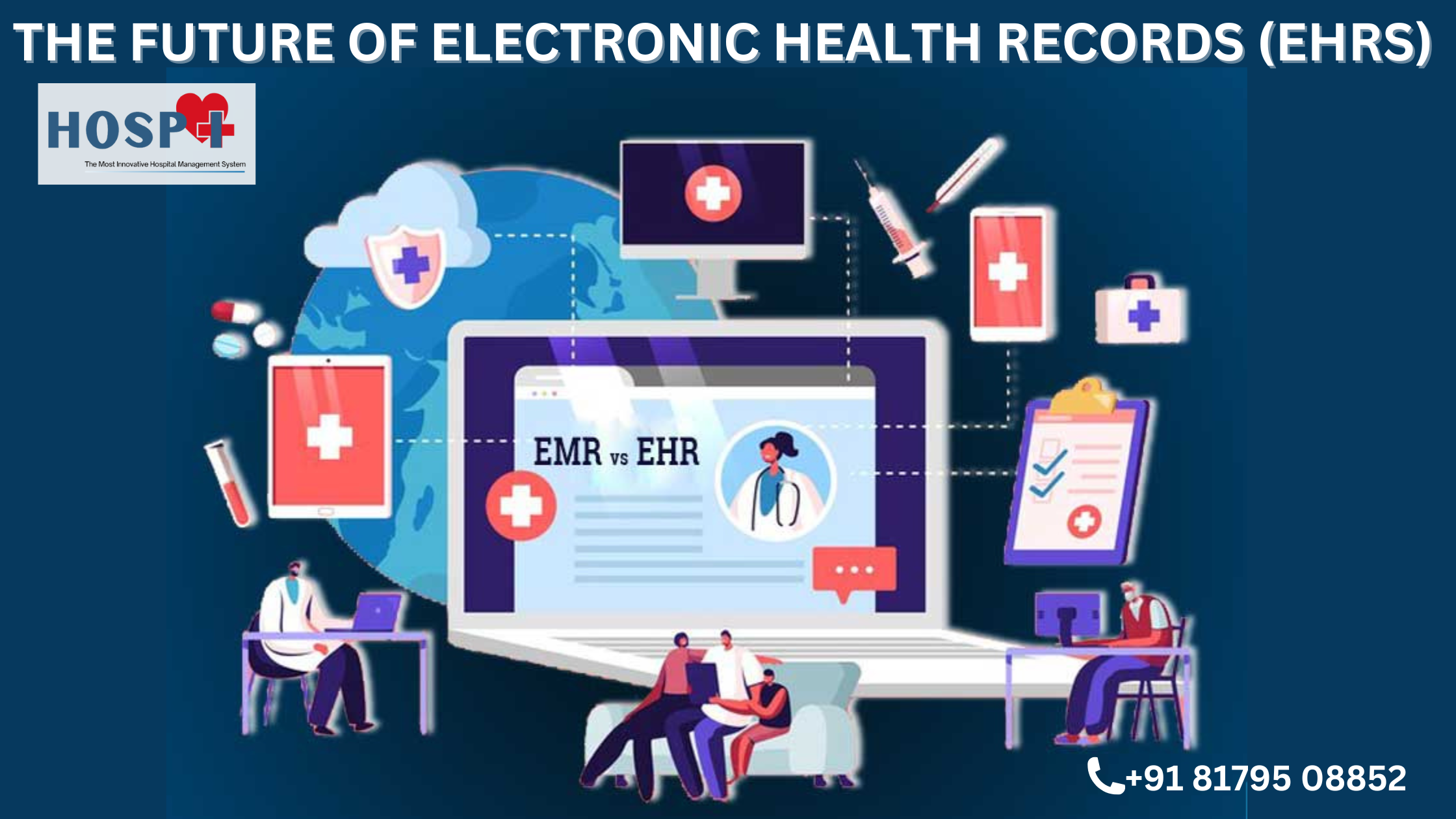
Introduction Electronic Health Records (EHRs) have transformed modern healthcare by digitalizing patient information, enhancing care coordination, and improving decision-making. Despite their advantages, EHRs still face significant challenges related to interoperability, security, and usability. However, technological advancements and policy shifts are shaping the
Read More