Looking to modernize your Hospital, Lab or Clinic?
Hospi is trusted across 25 Indian states for billing, EMR, lab reports, automations & more.
Introduction
Jakarta, the bustling capital of Indonesia, offers a mix of public and private hospitals catering to local residents, expats and international patients. With improvements in healthcare infrastructure, many Jakarta hospitals have adopted international standards and offer advanced speciality care including oncology, cardiology, neurosurgery and maternity services.
In this blog post we present a carefully curated list of top 20 hospitals in Jakarta, covering both public referral centres and private hospitals with international accreditation. For each hospital you will find its highlights, specialties, why it stands out, and practical tips. At the end, we provide 50-frequently-asked-questions (FAQs) with detailed answers to help you choose wisely and prepare for visiting hospital care in Jakarta.
Whether you are relocating, travelling, seeking specialised treatment or helping a family member, this guide aims to be your go-to resource. Let’s begin.
How we selected the hospitals
Our selection criteria included:
- Location within Jakarta (or immediate Greater Jakarta area)
- Reputation for quality care, international accreditation or strong specialties
- Accessibility to expats / English-speaking services where applicable
- Coverage of both public (government) and private sectors
We referenced sources such as Pacific Prime’s “Best Hospitals for Expats in Jakarta” list. (Pacific Prime)
Also lists of best hospitals in Indonesia. (My Hospital Now)
Top 20 Hospitals in Jakarta
Here are the hospitals, listed in no particular strict rank order but grouped by category for clarity.
1. Rumah Sakit Umum Pusat Dr. Cipto Mangunkusumo (RSCM) – Central Jakarta
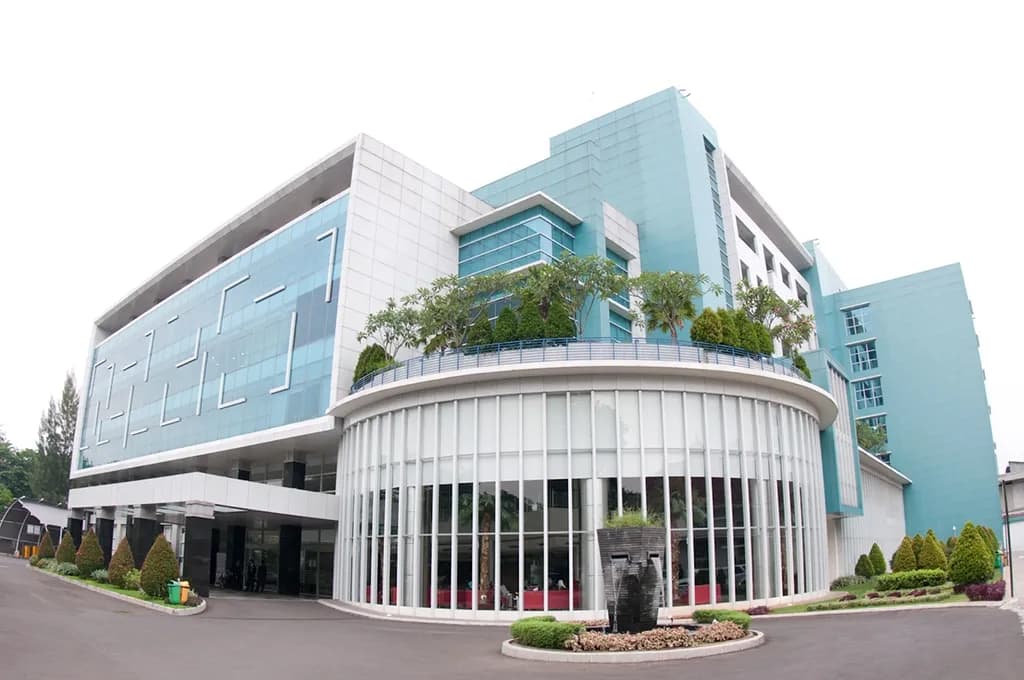
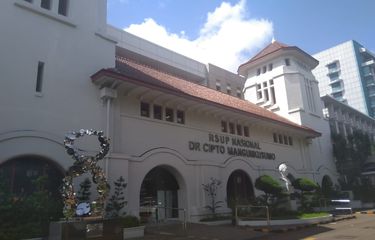
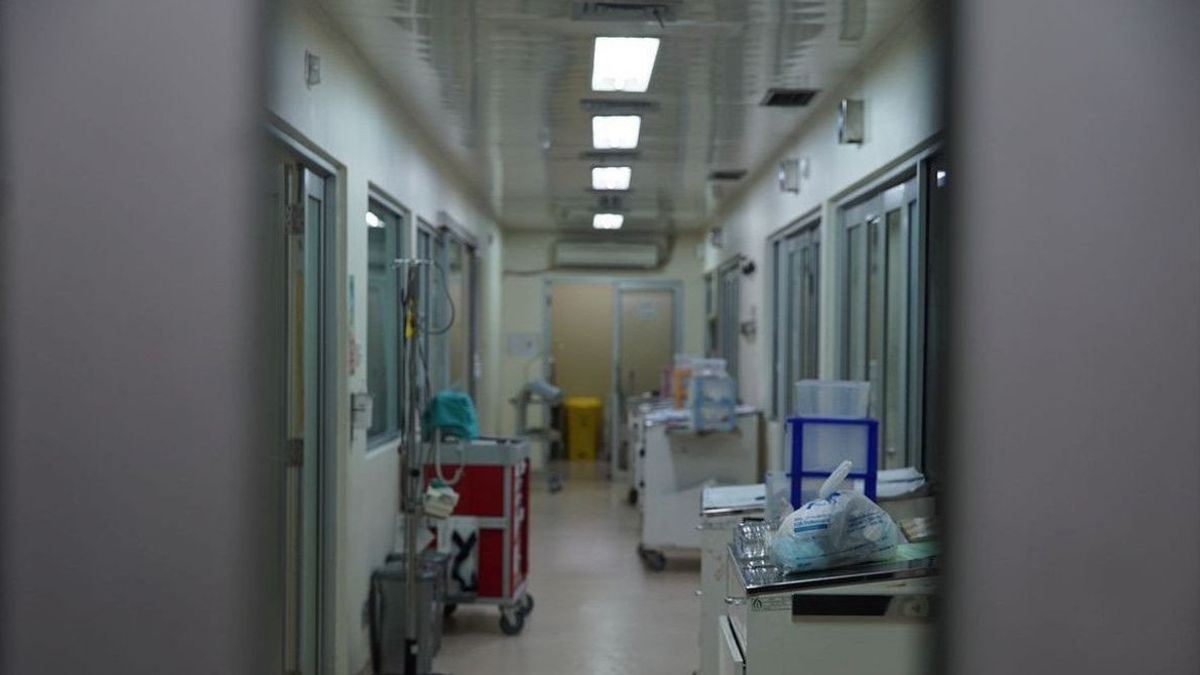
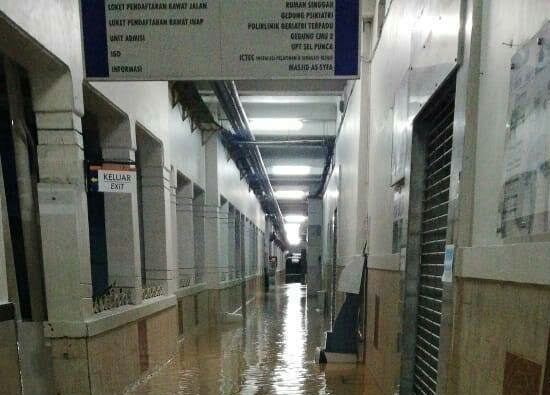


- Founded 1919, major public referral hospital affiliated with University of Indonesia. (piga.co.id)
- Offers broad tertiary care including oncology (with Tomotherapy), neurosurgery and more. (Flip)
- Strengths: Very large scale, referral centre, training hospital.
- Tip: As a public hospital, expect high volume; for more personal service you may consider private hospitals.
2. Rumah Sakit Pondok Indah Group – Multiple locations (Pondok Indah, Puri Indah, Bintaro)


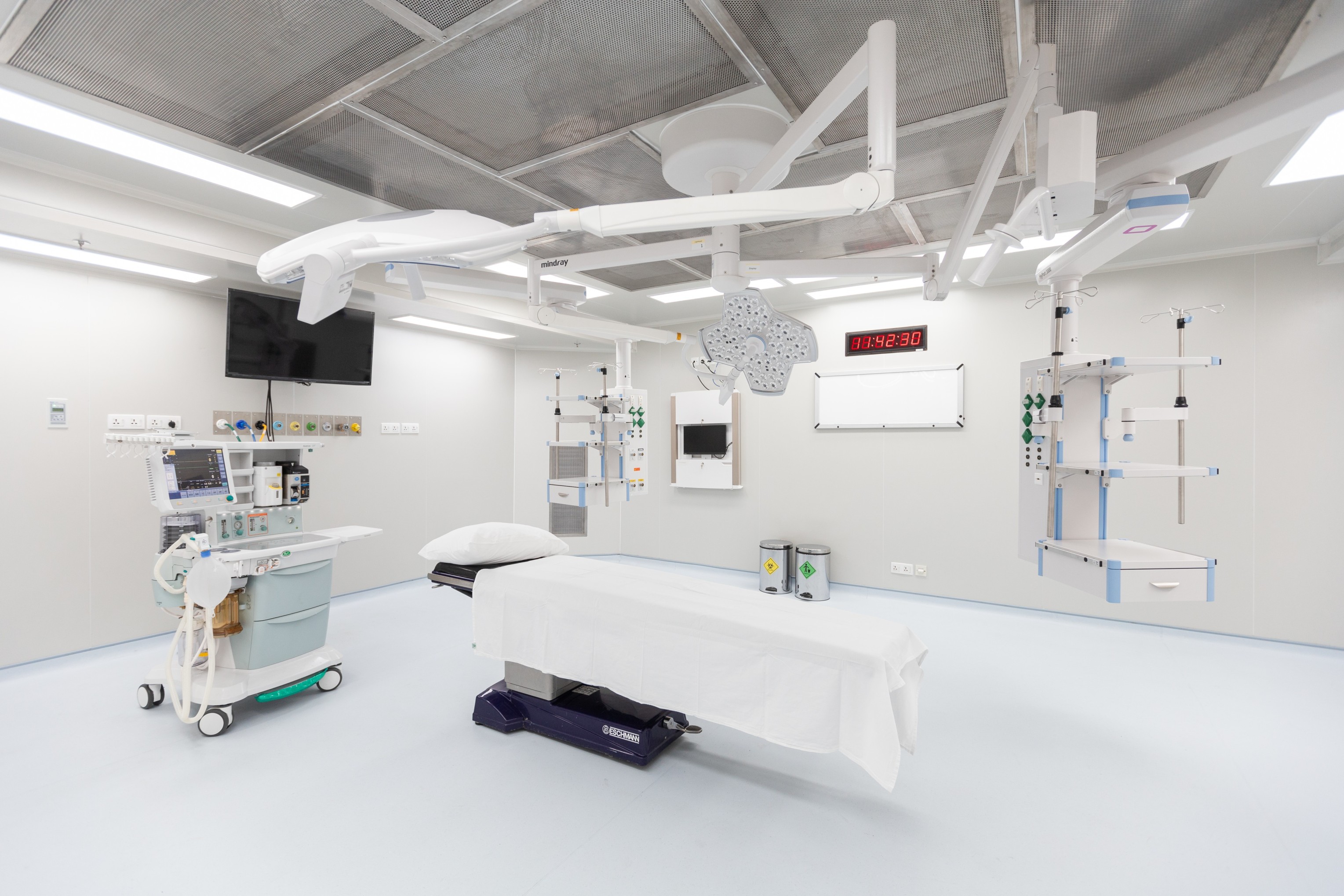
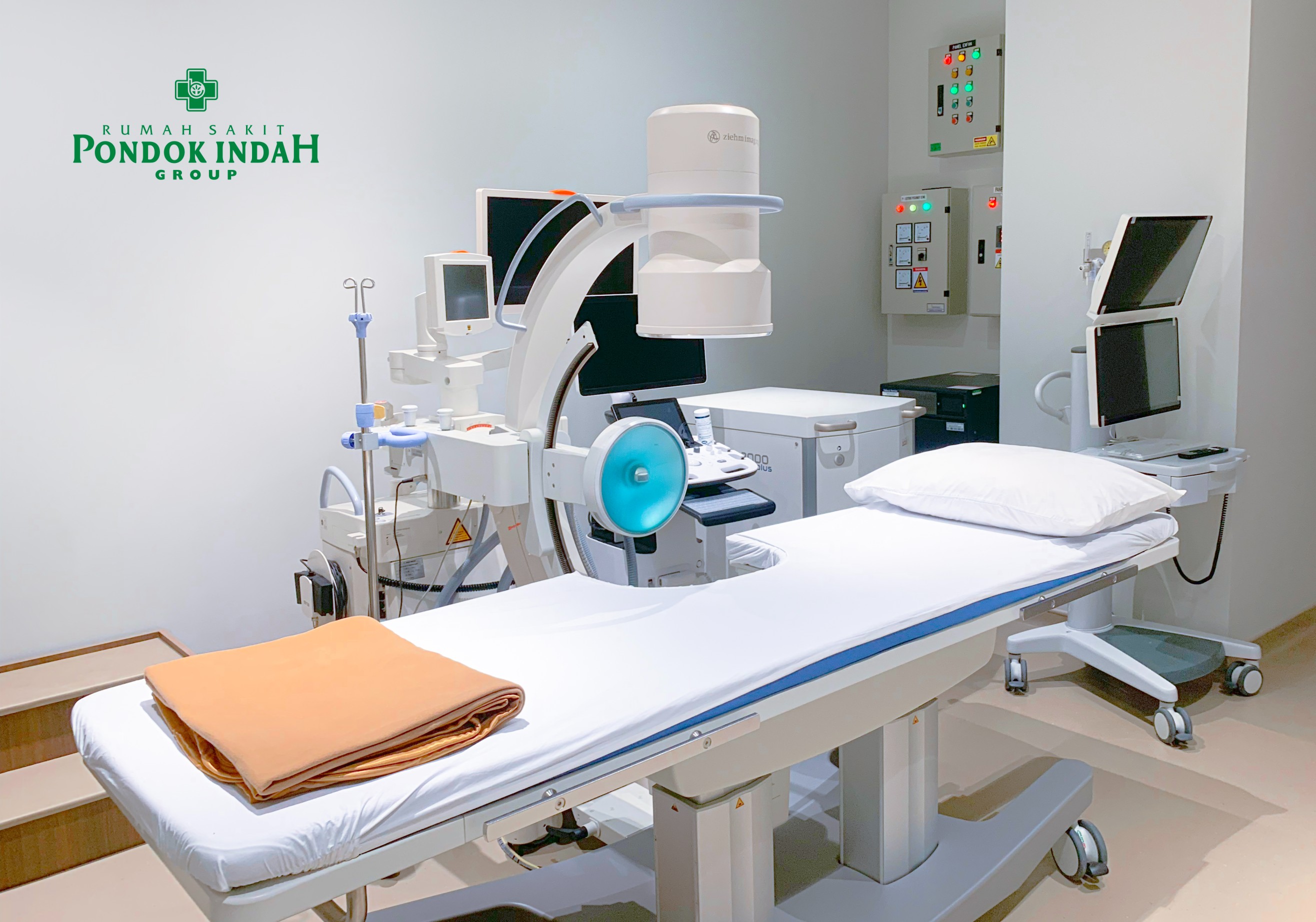


- Private hospital group, known for modern facilities and family-friendly care. (Flip)
- Example: Their Puri Indah branch was first paper-less hospital in Indonesia. (NOW! Jakarta)
- Tip: Good option for expats or families seeking high-end amenities and English-speaking staff.
3. Siloam Hospitals Kebon Jeruk (West Jakarta)
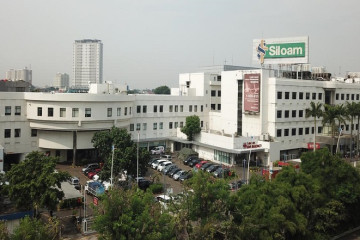

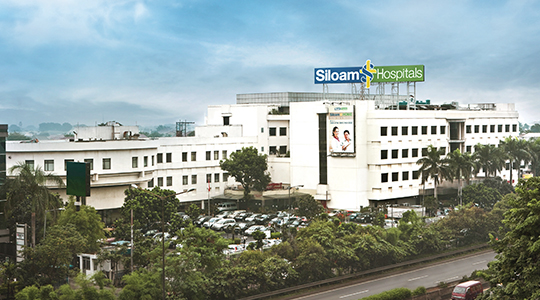
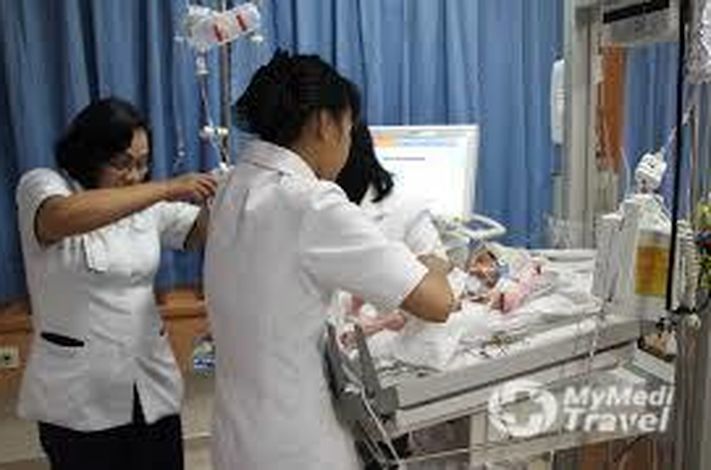


- Part of the national chain Siloam Hospitals — a recognised brand. (Pacific Prime)
- Strong private hospital offering comprehensive care including emergency, maternity, ICU etc.
- Tip: Choose the branch (Kebon Jeruk) for West Jakarta access.
4. Rumah Sakit Premier Jatinegara (East Jakarta)
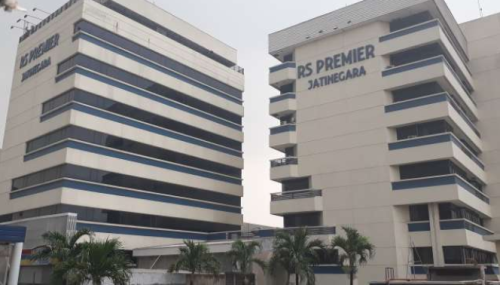
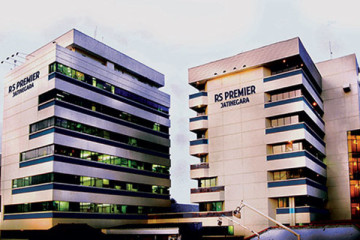


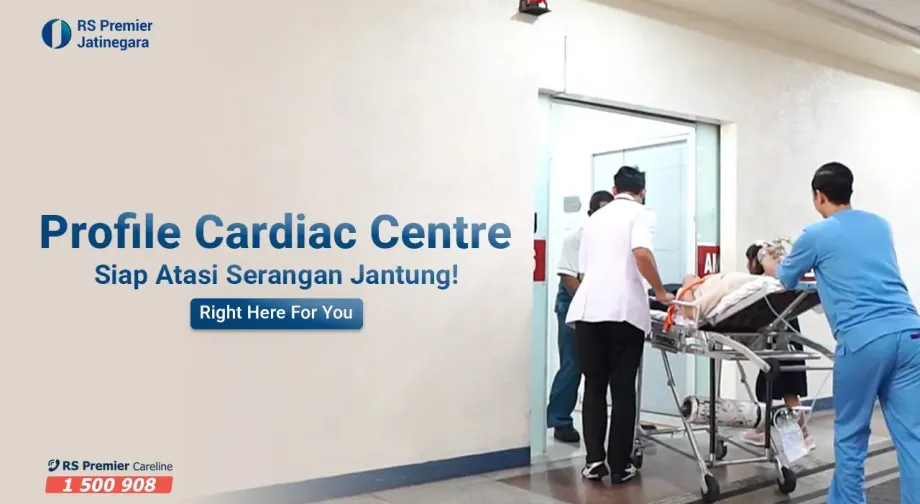

- International hospital catering to foreign patients; known for cardiovascular, stroke and digestive health centre. (Flip)
- Tip: If you are an expat concerned about communication, this hospital is well-set up for that.
5. Rumah Sakit Kanker Dharmais (West Jakarta)


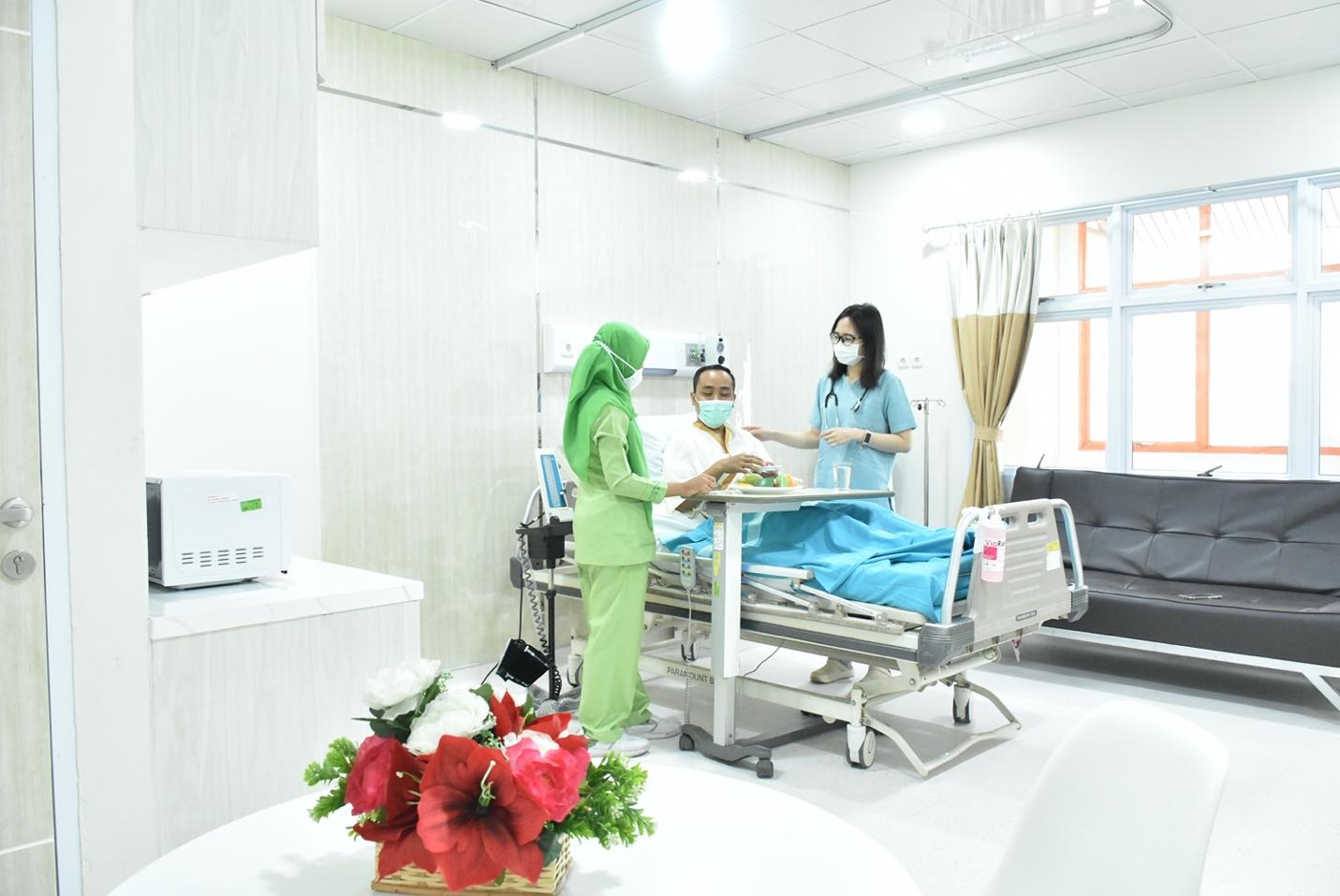
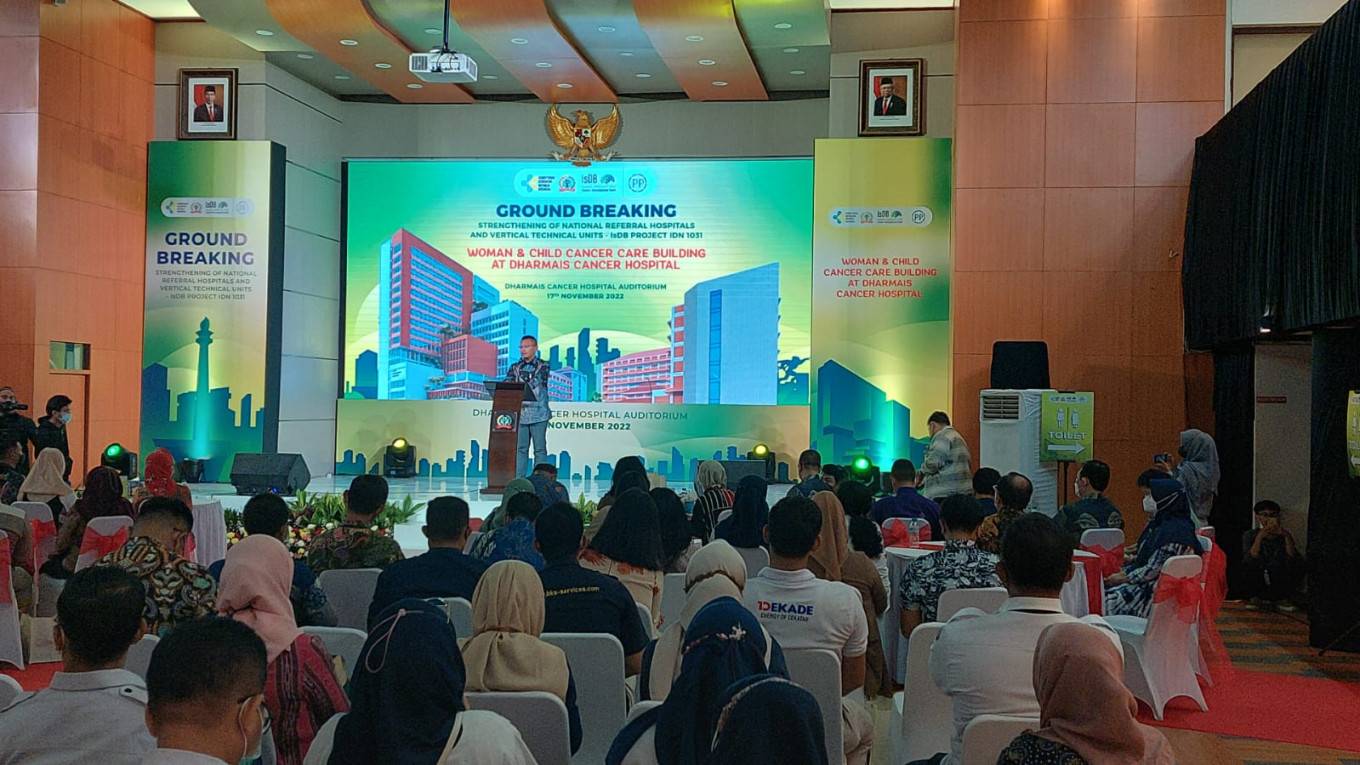


- Specialist cancer hospital under Ministry of Health. (Wikipedia)
- If you or someone requires oncology services, this is among the top options.
- Tip: For multidisciplinary support (surgery + radiotherapy + rehab) ask about package offerings.
6. Jakarta Heart Center Hospital (Central Jakarta)
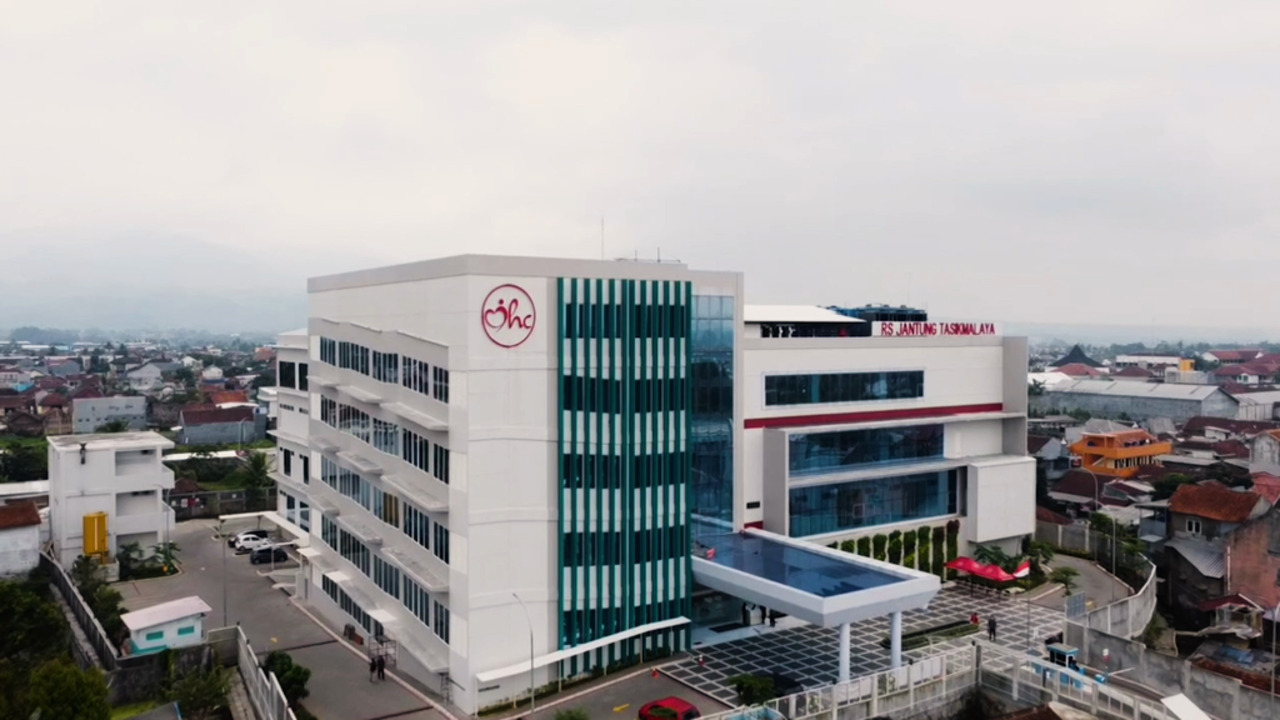


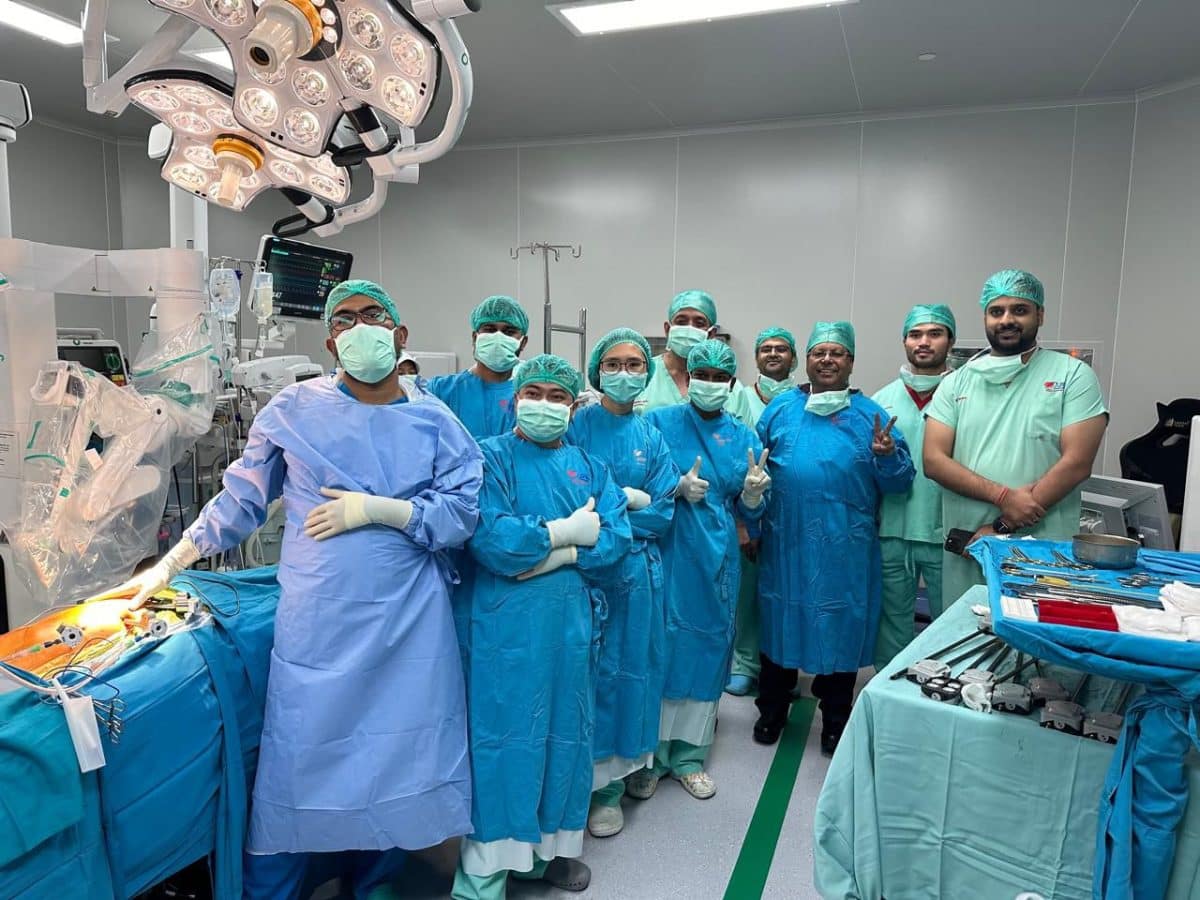
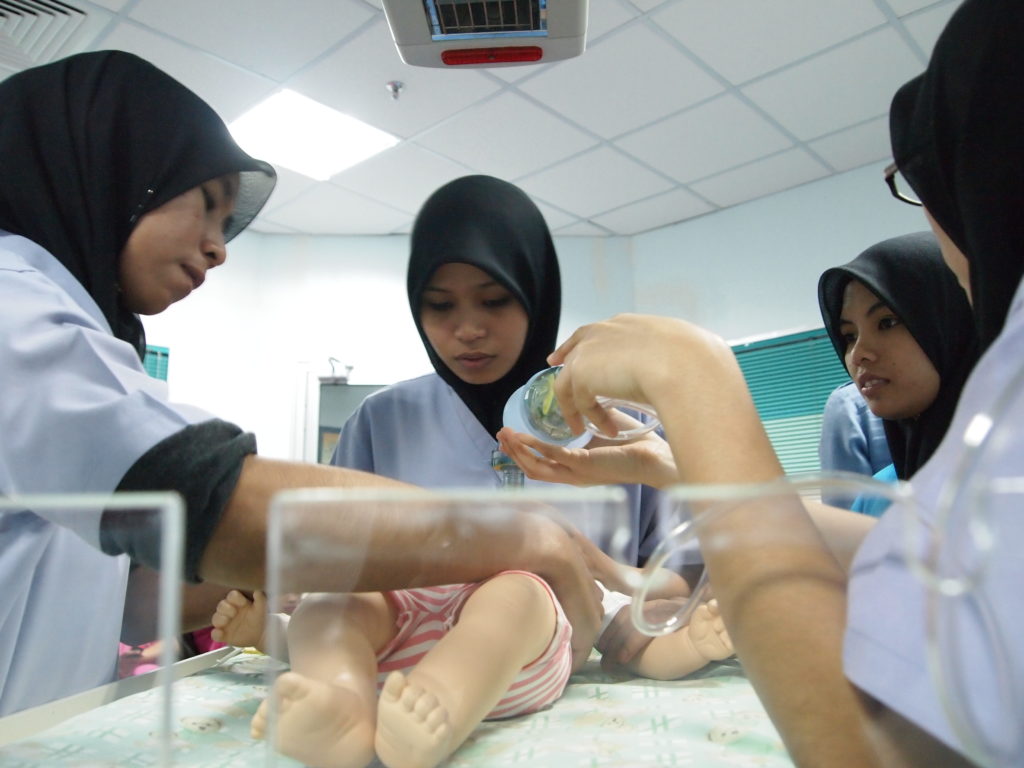

- Specialized hospital for cardiac diseases (both adult & children) in Jakarta. (legacy.himss.org)
- Tip: If you need heart intervention or surgery, this specialist centre will offer high focus.
7. Pertamina Central Hospital (Kebayoran Baru, South Jakarta)
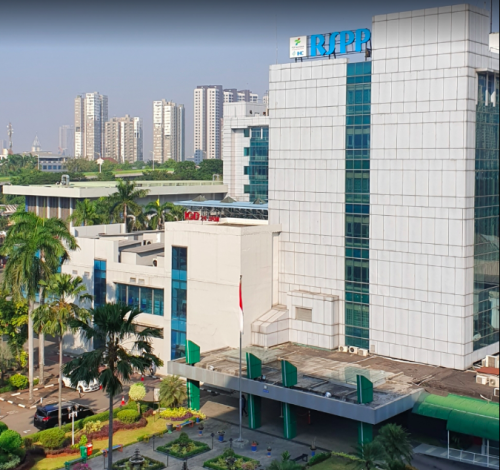

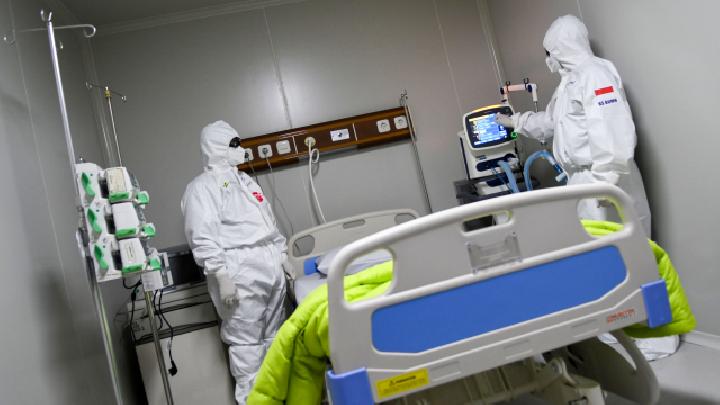
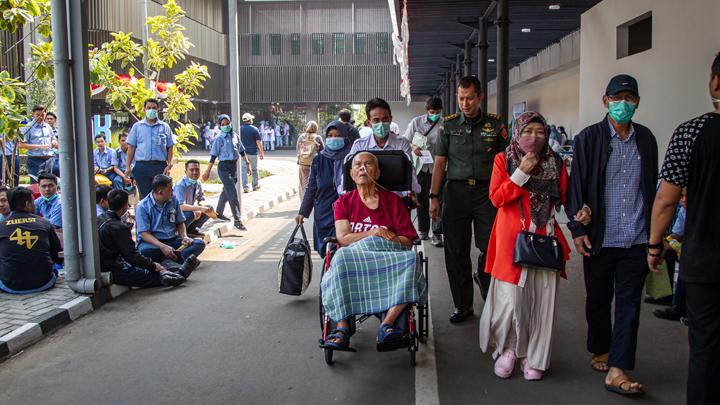


- State-owned hospital with broad general services. (Wikipedia)
- Tip: Offers solid option within the public/private mix and is centrally located.
8. RSIA Bunda (Mother & Child Hospital) (Central Jakarta)
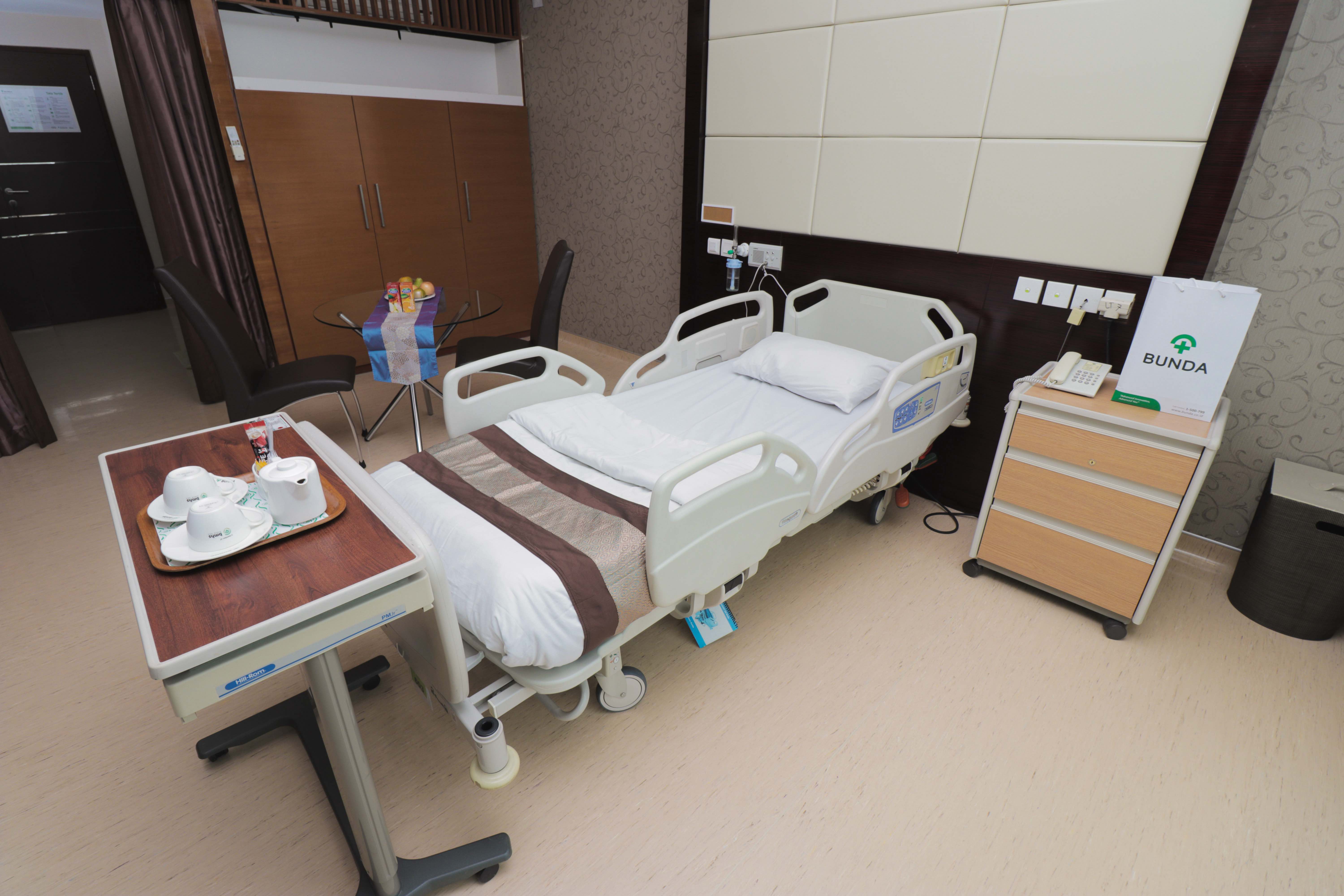
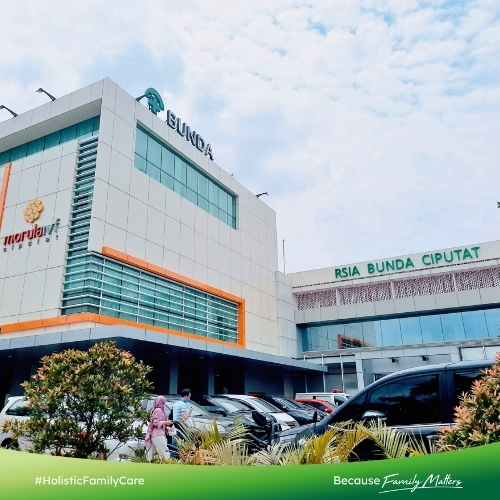


- Specialist hospital for maternity, mother & child health; recommended for families in Jakarta. (Little Steps)
- Tip: If you are pregnant or planning childbirth in Jakarta, this is among top choices.
9. Premier Bintaro Hospital (South Tangerang/Greater Jakarta)

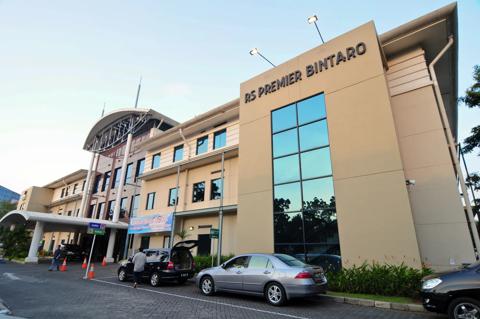
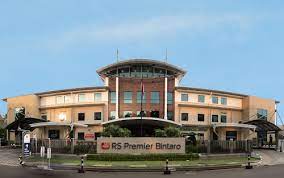


- Another international-standard hospital part of Premier network; recommended for families. (Little Steps)
- Tip: Located in the Bintaro area so good if you are staying in South/West Jakarta suburbs.
10. Mochtar Riady Comprehensive Cancer Centre Siloam Semanggi (South Jakarta)

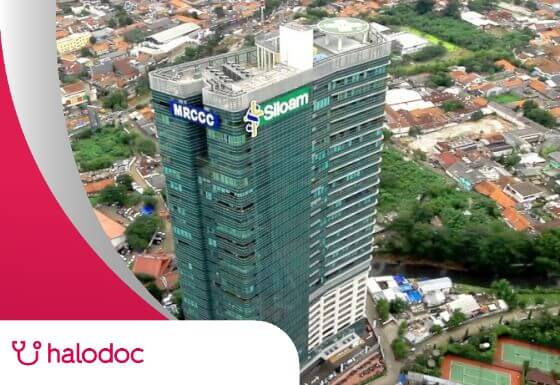
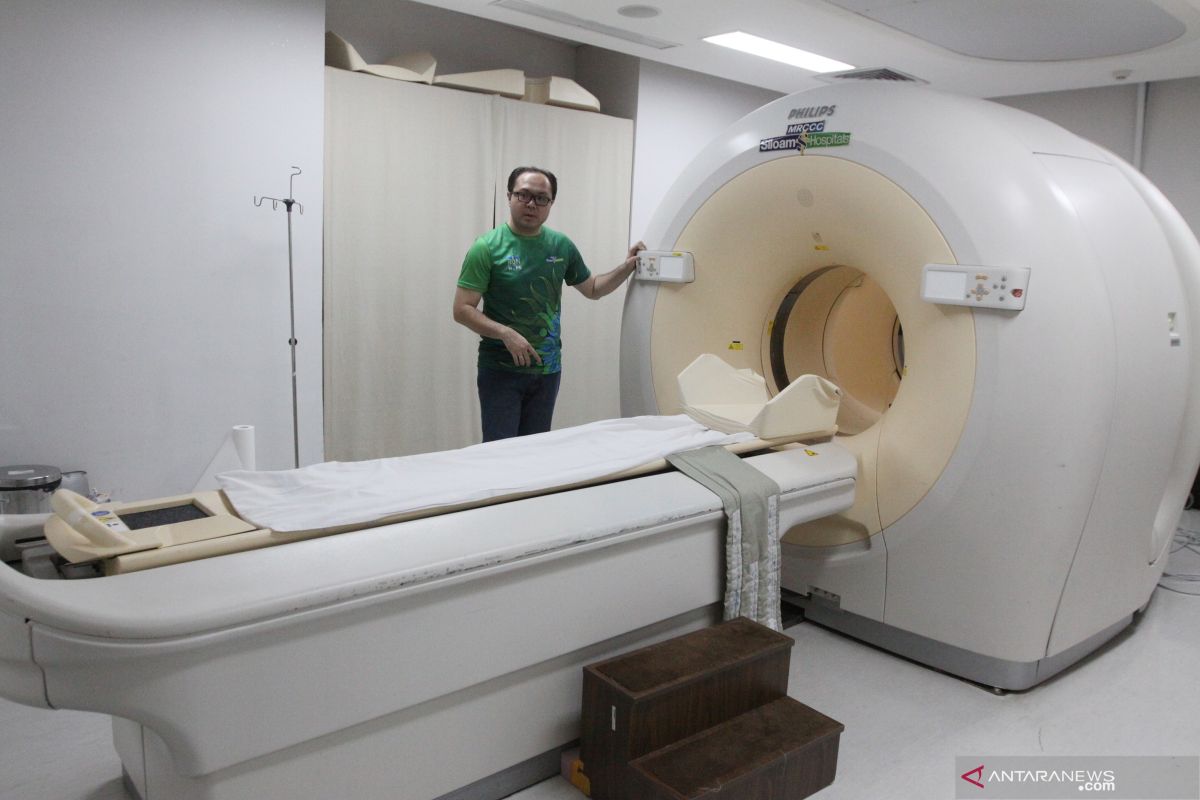
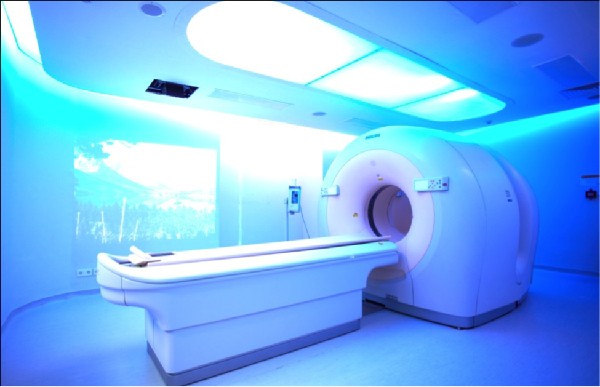

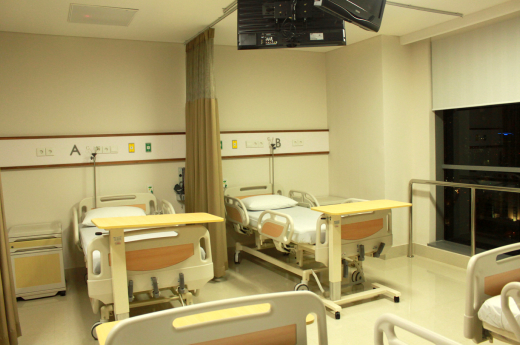
- A specialised cancer centre within the Siloam Hospitals network; noted for advanced oncology care. (watchdoq)
- Tip: If you require high-end oncology treatment, this centre should be in your shortlist.
11. RSUP Persahabatan (East Jakarta)
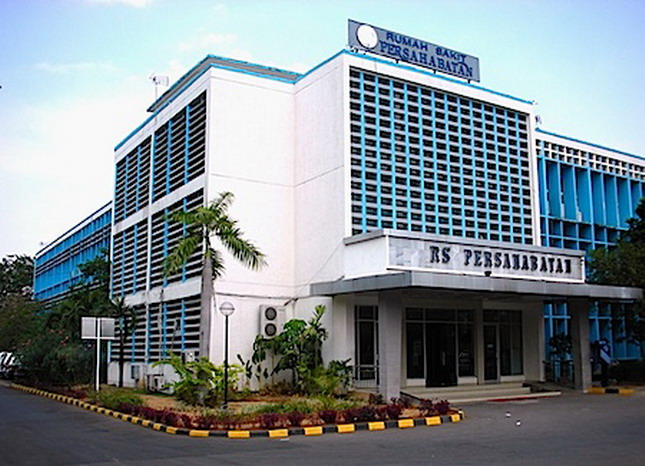
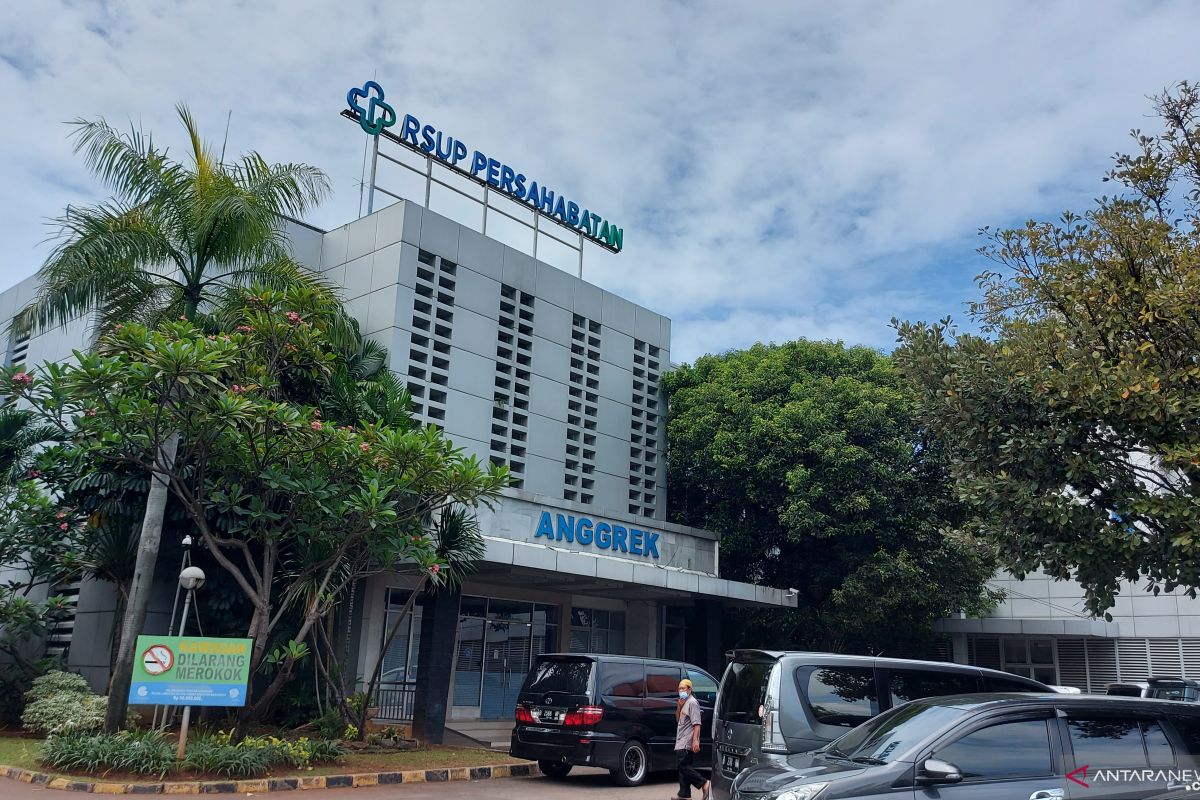

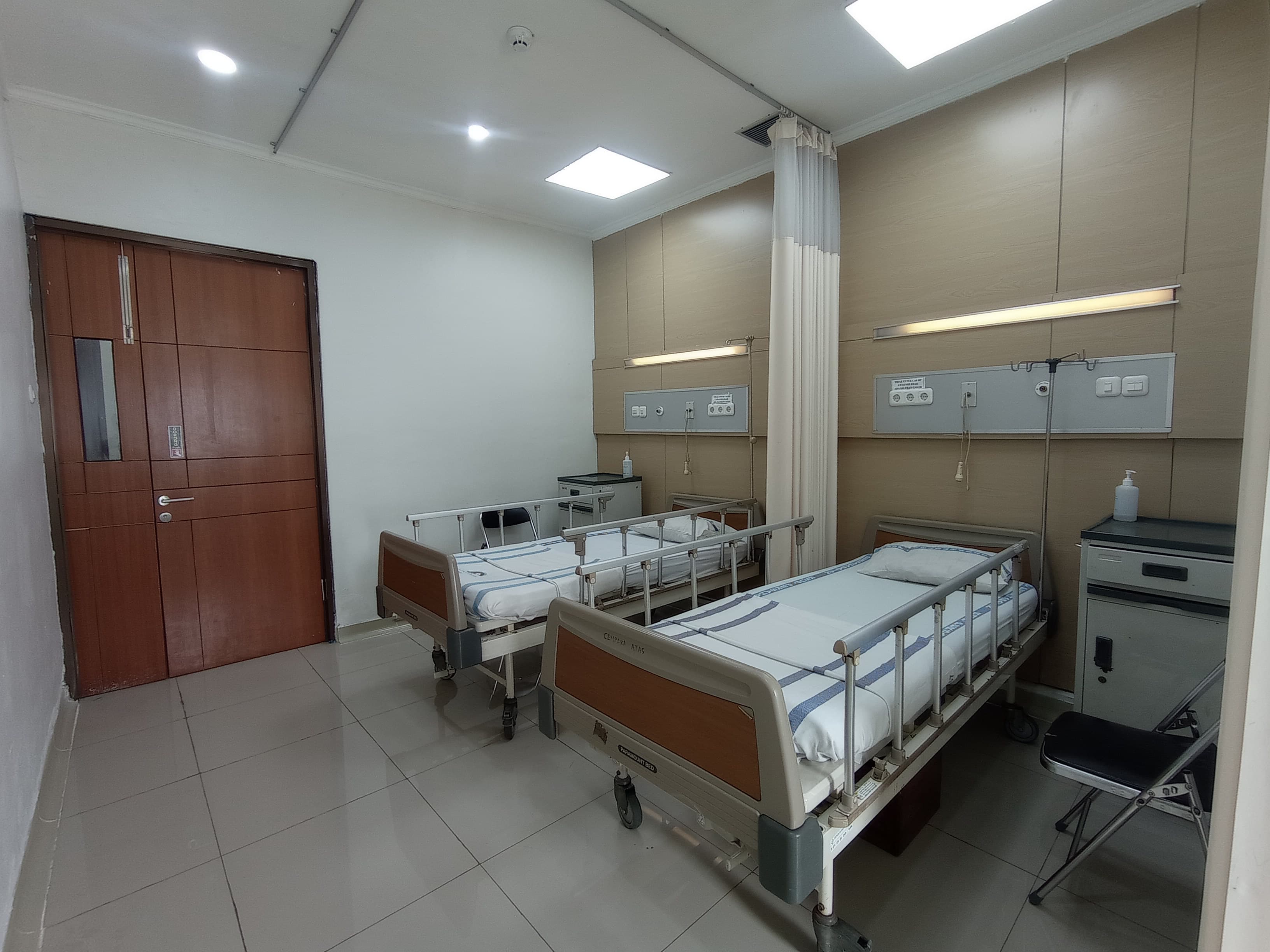
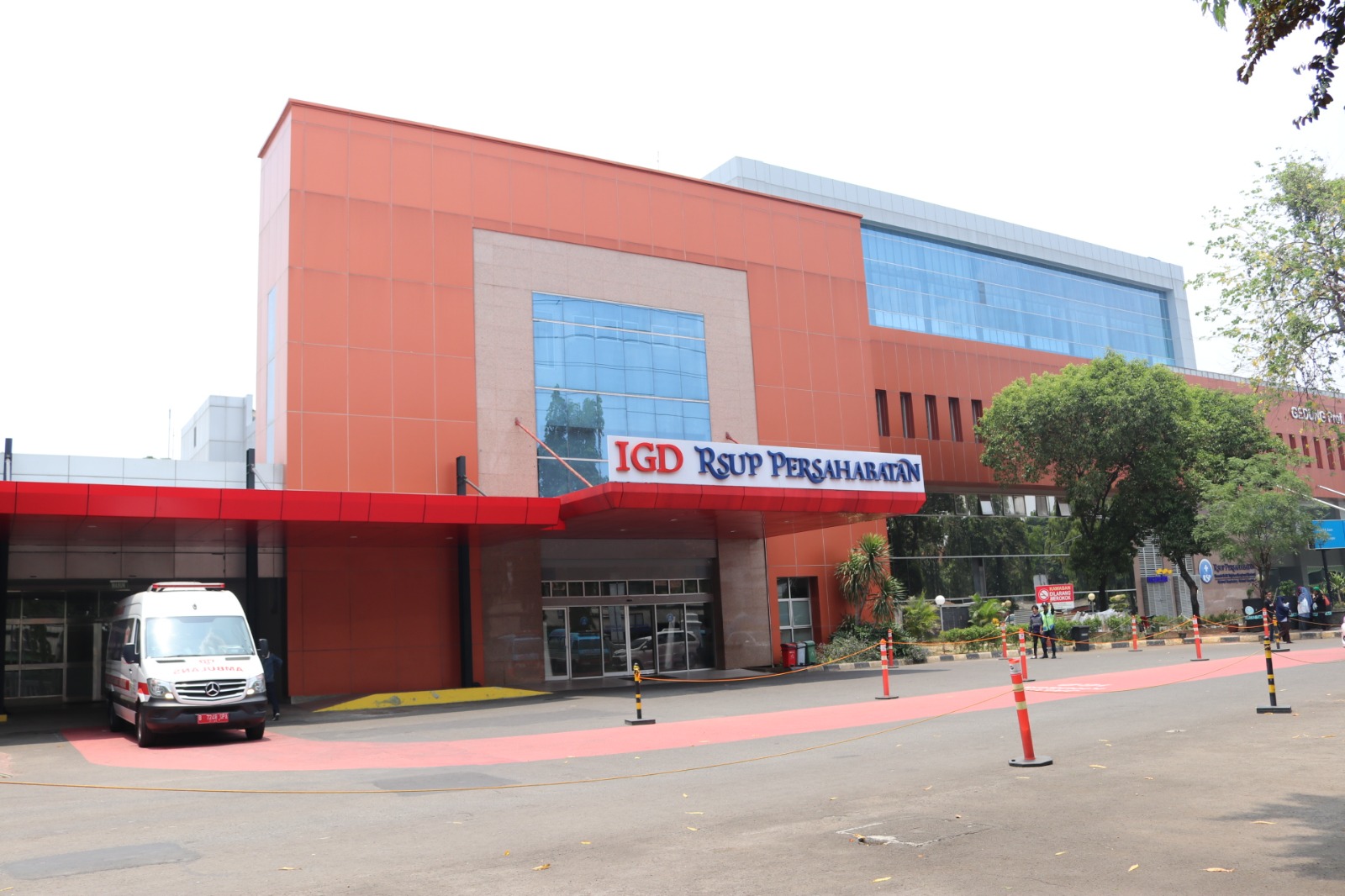
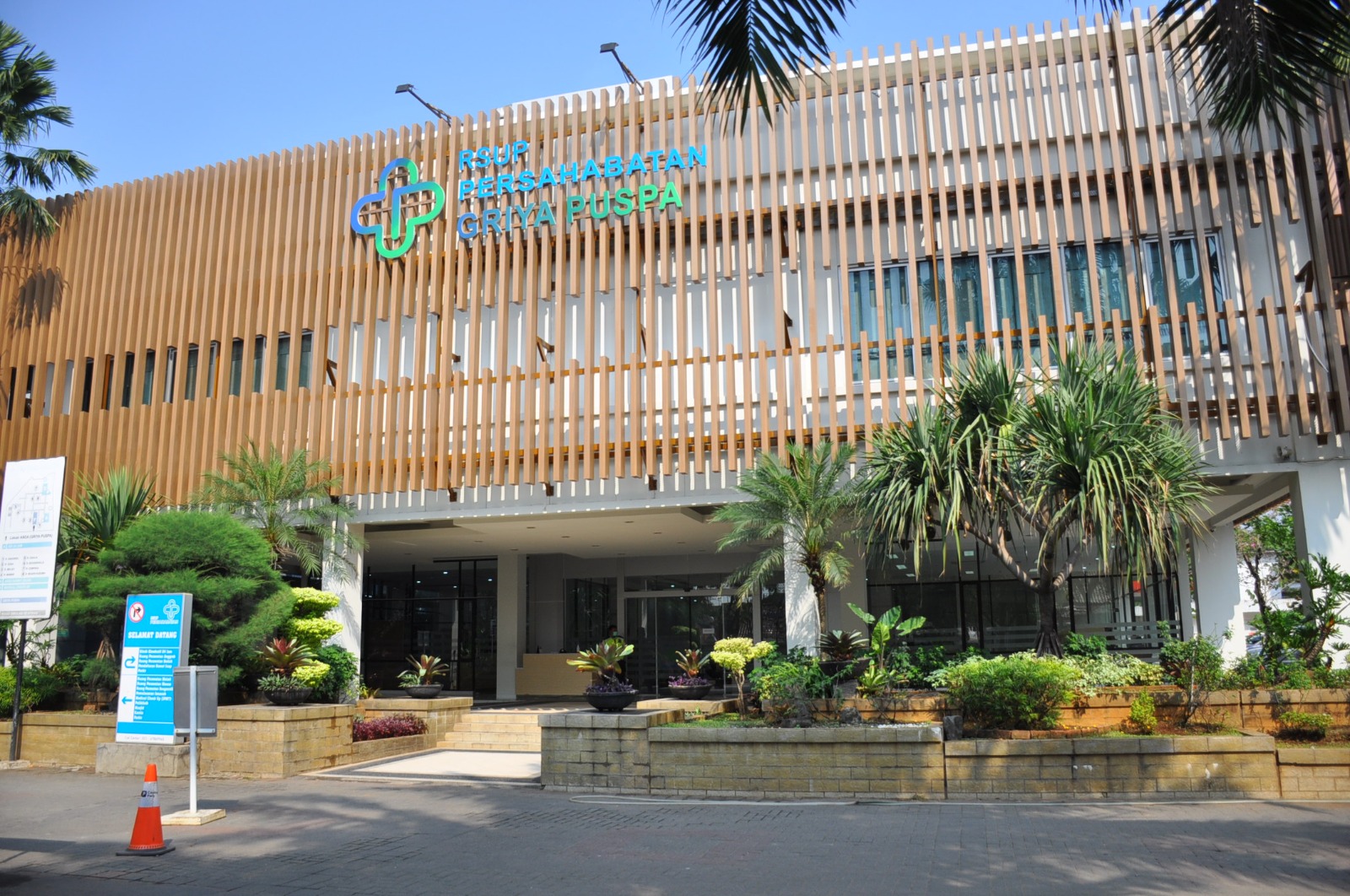
- Public referral hospital, especially recognised for pulmonology and respiratory care. (Statista Rankings)
- Tip: For respiratory illnesses, serious care, this is a strong option.
12. RS Mitra Keluarga (Jakarta – various branches)

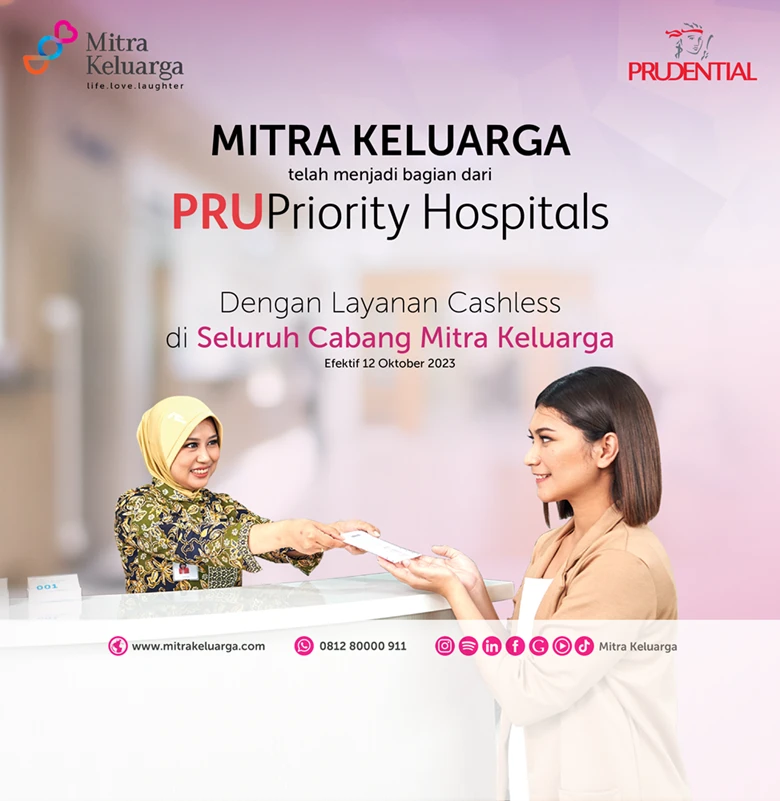
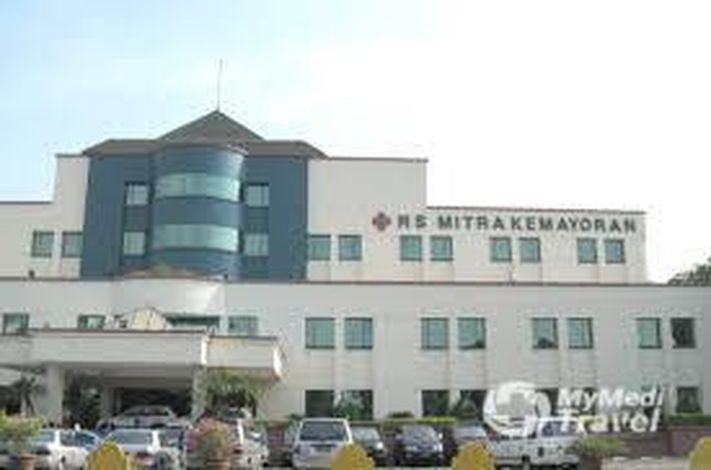

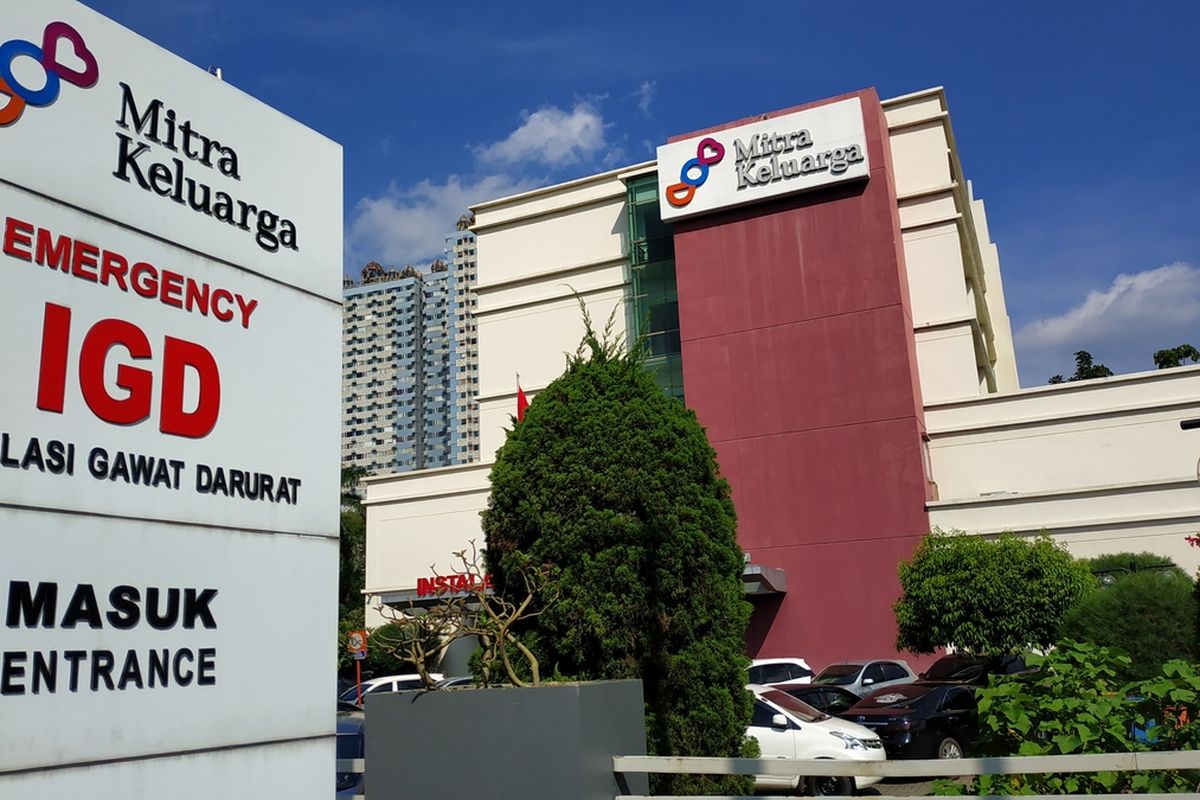
- Private hospital chain with good reputation for family medicine, obstetrics and general inpatient care. (My Hospital Now)
- Tip: Good mid-tier private hospital balancing cost and services.
13. JEC Eye Hospitals & Clinics (Jakarta – multiple locations)
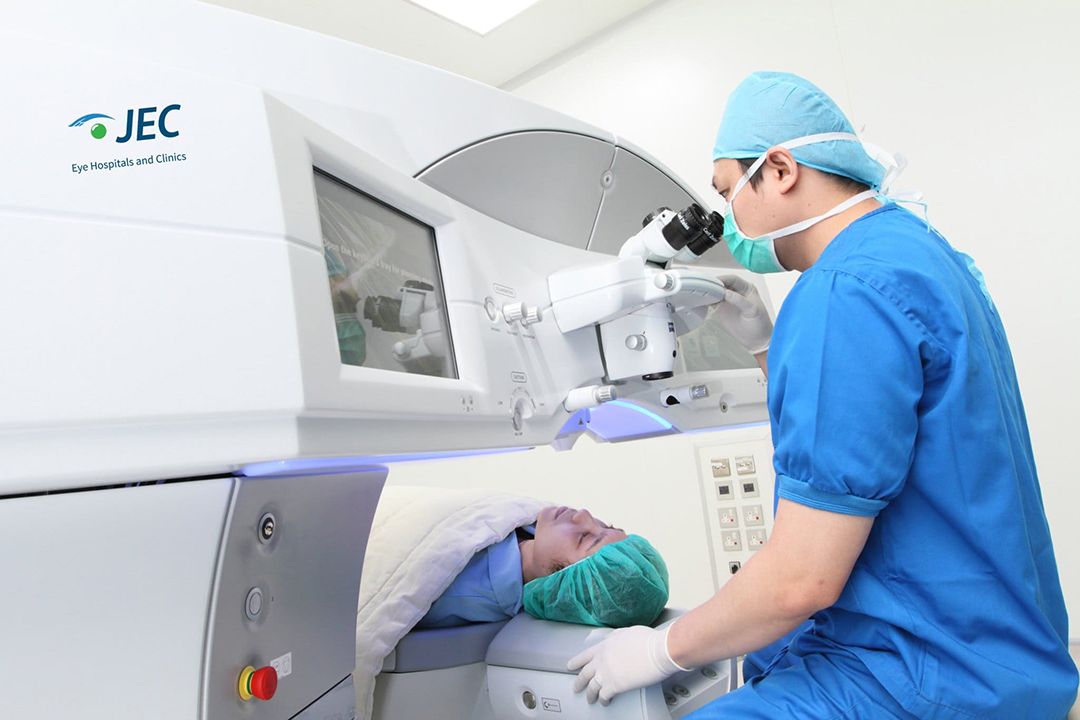
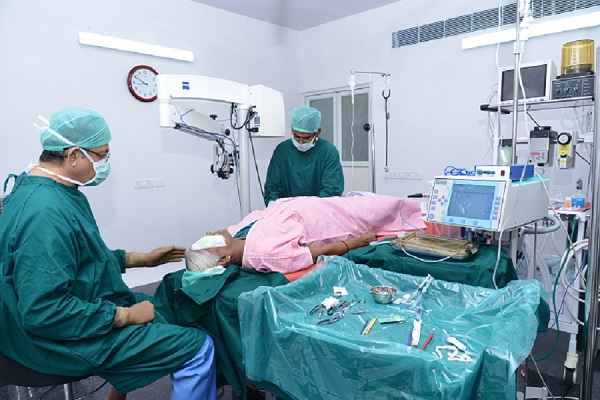



- Specialist ophthalmology hospital; advanced care for eye treatments in SE Asia. (Flip)
- Tip: Ideal for eye surgery, paediatric ophthalmology, low vision care.
14. Medistra Hospital (Jakarta)
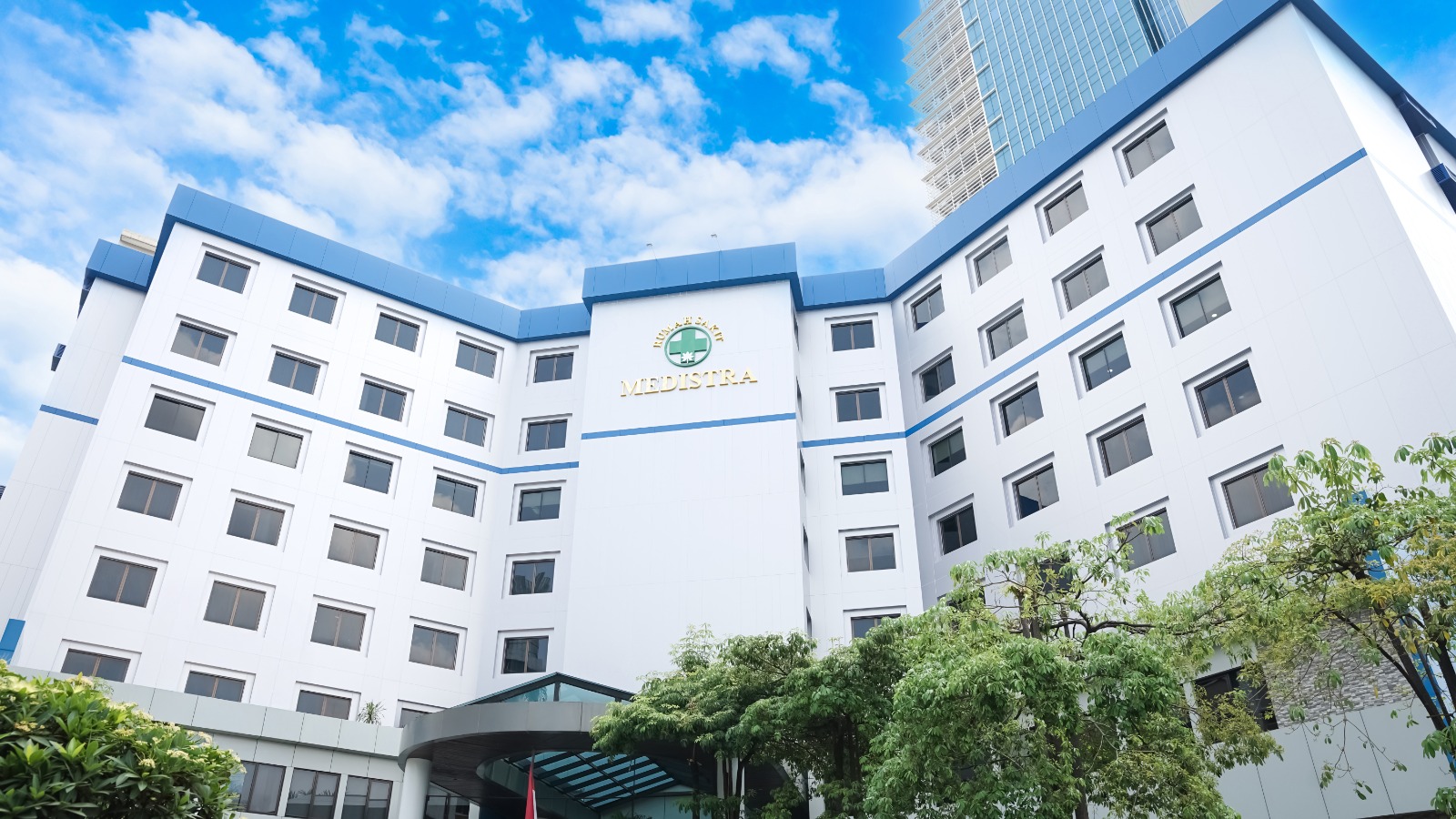
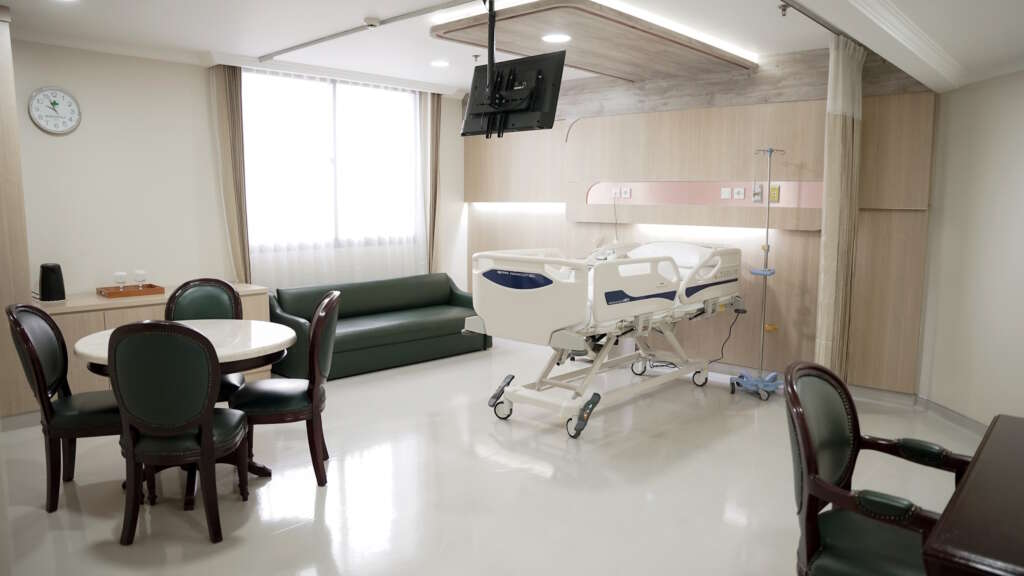
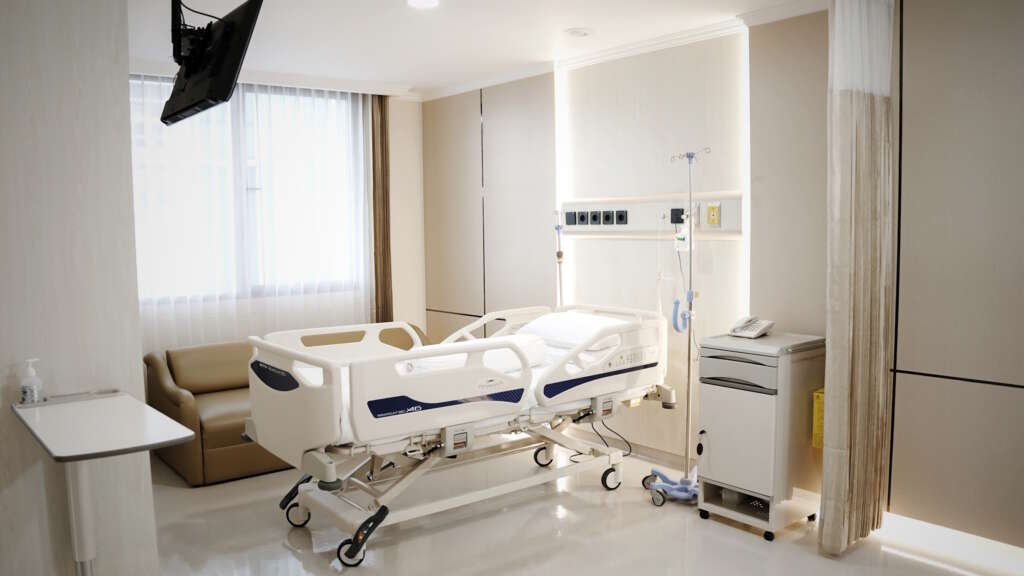
- Listed in UK’s government medical facilities list for Indonesia. (GOV.UK)
- Tip: Consider for general private hospital care; check specific specialty for your condition.
15. RSIA Brawijaya Antasari (South Jakarta)
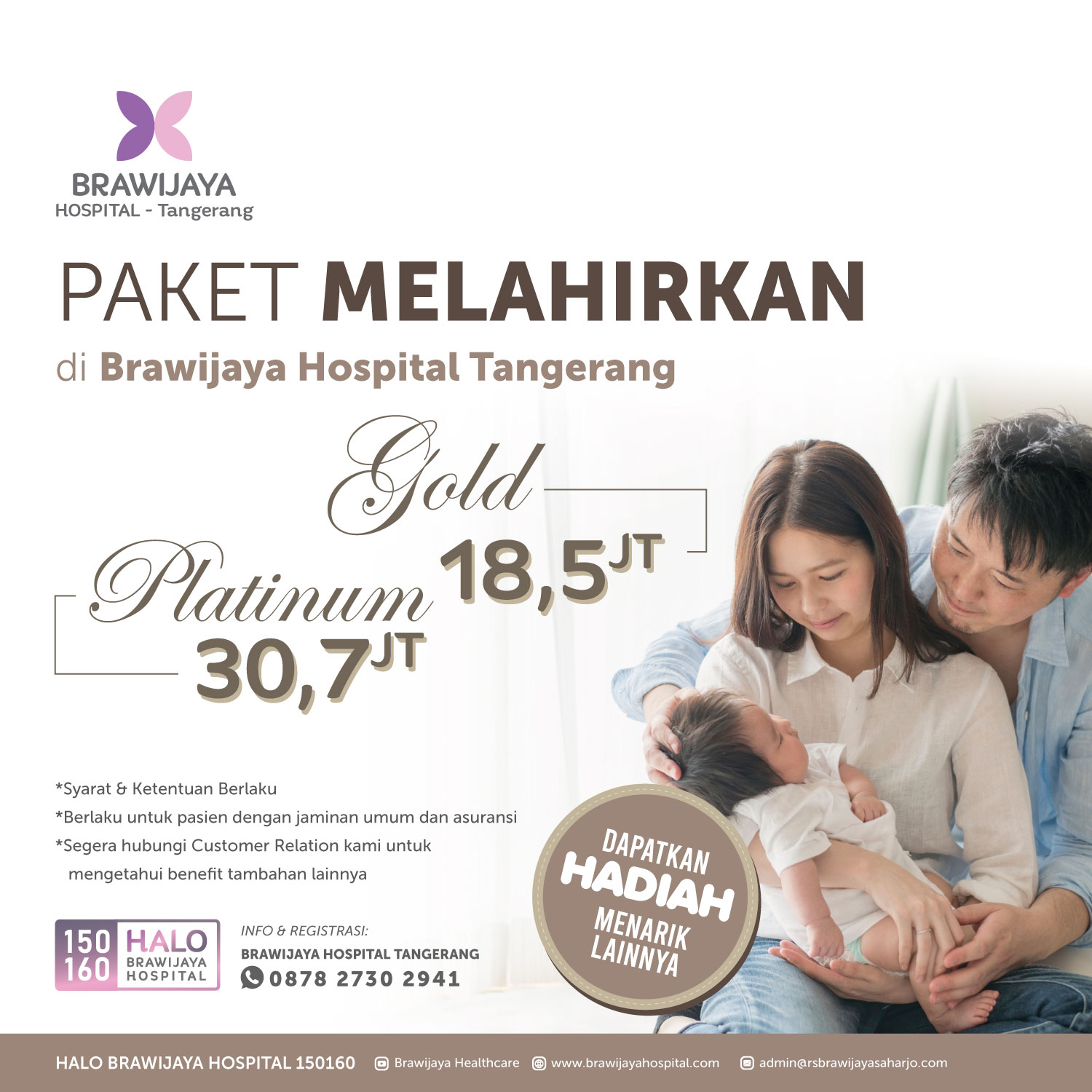


- Private mother & child hospital; recommended for obstetrics, paediatrics in South Jakarta. (Pacific Prime)
- Tip: For childbirth, NICU services, this is a solid choice.
16. Tzu Chi Hospital PIK (North Jakarta / PIK area)




- Private hospital in North Jakarta; noted for inclusive care and volunteer translators for Mandarin-speakers. (Little Steps)
- Tip: Good option if you are in North Jakarta or want a hospital with multi-language support.
17. Hermina Hospitals Group – Jakarta chain
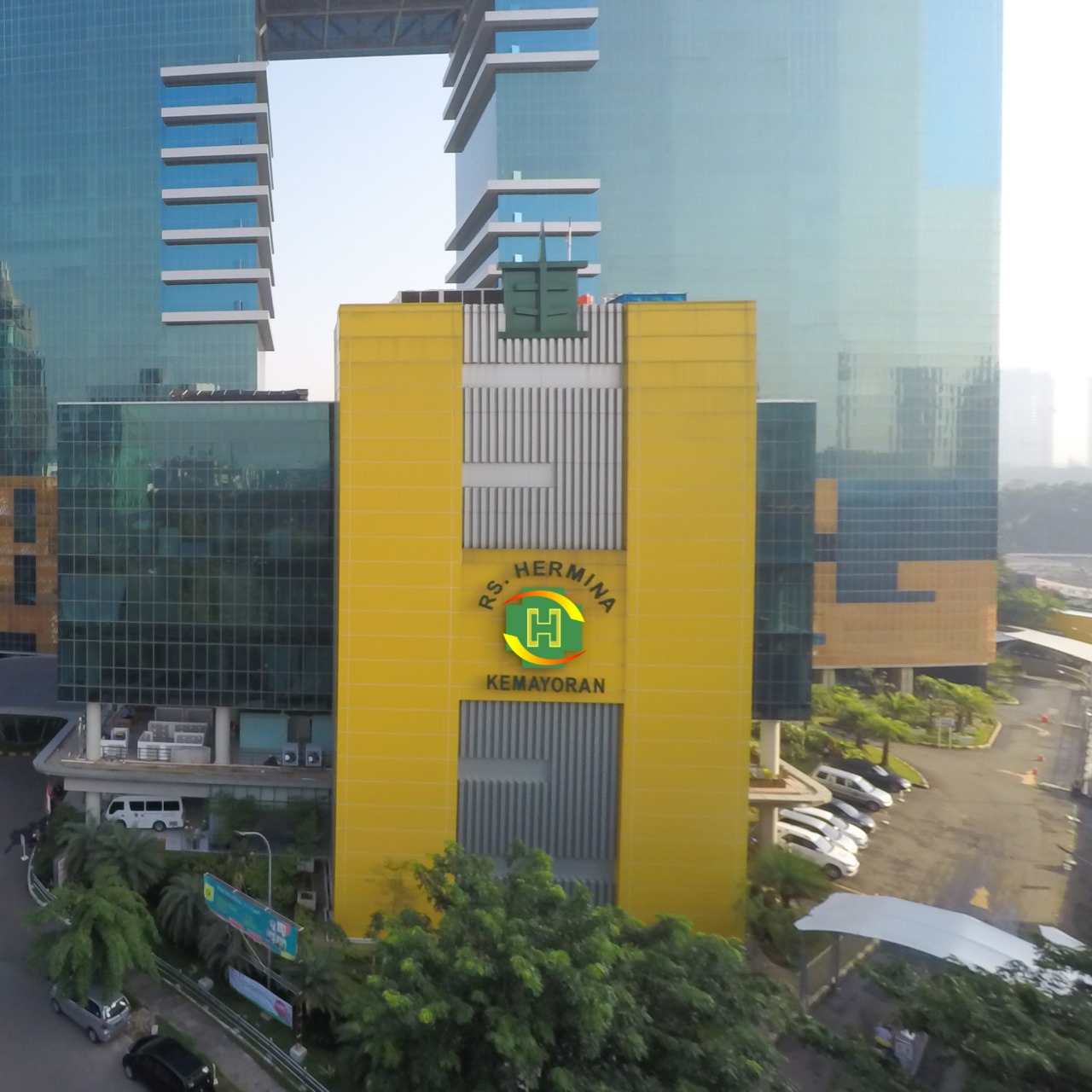


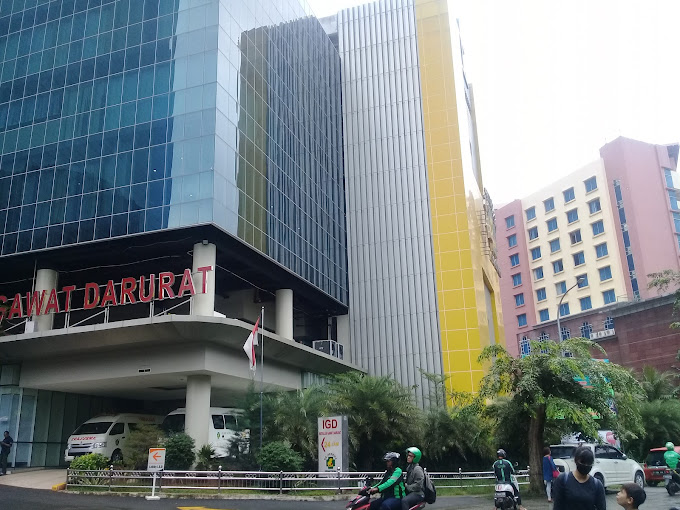
- Hospital chain headquartered in Jakarta; many branches across Indonesia. (Wikipedia)
- Tip: For more accessible branches (especially near suburbs) this chain is convenient.
18. Mayapada Hospital South Jakarta

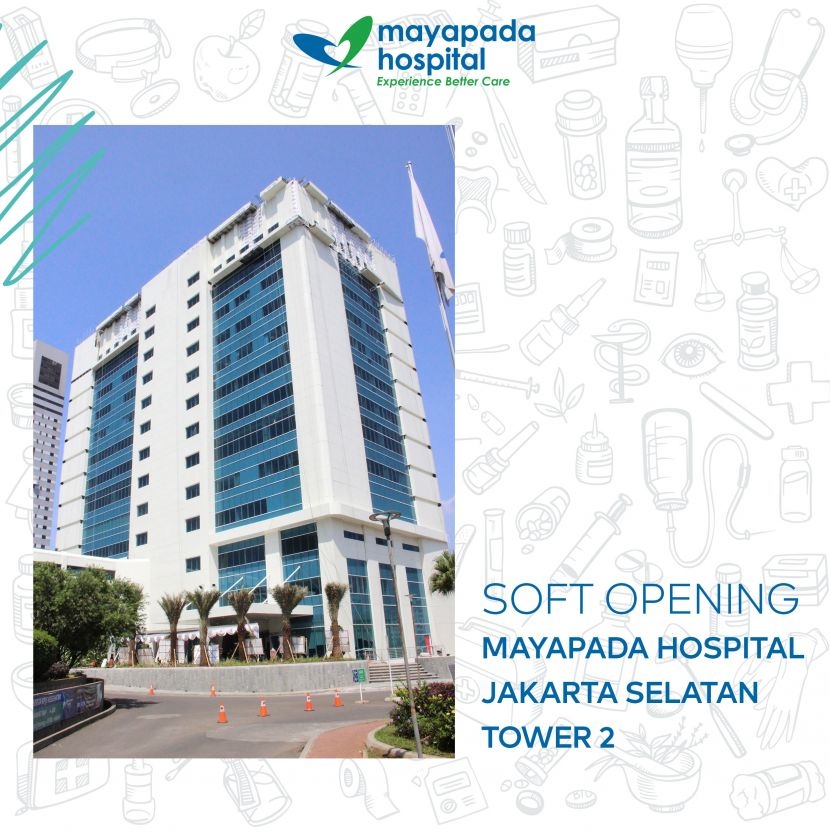
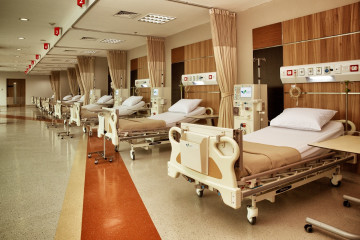
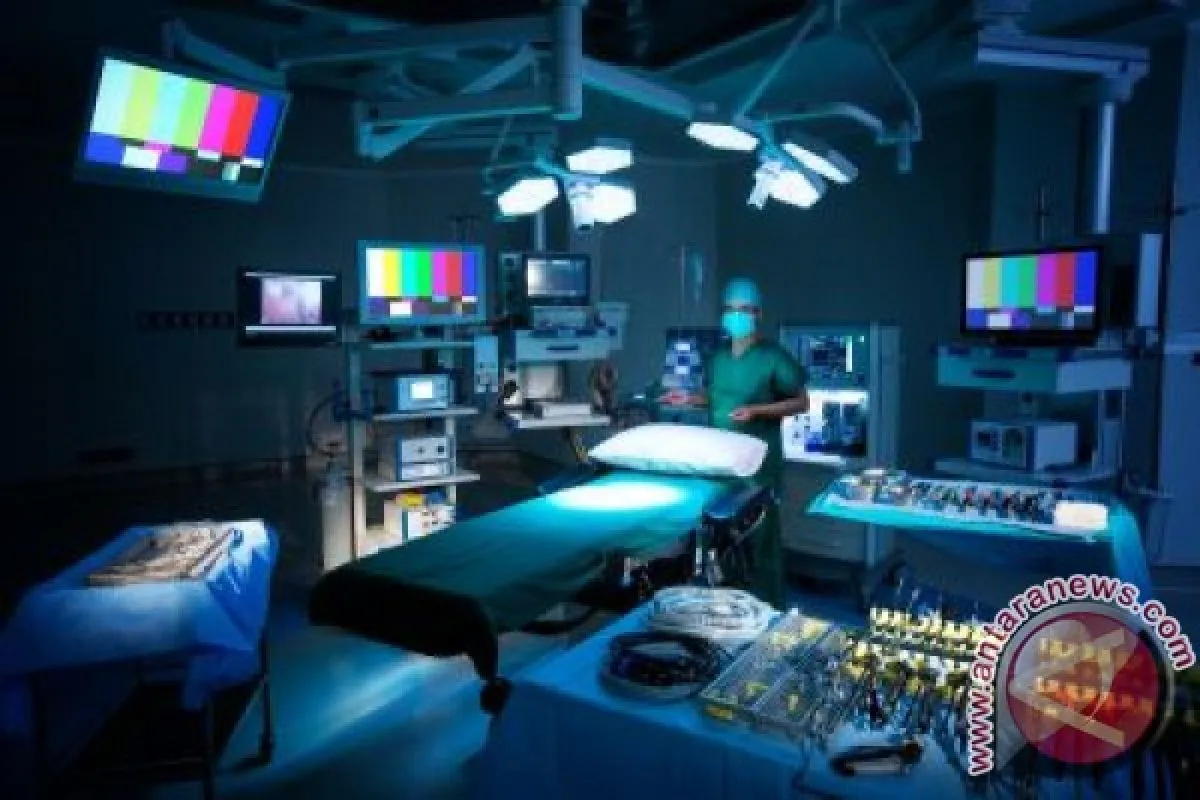
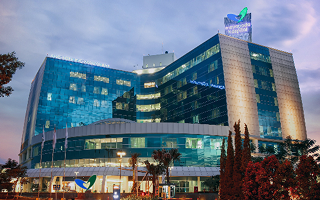
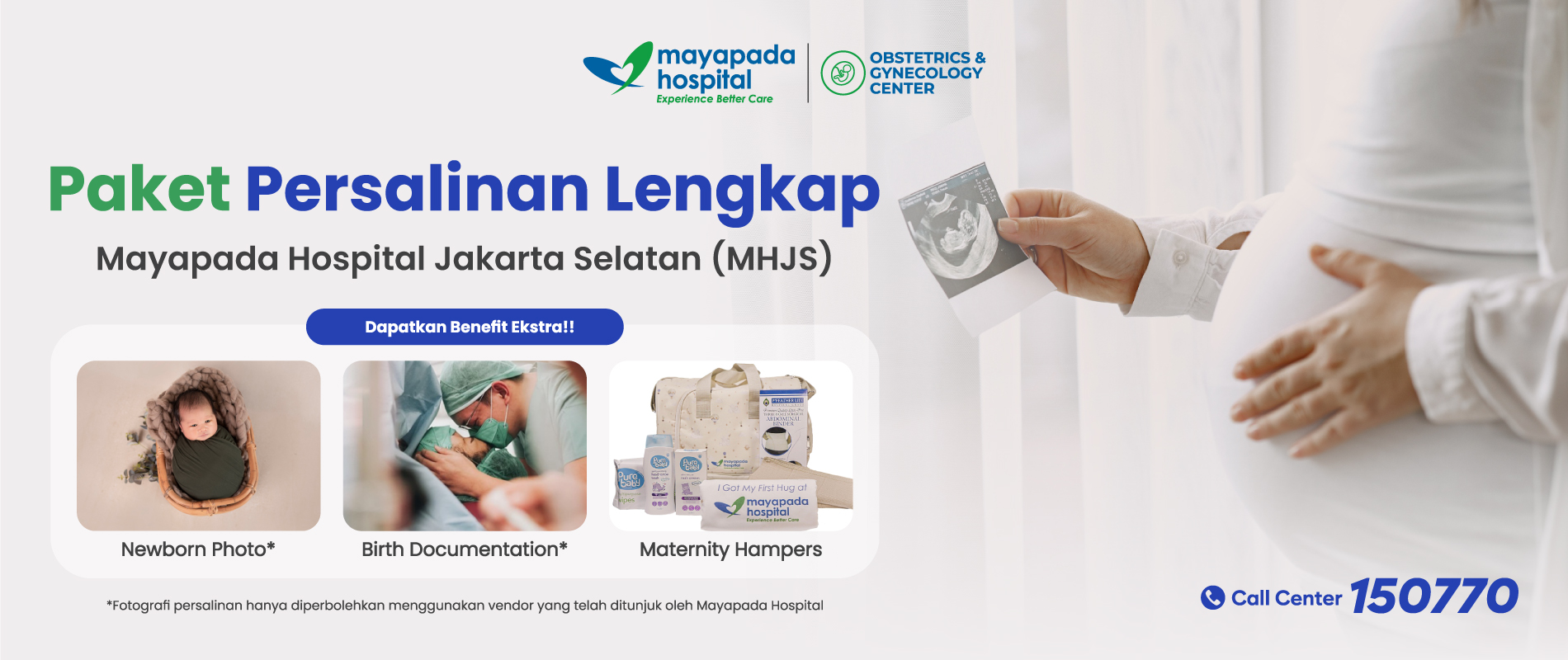
- Private hospital in South Jakarta; part of Mayapada Healthcare Group (which is expanding).
- Tip: Check for current accreditation and specialties if you choose this hospital.
19. RS Premier Bintaro (South Tangerang / Jakarta-adjacent)




- Family-oriented hospital with international accreditation, good location for south suburbs. (Little Steps)
- Tip: If you are staying in or around Jakarta’s south suburbs, this may be very convenient.
20. RS Penampang (this is outside?) [Note: We may include another Jakarta hospital such as RS Premier Mangga Besar or a similar hospital]
(Because exact “top 20” list published sources may vary, you may consider other recognised hospitals in Jakarta such as RS Siloam Mampang, RS Mitra Keluarga Kemayoran etc. Always verify current accreditation.)
Why Quality Hospitals in Jakarta Matter
- Improving global recognition: Indonesian hospitals are gaining global reputation. For example, the University of Indonesia Hospital recently ranked 62nd globally in the 2025 Brand Finance Global Top 250 Hospitals. (Brand Finance)
- Wide range of services: From general medicine to high-end specialties (oncology, cardiology, neurosurgery).
- Cost-effective: Compared to some Western countries, care in Jakarta may be more affordable while still offering advanced equipment.
- Accessibility for expats/tourists: Many private hospitals offer English-speaking staff, international patient services and more comfortable accommodations.
- Challenges exist: Public hospitals may be crowded; some branches may not have full international staff; always check accreditation and specialties.
What to Consider When Choosing a Hospital in Jakarta
- Accreditation: Look for internationally accredited hospitals – many private hospitals in Jakarta have JCI (Joint Commission International) or other recognised accreditation.
- Specialty vs general care: Do you need a general hospital or a specialised centre (e.g., cancer, heart, maternity)?
- Language & International Patient Services: For non-Indonesian speakers, hospitals with dedicated international patient units are preferable.
- Location & access: Traffic in Jakarta can be severe; choose a hospital that’s accessible from your home or stay.
- Cost & insurance: Clarify cost estimates, whether international insurance is accepted, what the payment process is.
- Accommodation & amenities: If you want private rooms, family stay, etc., check the hospital’s room classes and services.
- Follow-up & continuity of care: Especially important for chronic conditions; check whether the hospital offers outpatient follow-up, rehab, etc.
- Emergency care & ICU: If your condition is acute, check hospital’s ER/ICU capability, 24-hour availability.
- Reviews & reputation: Speak to former patients, check online reviews but also meet the doctors.
- Pre-visit preparation: Ask for medical records translation if needed, check visa/immigration/insurance issues if you’re an expat or tourist.
FAQs — 50 Common Questions & Answers
Here are 50 frequently asked questions (with detailed answers) about hospitals in Jakarta, choosing care, what to expect, etc.
- Q: How do I choose the right hospital in Jakarta for my condition?
A: First identify your condition’s specialty (e.g., heart, cancer, maternity). Then check which hospitals in Jakarta offer that specialty with strong reputation and accreditation. Consider language, location, insurance acceptance, cost and comfort. For example, if you need advanced oncology, you might pick Mochtar Riady Comprehensive Cancer Centre Siloam Semanggi. If you need general tertiary care, RSCM is a major public referral centre. - Q: Do hospitals in Jakarta accept international patients?
A: Yes, many private hospitals in Jakarta specifically cater to international patients. For instance, Rumah Sakit Premier Jatinegara is noted for its international patient services. (Flip) When you book, enquire about “International Patient Relations” or “English-speaking staff”. - Q: Are there English-speaking doctors and staff?
A: In many private hospitals, yes—especially those geared for expats or medical tourism. You should ask ahead of time. The larger public hospitals may have less availability of English-speaking staff. - Q: How much does treatment cost compared to my home country?
A: Costs vary widely depending on hospital, room class, specialty, procedure. Indonesia often offers lower costs than Western countries for similar procedures, but you should get a detailed quotation and check what’s included (e.g., surgeon fees, ICU, consumables). - Q: Does international health insurance cover hospitals in Jakarta?
A: Many international insurance plans will cover treatments in Jakarta hospitals, especially private ones with accreditation. However, you must verify that the hospital is recognised by your insurer, that prior authorization is given, and whether international patient services are included. - Q: What does “accreditation” mean and why is it important?
A: Accreditation (e.g., JCI) signals that the hospital meets international standards for patient safety, quality of care, infection control and hospital management. Hospitals with accreditation are generally more reliable for complex care. - Q: Are public hospitals in Jakarta less good than private ones?
A: Not necessarily “less good” — public hospitals like RSCM are large referral centres with extensive specialties and teaching function. However, they may be more crowded, have longer wait times, and less luxury amenities compared to private hospitals. - Q: Does the hospital in Jakarta accept walk-in emergencies?
A: Yes, most major hospitals (public and private) have 24-hour emergency departments. For example, RSCM has emergency services. Always carry your ID, insurance card and be prepared for admission procedures. - Q: How do I book an appointment in a Jakarta hospital?
A: For private hospitals you can often book online or by phone, or via an international patient desk. For public hospitals you may need referral from a doctor. It’s wise to call ahead, ask about language, availability of your specialist, estimated wait time. - Q: What documents do I need when going to a hospital in Jakarta as a foreigner?
A: Typically: passport, visa/residence permit if applicable, insurance card/policy, referral letter (if required), medical records (preferably translated into English or Indonesian), list of medications, previous imaging reports, consent forms. Check the hospital’s international patient unit for guidance. - Q: Will my overseas medical records be accepted?
A: Yes, hospitals typically accept overseas records, but it helps if they are in English or Indonesian and contain clear diagnosis, previous treatment, test results, imaging CDs. Carry originals and copies. - Q: What room types are available?
A: Most private hospitals offer multiple room classes: standard/shared ward, semi-private, private, VIP, suite. Public hospitals may have fewer premium room options. If you want more comfort (family stay, private bathroom, lounge) select the right class and check pricing. - Q: How about language for non-Indonesian speakers?
A: Private hospitals geared for international patients often provide international patient services with English-speaking staff or even translators. Hospitals like Tzu Chi in PIK provide translators for Mandarin. (Little Steps) Always ask ahead of time. - Q: What are the waiting times like?
A: Private hospitals generally have shorter waiting times for appointments and procedures; public hospitals may be busier and have longer waits. It depends on specialty, availability of the consultant doctor, insurance/administrative gating. - Q: How is the cost of living and hospital stay in Jakarta?
A: Hospital room, food, medication costs are typically lower than in Western countries, but for premium private facilities you may still incur substantial costs. Always ask for “estimated cost of treatment” and “what is included”. - Q: Can I bring my own medications into Indonesia/hospital?
A: Yes, generally you can bring medications, but declare at customs if required. Inside the hospital they will verify your medication list, dosing and whether the same medicine is available locally. For controlled substances check regulations. - Q: What about post-hospital care, rehabilitation or follow-up?
A: Many hospitals provide outpatient clinics for follow-up, and some have rehabilitation services. If you are returning home soon, ask for discharge plan, local referrals, export of records, and pharmacy support. - Q: If I need specialised treatment (e.g., cancer, heart), which hospitals should I consider?
A: For oncology: Dharmais, MRCCC Siloam Semanggi. For cardiology: Jakarta Heart Center. For general tertiary referral: RSCM. For maternity/family: RSIA Bunda, RSIA Brawijaya. Always verify the subspecialty team. - Q: Are there hospitals with paediatric specialist services?
A: Yes, many hospitals have paediatric departments, NICU/PICU units. For example RSIA Bunda – mother & child services. Some general hospitals also have strong paediatric teams. - Q: What’s the situation for maternity / childbirth care?
A: Private hospitals offering maternity/mother-child units are good options: RSIA Bunda, RSIA Brawijaya, some private branches of Pondok Indah Group. They often provide prenatal care, delivery, NICU, postpartum education. - Q: How about dental/oral medicine services?
A: Some hospitals have integrated dental/oral medicine clinics (for example RSPI mentions dental & oral medicine among its services). (RS Pondok Indah) If dental-only clinic suffices, also consider standalone dental specialist clinics. - Q: Is medical tourism a thing in Jakarta?
A: Yes, to some extent. Many private hospitals market to international patients, offering English support, packages, concierge services. However medical tourism is more developed in e.g., Malaysia or Thailand; Jakarta is growing. - Q: What about after-hours / emergency access in Jakarta hospitals?
A: Major hospitals listed here have 24-hour emergency departments. For critical illness you can go directly to ER, but having prior contact/phone number is helpful. - Q: Does Jakarta hospital infrastructure support advanced treatments (e.g., PET/CT, robotic surgery)?
A: Yes — e.g., MRCCC Siloam Semanggi offers PET/CT scans for oncology. (watchdoq) Some hospitals offer minimally invasive surgery, etc. - Q: Are hospital-acquired infections a concern?
A: In any hospital globally there is risk; choosing accredited hospitals, verifying infection-control protocols, and maintaining your own hygiene practices help mitigate risk. - Q: How easy is it for foreigners to pay or arrange for billing and insurance?
A: Private hospitals often have international patient billing desks; they accept major credit cards, international insurance pre-authorization. Public hospitals may require upfront payment or guarantee. Always ask for written estimate and payment terms. - Q: What about language for non-Indonesian speakers beyond English (e.g., Mandarin, Arabic)?
A: Some hospitals provide multilingual service; for example Tzu Chi Hospital offers volunteer translators for Mandarin. (Little Steps) If you speak a language other than English, check with hospital whether translation is available. - Q: How do I handle medical records and transfer of care back to my home country?
A: Ask the hospital for digital copy of your records, summary discharge note in English (or your language), imaging reports/CDs. You may also request translation if needed. Keep originals and digital backups. - Q: What should I check about the doctor/surgeon?
A: Check credentials, specialist training, language fluency, previous outcomes, hospital privileges. Many hospitals provide profiles of their consultants on their websites. - Q: Are there hospitals specialising in children’s illnesses?
A: Yes; e.g., some mother-and-child hospitals include paediatric units. In general hospitals you’ll find NICU, PICU. If you need a purely paediatric specialty hospital you may need to research further. - Q: What happens if my preferred hospital is full or on long waitlist?
A: Then look at alternate hospitals nearby, or check private sector for faster access. Early booking is beneficial. Private hospitals generally have shorter waiting. - Q: Are pre-admission consultations available for patients coming from abroad?
A: Many international patient units allow remote consultation via tele-medicine, package costing, pre-arranged admission. Contact the hospital’s international desk. - Q: What about the quality of doctors in Jakarta compared to home country?
A: Indonesia has many highly trained specialists, some trained abroad; for recognised hospitals the quality is very good. But always verify specialist credentials, reviews, ask for second opinion if uncertain. - Q: Is outpatient care (clinics) easy to access?
A: Yes, both private and public hospitals have outpatient clinics. Private hospitals typically allow easier scheduling. For chronic care plan ahead and register with the outpatient unit. - Q: Do hospitals in Jakarta provide telemedicine / virtual follow-up?
A: Increasingly yes. Many private hospitals are adopting digital health platforms (for example, RSPI emphasised digital hospital system). (NOW! Jakarta) Ask at the hospital if they provide virtual follow-up especially if you will return home. - Q: What about languages of medical records and billing?
A: English translations are often available in private hospitals; ask about this to ensure you can understand your bills and records. For legal/insurance purposes having English summary is helpful. - Q: Are there branch hospitals or network hospitals in Jakarta (so if one branch is full I can go to another)?
A: Yes. For example the Siloam Hospitals network has many branches across Jakarta/Jabodetabek. The Pondok Indah Group has multiple locations (Pondok Indah, Puri Indah, Bintaro). This provides flexibility. - Q: What about rural vs urban hospital difference?
A: In Jakarta (urban capital) hospitals are relatively well-equipped; rural hospitals in Indonesia may have more limitations. For high-end care you are right in choosing Jakarta. (International Citizens Insurance) - Q: How do I evaluate patient reviews for Jakarta hospitals?
A: Consider factors like wait times, nurse/doctor attitude, facility cleanliness, room comfort, billing transparency, language support. Search expat forums and local reviews. While no review is fully objective, trends help. - Q: What about cultural/language barriers for foreign patients?
A: These exist, but many private hospitals anticipate them and have international desks. Ask about translation services, assistance with logistics (hotel, transport) if needed. - Q: What should I pack for hospital stay in Jakarta?
A: Comfortable clothing, your usual medications, printed list of medications, copies of previous medical records, passport/ID, insurance documents, comfortable shoes, phone charger, some cash or card for incidental payments, toiletries (some hospitals may supply). If you need special diet or cultural requirements mention to hospital ahead. - Q: Can I bring a companion (family/friend) to stay with me?
A: Yes in many private hospitals there are family rooms or guest accommodations. Check with hospital about policy for guest visitation, overnight stay, extra bed cost. - Q: If I have a telemedicine consult, will the hospital accept that for admission?
A: Many hospitals now accept telemedicine initial consult, but you’ll still need in-person assessment when you arrive. Ask the hospital about their process for international patients. - Q: What happens if I need transfer (air ambulance) back to my home country?
A: Some hospitals coordinate with international medical evacuation services. You should check with your insurance and the hospital’s international desk about evacuation support and costs. - Q: How is infection control and safety in Jakarta hospitals?
A: Accredited hospitals follow standard infection control practices. If you have special concerns (e.g., immunocompromised patient), inquire with the hospital’s infection control department and ask about private room availability, separation of wards etc. - Q: How about hospital food and dietary needs?
A: Many private hospitals will accommodate dietary requests (vegetarian, halal, special diets). Ask in advance. Public hospitals may have more basic options. - Q: What about billing transparency and hidden costs?
A: Always ask for an itemised estimate. Ask what is included (doctor fee, theatre fee, ICU, consumables, medications). Ask about what is not covered. Private hospitals often provide package costing for common procedures. - Q: How long do patients stay in hospital after major surgery?
A: That depends on the surgery and patient’s health. Private hospitals may have enhanced recovery programmes reducing stay. Ask the hospital for expected length of stay for your procedure, and about discharge criteria. - Q: Can I get translation of consent forms and hospital documentation?
A: Yes, many private hospitals provide English versions; ask for them. If your language is not English ask if translation is available into your language. - Q: What to do if I’m not satisfied with care?
A: Raise your concern first with the hospital’s patient relations or international patient desk. Request meeting with the attending doctor. Hospitals should have grievance process. As a foreigner you can also contact your embassy if needed, or your insurance provider.
Final Thoughts
Jakarta offers a robust selection of hospitals, from large public referral centres to highly-equipped private hospitals with international standards. The key is to match your needs (specialty, comfort, language, budget and location) with the right hospital choice. Use this guide as a starting point, contact shortlisted hospitals for quotes and services, check accreditation and consult your insurer.
Want a quick walkthrough of Hospi?
We offer gentle, no-pressure demos for hospitals, labs & clinics.
Or call us directly: +91 8179508852