
Looking to modernize your Hospital, Lab or Clinic?
Hospi is trusted across 25 Indian states for billing, EMR, lab reports, automations & more.
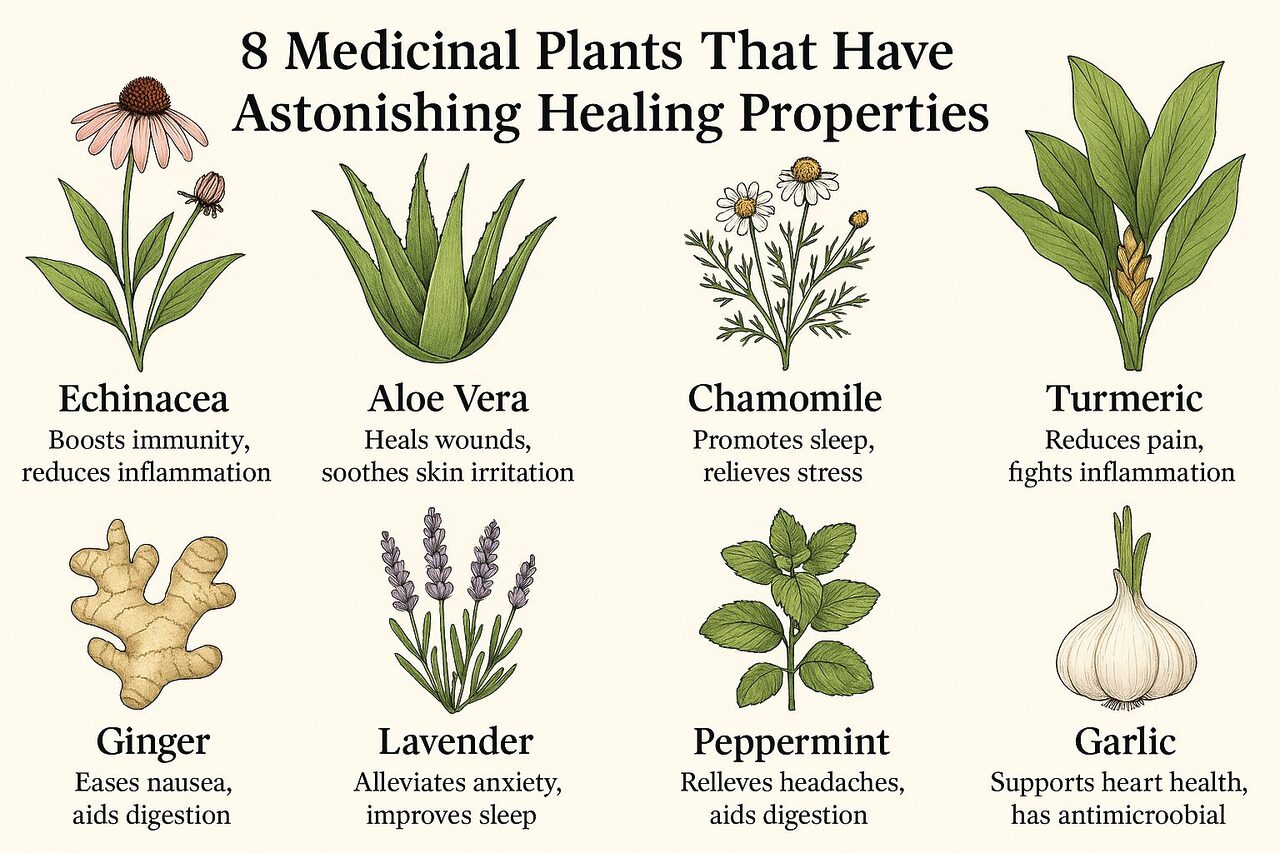
Since the dawn of civilization, humans have relied on nature for healing. Before modern pharmaceuticals existed, plants were the primary source of medicine—and even today, more than 25% of modern drugs are derived from plant compounds. These natural healers contain powerful bioactive compounds that strengthen immunity, reduce inflammation, aid digestion, and even protect against chronic diseases.
In this article, we’ll explore eight scientifically proven medicinal plants that possess astonishing healing properties—plants that have stood the test of time, supported by both traditional wisdom and modern science.
🌱 1. Tulsi (Holy Basil) – The Queen of Herbs
Overview
Tulsi, also known as Ocimum sanctum, is considered sacred in India and often grown in homes for its spiritual and medicinal value. Modern science supports its role as a powerful adaptogen—helping the body adapt to stress and maintain balance.
Healing Properties
- Immunity booster: Rich in antioxidants like eugenol and rosmarinic acid that combat free radicals.
- Stress reducer: Normalizes cortisol levels, easing anxiety and mental fatigue.
- Respiratory aid: Tulsi tea relieves coughs, asthma, and bronchitis symptoms.
- Heart protector: Regulates cholesterol and improves circulation.
Scientific Backing
A study published in Frontiers in Nutrition (2022) confirmed that Tulsi enhances immune modulation and reduces oxidative stress markers.
How to Use
Drink Tulsi tea daily or chew fresh leaves in the morning. Tulsi oil can be used for massages to relieve muscle tension.
🌿 2. Aloe Vera – The Plant of Immortality
Overview
Known as the “Plant of Immortality” by the Egyptians, Aloe Vera (Aloe barbadensis miller) is one of the most versatile medicinal plants. Its gel-like sap is packed with enzymes, vitamins, and polysaccharides.
Healing Properties
- Skin healer: Speeds up wound healing and soothes burns.
- Digestive soother: Aids in gastritis and acid reflux relief.
- Detoxifier: Helps cleanse the liver and improve hydration.
- Antibacterial: Prevents infections when applied to wounds.
Scientific Backing
Research in Journal of Ethnopharmacology (2019) found that Aloe’s acemannan polysaccharide enhances collagen synthesis and accelerates wound healing.
How to Use
Apply fresh Aloe gel to burns or sun-damaged skin. Drink Aloe juice (unsweetened) to improve digestion.
🌸 3. Chamomile – The Sleep Herb
Overview
Chamomile (Matricaria chamomilla) is one of the oldest and most documented medicinal herbs. It is widely known for its calming and anti-inflammatory effects.
Healing Properties
- Promotes sleep: Acts as a natural mild sedative due to apigenin.
- Reduces anxiety: Calms the nervous system.
- Digestive health: Soothes the stomach and relieves bloating.
- Skin health: Reduces eczema and irritation.
Scientific Backing
A clinical study in Phytomedicine (2020) confirmed chamomile extract reduced generalized anxiety disorder symptoms significantly.
How to Use
Drink chamomile tea before bed or use chamomile essential oil for aromatherapy.
🌼 4. Turmeric – The Golden Healer
Overview
Turmeric (Curcuma longa), the golden spice of India, is famous for its powerful compound curcumin, a natural anti-inflammatory and antioxidant.
Healing Properties
- Anti-inflammatory: Eases arthritis and joint pain.
- Boosts brain health: Enhances cognitive function and reduces risk of Alzheimer’s.
- Improves digestion: Stimulates bile flow and reduces bloating.
- Fights infections: Natural antibacterial and antiviral.
Scientific Backing
According to Frontiers in Pharmacology (2021), curcumin reduces inflammatory cytokines and oxidative stress, improving joint health and liver function.
How to Use
Add turmeric powder to milk (“Golden Milk”) or food daily. Combine with black pepper to enhance absorption.
🍃 5. Neem – The Natural Antibiotic
Overview
Neem (Azadirachta indica) has been used in Ayurvedic medicine for thousands of years. Every part of the plant—leaves, bark, seeds—has potent medicinal benefits.
Healing Properties
- Antibacterial: Prevents acne and skin infections.
- Blood purifier: Removes toxins from the bloodstream.
- Dental health: Neem twigs strengthen gums and prevent cavities.
- Antiviral: Protects against viral infections.
Scientific Backing
A Journal of Pharmacognosy Review (2020) study revealed neem’s compounds (azadirachtin, nimbolide) show strong antimicrobial effects.
How to Use
Boil neem leaves in water for skin cleansing. Use neem oil diluted with coconut oil for acne or fungal infections.
🌾 6. Ashwagandha – The Stress Shield
Overview
Ashwagandha (Withania somnifera), also known as Indian ginseng, is an adaptogenic herb known for its ability to combat stress and improve energy.
Healing Properties
- Reduces stress: Lowers cortisol levels naturally.
- Boosts energy and stamina: Enhances physical endurance.
- Improves memory: Supports brain function.
- Regulates blood sugar: Beneficial for diabetics.
Scientific Backing
A 2021 Cureus Journal study found that Ashwagandha supplementation reduced stress scores by over 40% in adults with chronic stress.
How to Use
Take Ashwagandha powder mixed with warm milk before bed or use capsules (300–600 mg daily).
🍂 7. Peppermint – The Cooling Healer
Overview
Peppermint (Mentha piperita) is both refreshing and medicinal, thanks to its active compound menthol.
Healing Properties
- Relieves headaches: Menthol relaxes muscles and improves circulation.
- Aids digestion: Soothes stomach cramps and nausea.
- Boosts energy: Acts as a natural stimulant.
- Respiratory relief: Helps open airways and reduce congestion.
Scientific Backing
A study in Phytotherapy Research (2020) confirmed that peppermint oil capsules relieve symptoms of irritable bowel syndrome (IBS).
How to Use
Drink peppermint tea or apply diluted peppermint oil on temples for headaches.
🌺 8. Ginger – The Universal Remedy
Overview
Ginger (Zingiber officinale) has been revered in Ayurveda and Chinese medicine for over 3,000 years. It’s known for its warming and digestive effects.
Healing Properties
- Digestive aid: Promotes enzyme secretion and bile flow.
- Anti-nausea: Effective for motion sickness and morning sickness.
- Anti-inflammatory: Relieves arthritis pain and stiffness.
- Heart health: Improves circulation and lowers cholesterol.
Scientific Backing
The American Journal of Clinical Nutrition (2021) confirmed that ginger reduces inflammatory markers and improves metabolic health.
How to Use
Drink ginger tea, chew raw ginger slices, or use ginger powder in cooking.
🌿 Conclusion
Medicinal plants are nature’s gifts to humanity—safe, sustainable, and effective. While modern medicine excels in acute care, these herbal remedies offer preventive healing and help maintain daily wellness.
By integrating Tulsi for immunity, Aloe Vera for skin, Ashwagandha for stress, and Ginger for digestion, you can naturally build resilience, vitality, and balance in life.
Remember: Always consult a qualified healthcare professional before using medicinal herbs, especially if you are pregnant, nursing, or taking prescribed medications.
🌸 FAQs on Medicinal Plants and Healing Herbs
- What are medicinal plants?
Plants containing bioactive compounds used to prevent or treat diseases. - Are herbal remedies safe?
Generally, yes—but dosage and purity are important. - Can I grow medicinal plants at home?
Yes, herbs like Tulsi, Aloe Vera, and Mint thrive in home gardens. - Which plant boosts immunity naturally?
Tulsi and Ashwagandha are excellent immunity boosters. - Is turmeric good for pain relief?
Yes, curcumin in turmeric reduces inflammation and pain. - What is the best plant for anxiety?
Chamomile and Lavender are proven to reduce anxiety. - Does Aloe Vera help with acne?
Yes, its antibacterial properties soothe acne-prone skin. - Can ginger help with nausea?
Ginger is one of the most effective natural remedies for nausea. - What plant helps with insomnia?
Chamomile and Ashwagandha promote restful sleep. - Is peppermint safe for digestion?
Yes, it soothes the digestive tract and relieves bloating. - How does neem purify blood?
Neem removes toxins and promotes liver health. - Can turmeric prevent infections?
Yes, it has strong antimicrobial and antiviral properties. - Is Ashwagandha safe for long-term use?
Studies show it is safe when taken in recommended doses. - What plant acts as a natural antibiotic?
Neem and Garlic are potent natural antibiotics. - Can herbs replace modern medicines?
Not completely, but they can complement them effectively. - What is the best herb for heart health?
Garlic and Ginger improve circulation and reduce cholesterol. - How to use Tulsi for cough?
Boil Tulsi leaves with honey and ginger for a soothing drink. - Does Aloe Vera detox the body?
Yes, Aloe juice supports liver detoxification. - Which herb improves memory?
Ashwagandha and Brahmi are known brain tonics. - Can I take multiple herbs together?
Yes, but consult an herbalist to avoid interactions. - Is herbal tea effective for stress?
Absolutely, especially chamomile, tulsi, or lavender tea. - What herbs help with arthritis?
Turmeric and Ginger are proven anti-inflammatories. - Can peppermint relieve headaches?
Yes, menthol cools the temples and relieves tension. - Is neem good for dental care?
Yes, it prevents plaque and strengthens gums. - Can I use Aloe Vera daily on skin?
Yes, it hydrates and rejuvenates skin safely. - Does Ashwagandha help in weight loss?
Indirectly, by reducing stress-related eating. - What plant helps with hair growth?
Aloe Vera and Bhringraj are excellent for hair. - Can turmeric lighten skin?
Curcumin brightens complexion naturally. - Is herbal medicine FDA-approved?
Most herbs are regulated as dietary supplements, not drugs. - Are herbs safe during pregnancy?
Some are not—consult a doctor before use. - What herbs improve energy levels?
Ashwagandha and Ginseng boost vitality. - Which herb balances hormones?
Ashwagandha and Shatavari support hormonal health. - Does Tulsi reduce fever?
Yes, it acts as a natural antipyretic. - Can chamomile cause drowsiness?
Mildly, making it perfect for insomnia. - How to store dried herbs?
In airtight containers away from moisture and sunlight. - Can I make my own herbal oil?
Yes, infuse herbs like neem or tulsi in coconut oil. - What is the best herb for colds?
Tulsi, Ginger, and Turmeric together work wonders. - Can herbs help in diabetes?
Yes, neem and turmeric regulate blood sugar. - Is herbal treatment slow?
It works gradually but addresses root causes. - What is curcumin?
The main active ingredient in turmeric responsible for healing. - Can herbs interact with medicines?
Yes, always consult a doctor before combining. - Does peppermint help in asthma?
It eases breathing but doesn’t replace medical treatment. - Can herbal remedies expire?
Yes, after about a year depending on storage. - Is garlic considered medicinal?
Yes, it supports heart health and has antimicrobial effects. - Can herbs cure viral infections?
Some like neem and tulsi have antiviral potential. - What herbs help detox the liver?
Aloe Vera, Turmeric, and Milk Thistle. - Do herbs improve skin glow?
Tulsi, Turmeric, and Aloe are natural skin enhancers. - What’s the best herb for anxiety?
Chamomile and Ashwagandha are most effective. - Can I grow all these herbs at home?
Yes, most of them thrive in pots and gardens. - What is the golden rule of herbal medicine?
Use natural remedies consistently but safely, respecting the body’s balance.
Want a quick walkthrough of Hospi?
We offer gentle, no-pressure demos for hospitals, labs & clinics.
Or call us directly: +91 8179508852